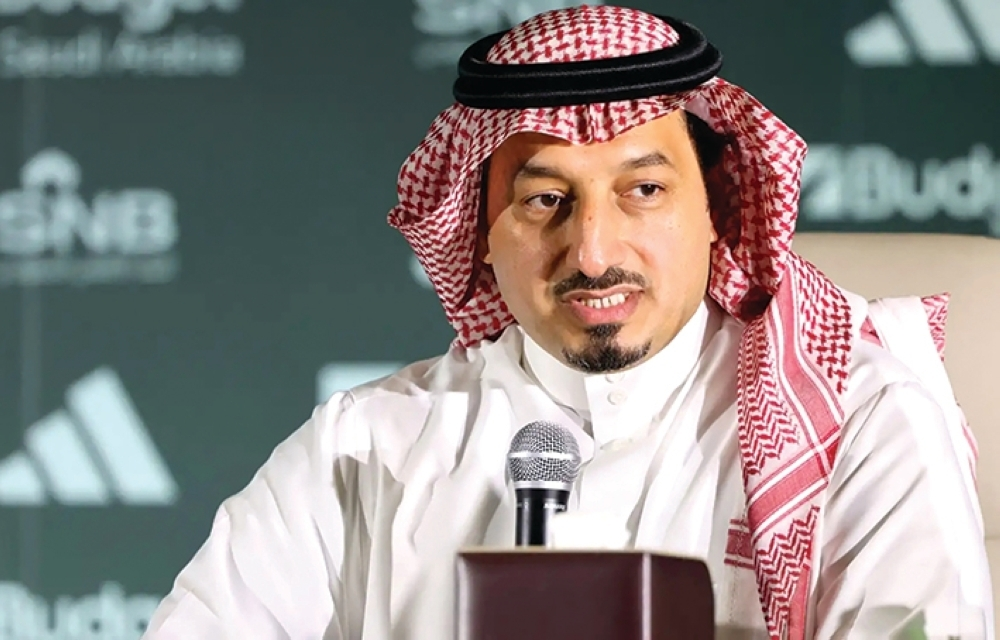
Professor Yasser Al-Mishal, President of the Saudi Arabian Football Federation, explained the reasons that led to the controversy surrounding the scheduling of the King's Cup semi-final matches, stressing that the current football season is witnessing an unprecedented congestion and overlap in matches as a result of the multiple participations of Saudi clubs at the local and continental levels.
In media statements, Al-Mishal responded to criticism regarding the possibility of holding matches during the last ten days of Ramadan, saying, “I hope that fans and followers will suggest another day.” He added, “None of us wanted to play any matches during the last ten days of Ramadan, but the congested season and the scheduling of matches in the AFC Champions League have forced us to do so.” These statements reflect the magnitude of the challenge the federation faces in balancing the calendar to meet the demands of all competitions without impacting the clubs or the spiritual atmosphere of the holy month.
The context of the exceptional season for Saudi football
This controversy comes amidst a historic season for Saudi football, which has seen the influx of major international stars to the Saudi Professional League, intensifying competition and raising media and fan interest. This significant development has been accompanied by an increase in the number of important matches for the top clubs, who are competing on multiple fronts, including the Saudi Professional League, the King's Cup, the Saudi Super Cup, and the mandatory and crucial participation in the AFC Champions League, a strategic objective for both the clubs and the federation to enhance the standing of Saudi football on the continental stage.
The importance of the King's Cup and the impact of match pressure
The King's Cup is the most prestigious and oldest domestic tournament, holding special significance for Saudi clubs and fans. Reaching its advanced stages is a major achievement. The congested schedule not only impacts organization but also directly affects players, increasing physical and mental fatigue and raising the risk of injuries. This places a constant challenge on coaching staff to rotate players and maintain their fitness. Furthermore, holding crucial matches at this time affects the Saudi national team's preparations for international commitments, placing a responsibility on the federation to coordinate carefully to ensure no conflicts of interest and to achieve the Kingdom's national and sporting objectives.