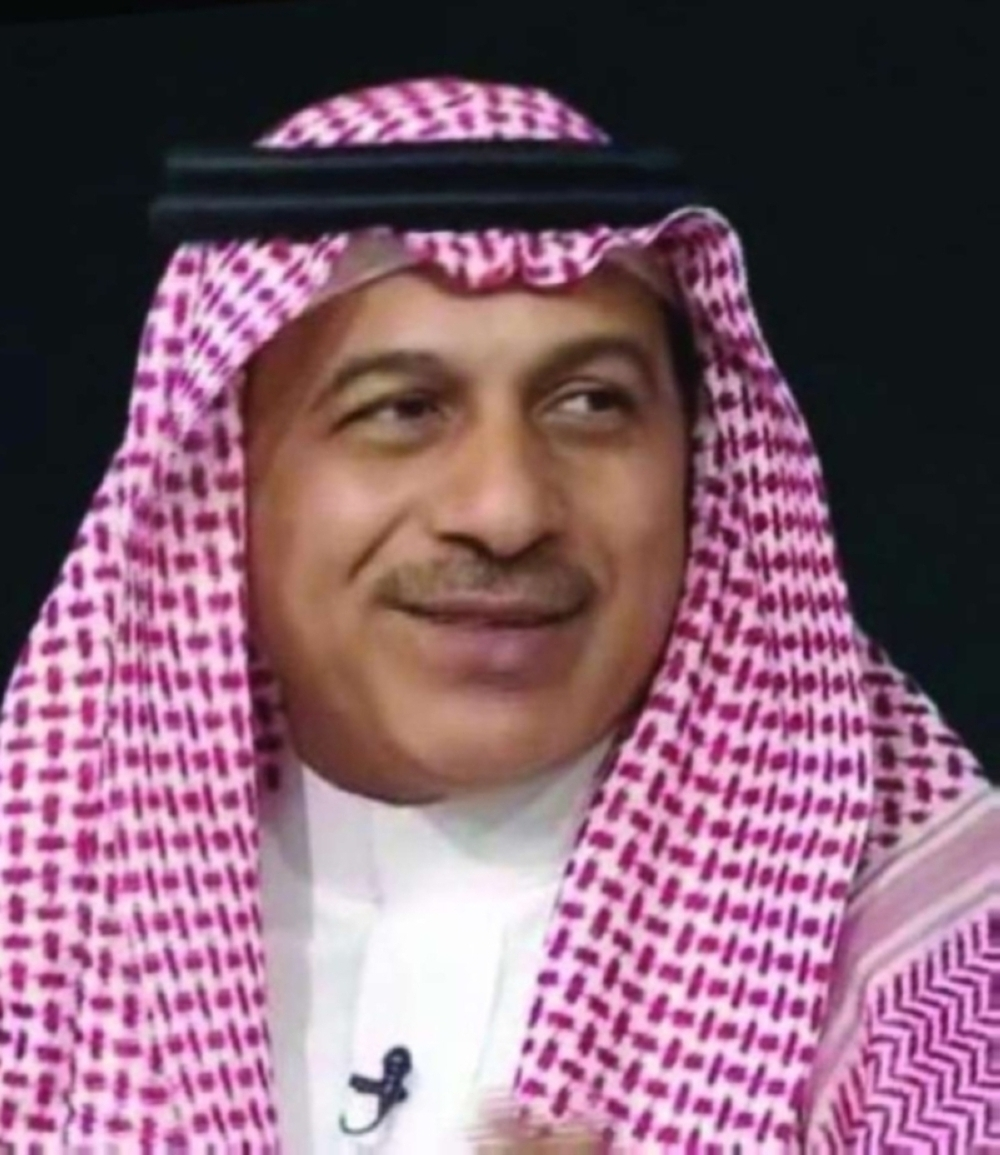
With the final four of the King's Cup semi-finals now complete, social media platforms, particularly the "X" platform, have been ablaze with heated debates and speculations that have gone far beyond mere sports fandom. A wave of tweets, presented as unquestionable fact, predicted an easy match for Al-Hilal against Al-Kholoud, a team from the First Division. This fueled the old narrative about Al-Hilal's "luck" or the existence of someone "fixing" the draw in their favor. These claims, which might be grudgingly accepted as part of the usual fan banter, take on a worrying dimension when they come from influential media figures whom their followers consider reliable sources of information and privy to behind-the-scenes dealings.
Historical background and importance of the King's Cup
The King's Cup, also known as the Custodian of the Two Holy Mosques Cup, is the most prestigious and oldest cup competition in Saudi Arabia, with its first edition held in 1957. The tournament holds immense historical and symbolic value for Saudi clubs, and winning it is considered as important as winning the league title. Throughout its history, the tournament has witnessed epic matches and unforgettable finals, cementing its status as the crown jewel of Saudi football. Reaching the semi-finals is itself an achievement, especially with the presence of Saudi football giants like Al-Hilal, Al-Ittihad, and Al-Ahli, which elevates the level of competition and makes every match feel like an early final.
Quarter-final results: Logical qualification and one surprise
The four teams qualified for the semi-finals after thrilling matches. Most of the big teams benefited from home advantage, with Al-Ahli needing penalties to overcome Al-Qadisiyah in a match where the latter dominated the first half. In a dramatic encounter, Al-Kholoud pulled off a surprise by eliminating Al-Khaleej after a high-scoring game. The following day, Al-Hilal and Al-Ittihad had little difficulty securing their qualification; Al-Hilal crushed Al-Fateh 4-0, while Al-Ittihad overcame Al-Shabab in a hard-fought match decided in the final minutes, confirming the two giants' strong presence in the tournament.
The actual draw... a highly anticipated classic and a challenge for Al-Ittihad
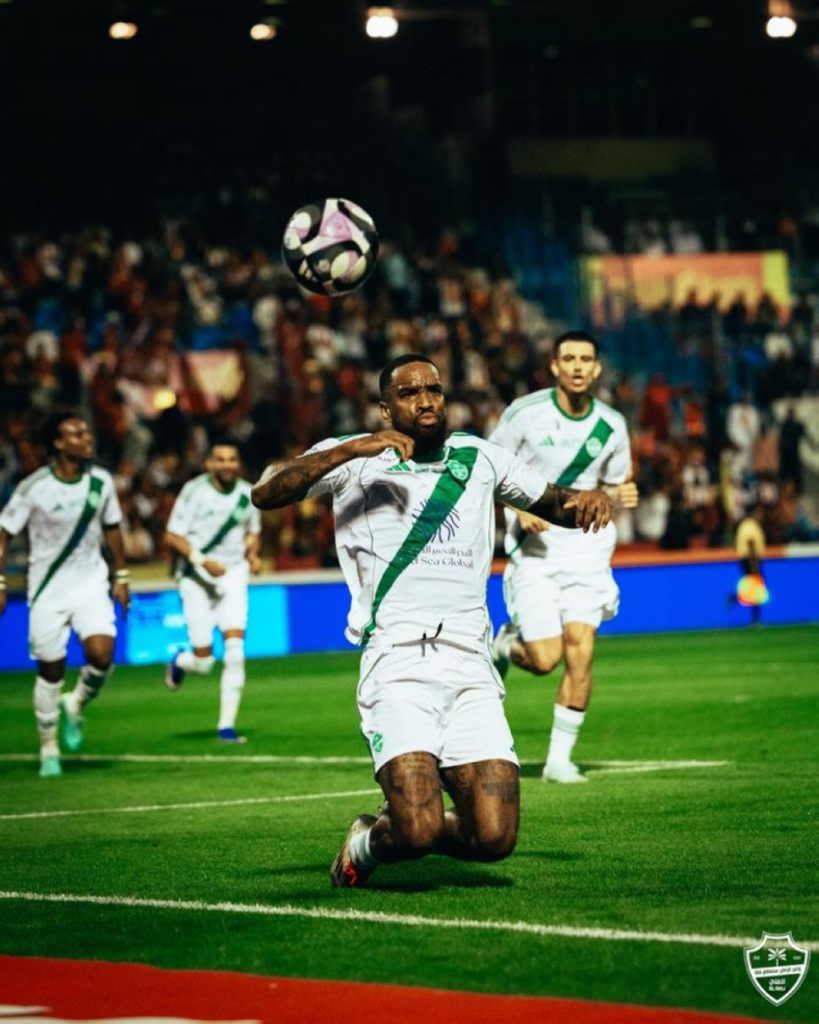
When the official draw took place, all previous predictions vanished. The results produced two heavyweight clashes: the first pitted Al-Ittihad against Al-Kholoud, and the second set up a fiery derby between Al-Hilal and their arch-rivals Al-Ahli in Jeddah. Remarkably, the tweets that had been directed at Al-Hilal, claiming they were ready for the match, disappeared, and the discussion took a complete turn. Suddenly, the narrative shifted to predicting Al-Hilal's likely elimination due to the difficulty of the match against Al-Ahli, coupled with their congested schedule leading up to the game. Meanwhile, Al-Ittihad, who would face Al-Kholoud, were now considered to have the easier path to the final.
Expected impact and importance of confrontations
This draw casts a long shadow over the season for all four clubs. For Al-Hilal and Al-Ahli, the derby is more than just a cup match; it's a battle for prestige and supremacy, and the result could have a significant psychological impact on both teams' performances for the rest of the season. For Al-Ittihad, the match against Al-Kholoud represents a golden opportunity to reach the final, but it's also a dangerous trap, as any slip-up against a first-division team would be disastrous. For Al-Kholoud, reaching this stage is a historic achievement, and the upcoming match is a chance to write a new chapter in their story as the tournament's dark horse. Ultimately, the draw has once again proven that the world of football, especially in knockout tournaments, is governed solely by the language of the pitch, leaving predictions as mere prelude to the storm.