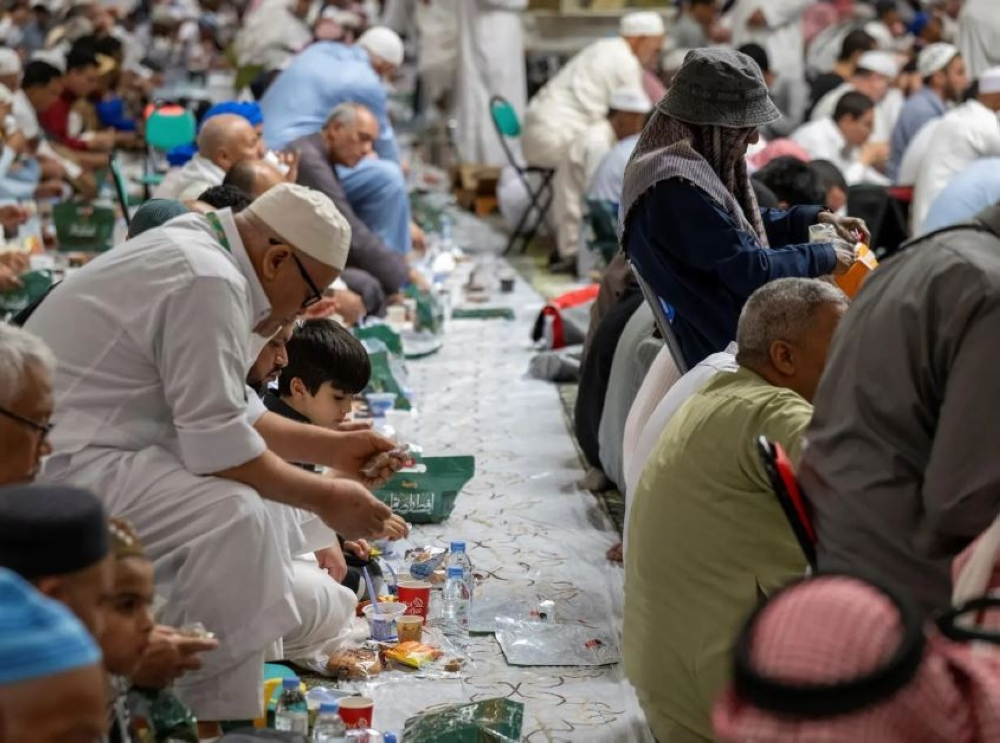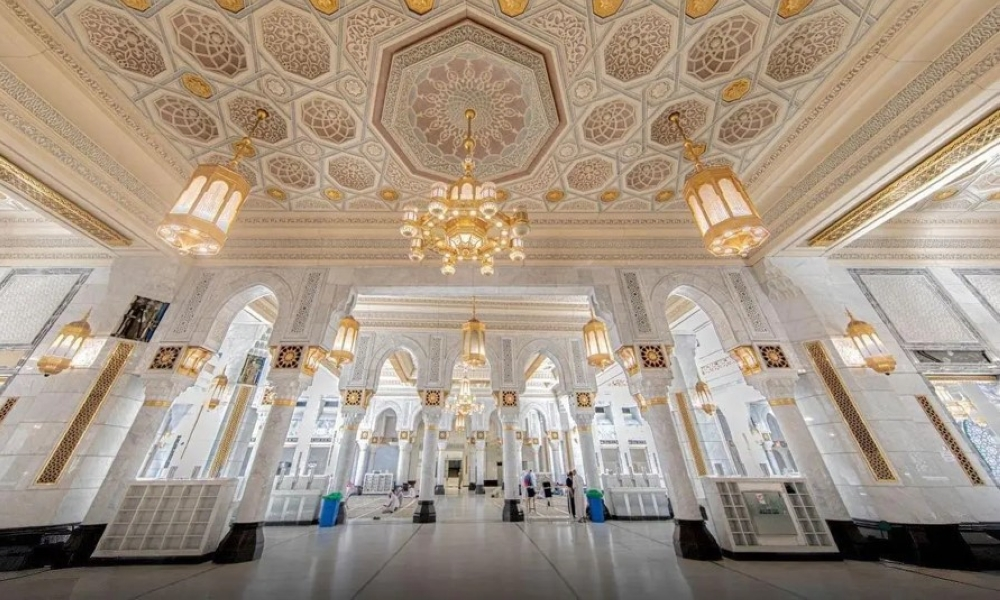
The Saudi Ministry of Interior announced the issuance of a comprehensive guide aimed at ensuring the safety and security of pilgrims and worshippers during the holy month of Ramadan 1447 AH. This step comes as part of the Kingdom's extensive annual preparations to receive millions of visitors who flock to Mecca to perform Umrah. The new procedures aim to facilitate their spiritual journey and ensure they can perform their rituals and prayers in an atmosphere of peace and ease.
General context and importance of Ramadan Umrah
The Umrah pilgrimage during Ramadan holds special significance for Muslims worldwide, making it the peak season that sees millions flock to the Grand Mosque in Mecca. Over the decades, Saudi Arabia has developed extensive expertise in crowd management and logistical organization for these major religious events. These security and organizational plans are an integral part of its responsibility as custodian of the Two Holy Mosques and align with the goals of Vision 2030, which prioritizes enhancing the experience of pilgrims by providing advanced infrastructure and high-quality services.
Details of the new guidelines and their impact
The guidelines issued by the Ministry of Interior focus on several key areas to ensure smooth traffic flow and reduce congestion in the central area surrounding the Holy Mosque. Among the most prominent of these guidelines are:
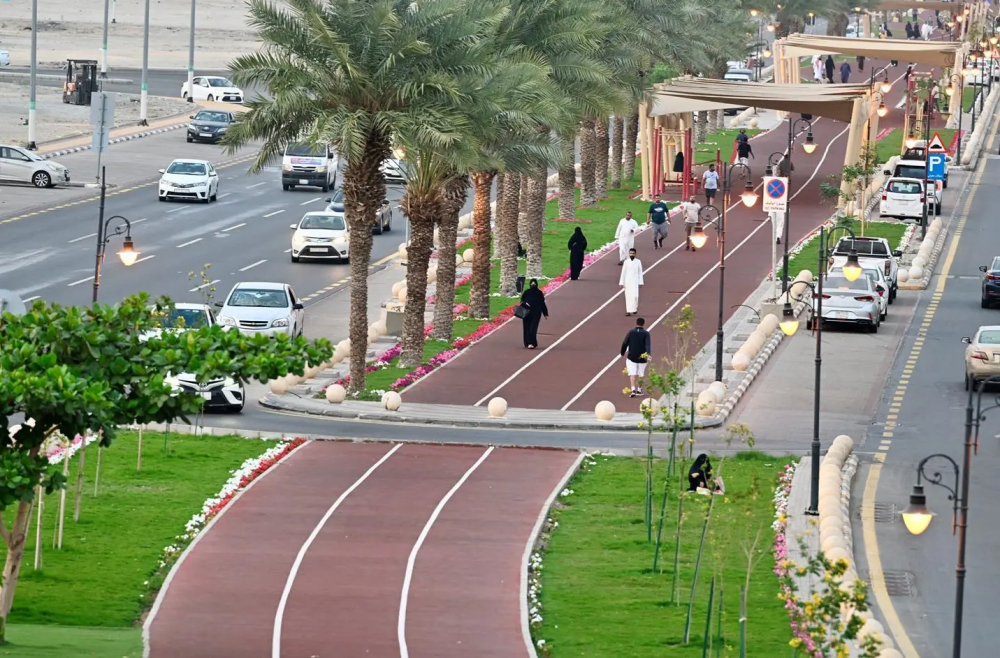
- Motorcycles and bicycles banned: A ban has been imposed on the use of all types of bicycles in and around the Grand Mosque in Mecca and its courtyards. This measure aims to protect pedestrians, who constitute the largest crowd in this area, and to prevent any accidents that could obstruct emergency traffic or cause injuries among pilgrims.
- Encouraging the use of public transportation: The guide strongly urges the use of available public transportation options, such as shuttle buses, the Haramain High-Speed Railway, and licensed taxis. Ample parking has been allocated at the entrances to Mecca to encourage visitors to park their private vehicles and use buses to reach the Grand Mosque, significantly reducing traffic congestion.
- Following the directional signs: The directional system has been enhanced with clear signs on the roads, at the gates of the Haram and in its courtyards, to guide pilgrims to the designated entry and exit routes, and to identify prayer areas and service facilities, which contributes to organizing the flow of crowds and preventing overcrowding.
Importance and expected impact
Locally, these measures contribute to organizing the daily lives of Makkah residents during the holy month and ensure the continued efficient operation of essential services. Regionally and internationally, these well-considered plans reflect positively on the Kingdom's ability to manage the world's largest religious gatherings efficiently and professionally, thus enhancing international confidence and reassuring Muslims worldwide that their safety and well-being are the top priority. These guidelines are expected to contribute to a successful and safe Umrah season, allowing pilgrims to fully focus on their worship in a well-organized and spiritually enriching environment.