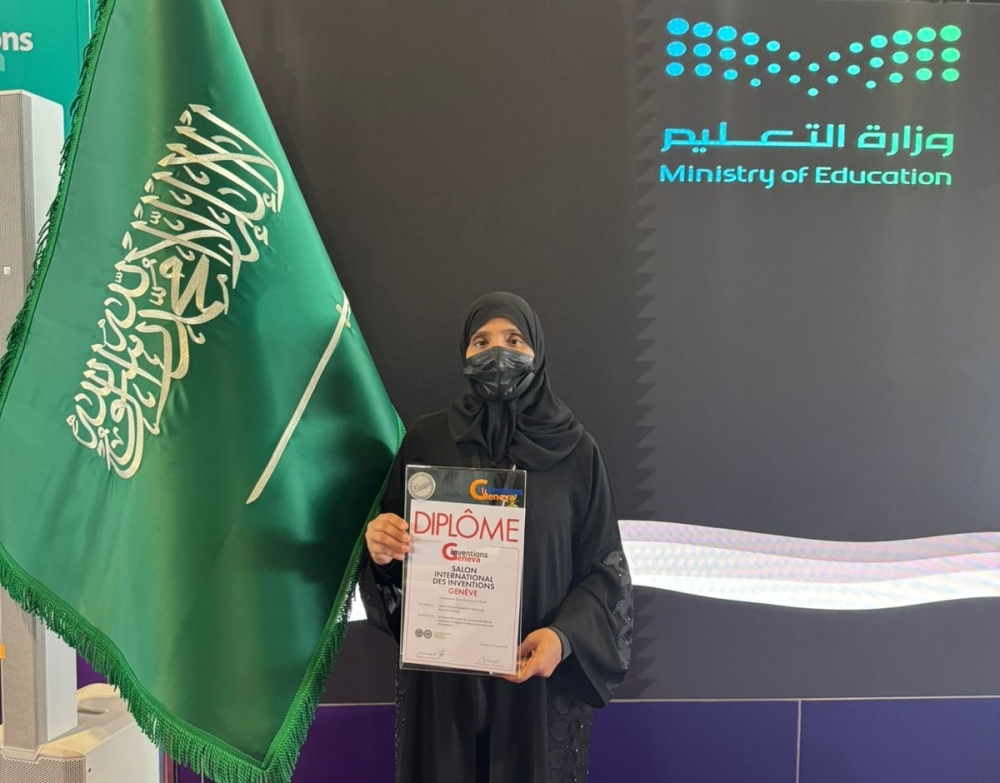
In a pioneering step reflecting the rapid development of scientific and technological research in the Kingdom, a Saudi innovation to combat oil pollution as one of the most important modern scientific projects. Jeddah University has secured its prestigious place to participate in the 51st Geneva International Exhibition of Inventions in 2026. This achievement is led by a specialized research team from the Chemistry Department, presenting an innovative scientific solution aimed at addressing one of the most complex contemporary environmental challenges: oil spills. This will enhance efforts to protect the environment and ensure the sustainability of its natural resources.
The historical roots of environmental challenges and the need for sustainable solutions
Historically, oil spills have posed a persistent threat to both marine and terrestrial ecosystems. Since the dawn of the Industrial Revolution and the world's heavy reliance on maritime oil transport, oceans and seas have witnessed catastrophic spills that have devastated vast areas of coral reefs and marine life. In the Arabian Gulf and the Red Sea, two of the world's most important energy transit routes, there has always been a critical need for advanced and rapid response technologies to address these incidents. Hence, the importance of developing local technologies capable of effectively managing such disasters, rather than relying solely on imported solutions that may not always be suitable for the region's specific geography and climate.
Investing in Minds: Details of the Jeddah University Research Project
This distinguished participation, as part of the Saudi Ministry of Education delegation, reflects an ambitious national initiative that fosters investment in human capital and innovation, focusing on transforming research outputs into practical solutions that serve society and support the knowledge economy. The presented innovation is a scientific project offering an applied vision for addressing oil spills from an integrated logistical perspective, aiming to enhance environmental response efficiency and minimize negative impacts on marine and terrestrial ecosystems.
The research team comprised a select group of national experts, including Dr. Ahlam Ibrahim Al-Salmi, Associate Professor in the Chemistry Department, and Dr. Fatima Al-Salmi, Assistant Professor of Physical Chemistry, with the active participation of Al-Anoud Al-Nashri, a Master's student in General Chemistry. This team represents a model that reflects the integration of academic expertise and young talent in the research and development process.
The strategic dimensions of any Saudi innovation to combat oil pollution
The impact of this achievement extends beyond the academic sphere, carrying profound strategic dimensions. Domestically, any Saudi innovation aimed at combating oil pollution with the goals of Saudi Vision 2030 and the Saudi Green Initiative, which seeks to protect coastlines, particularly the Red Sea, a region witnessing massive tourism and environmental projects. Regionally, this innovation offers a model that can be exported to neighboring countries to protect the waters of the Arabian Gulf from pollution. Internationally, the participation of this innovation at the Geneva exhibition positions the Kingdom as a key player in achieving the United Nations Sustainable Development Goals and demonstrates the capacity of Saudi academic institutions to produce innovative solutions that address global challenges.
Strengthening industrial partnerships and developing national competencies
This innovation is based on a research project officially funded by Jeddah University and supported through the Sustainable Partnerships with Industry program, with the Ministry of Energy serving as the primary industrial partner. This collaboration clearly underscores the importance of integration between academic institutions and vital sectors to ensure that research is directed towards real and applicable needs.
The importance of participating in the Geneva International Exhibition of Inventions extends beyond simply showcasing scientific products. It also fosters knowledge exchange and builds global research and academic collaboration networks. Team members emphasized that they witnessed a high level of support during their participation in technology transfer and connecting innovations with investors, representing a pivotal step towards transforming research ideas into impactful economic projects. This was achieved under the official patronage and guidance of relevant authorities, reflecting the institutional commitment to strengthening the Kingdom's presence in international scientific forums.
In conclusion, between scientific ambition and practical application, Jeddah University continues to solidify its role as a driver of knowledge and innovation. At a time when the need for innovative solutions to address environmental challenges is accelerating, this innovation represents a promising step towards a more sustainable future, confidently and efficiently led by national minds.