The Saudi Industrial Investment Group (SIIG), a leading company in the Saudi petrochemical sector, announced that it recorded a net loss of 150 million riyals in the fourth quarter of 2023, compared to a net profit of 11 million riyals in the same period of 2022. These results reflect the challenges facing the global petrochemical sector and their impact on key market players.
General context and historical background
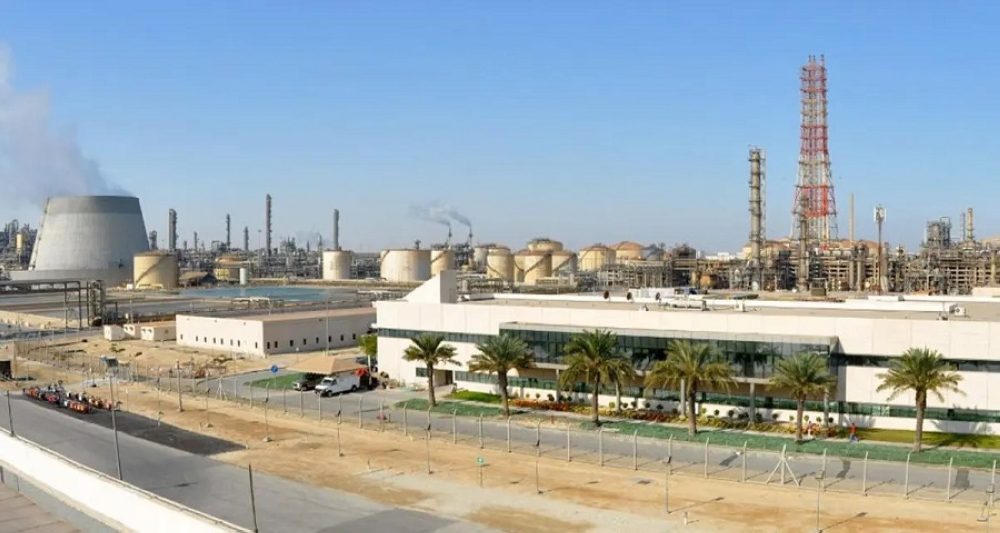
The Saudi Industrial Investment Group (SIIG) was established in 1995 as a Saudi joint-stock company and has played a pivotal role in developing the Kingdom's downstream industries, in line with the goals of Saudi Vision 2030 aimed at diversifying the national economy. SIIG's strategy centers on investing in major industrial projects, most notably its strategic partnership with the American company Chevron Phillips through joint ventures such as Chevron Phillips Saudi Arabia (SCP) and the Saudi Polymers Company, which form the backbone of its production operations and profits.
Analysis of the causes of quarterly and annual losses
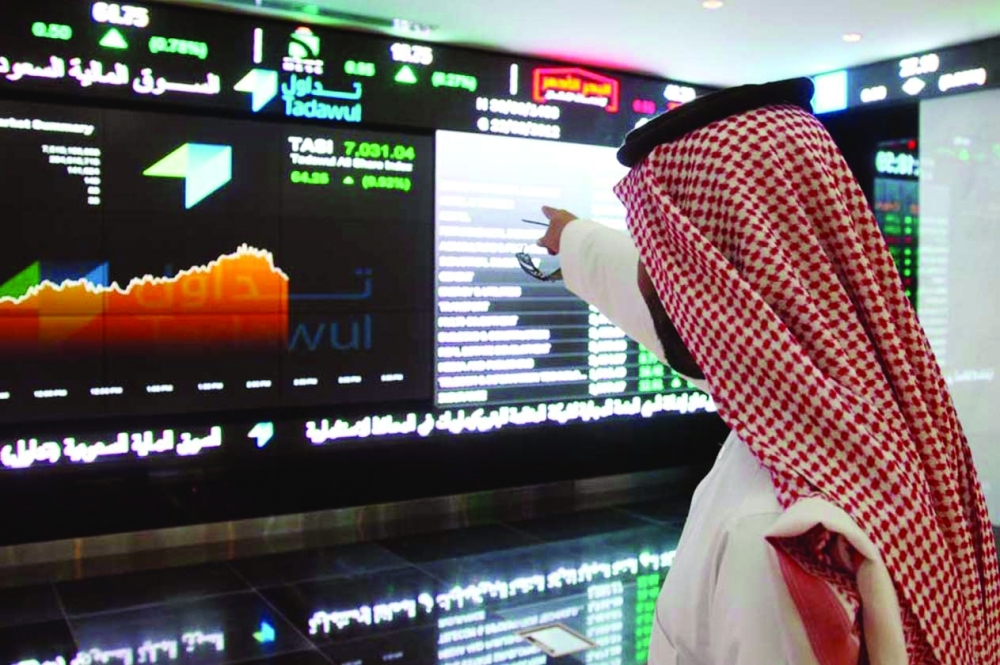
According to the company's statement published on the Saudi Stock Exchange (Tadawul), this shift in financial performance is primarily attributed to several interconnected factors. First, the group's share of profits from its joint ventures witnessed a significant decline. This is due to the drop in average selling prices of petrochemical products in global markets, a trend that prevailed throughout the year due to slowing global demand. Additionally, the scheduled maintenance shutdown of the Chevron Phillips Saudi Arabia project impacted production and sales volumes during the fourth quarter, further pressuring profit margins.
On another front, the company recorded a decrease in returns from Islamic financing due to a decline in available cash for investment and lower profit margins. General and administrative expenses also increased, which the company attributed to higher consulting costs related to its business development initiatives, indicating its efforts to strengthen its future strategy to mitigate market volatility.
Importance and expected impact
These results are particularly significant as they indicate the health of the petrochemical sector, a cornerstone of the Saudi economy and non-oil exports. Domestically, these losses could affect investor confidence in the sector's stock performance in the short term. Regionally and internationally, the Saudi group's results underscore the common challenges facing producers worldwide, from rising energy costs to price pressures stemming from intense competition and unfavorable global economic conditions.
Despite recording an annual loss for the entire year of 2023, the company took strategic steps to improve its financial structure and enhance value for shareholders. The reduction of capital and the purchase of treasury shares contributed to reducing the zakat base, which led to a decrease in the annual zakat expense from 41 million riyals in 2022 to 12 million riyals in 2023, which reflects prudent financial management under difficult circumstances.