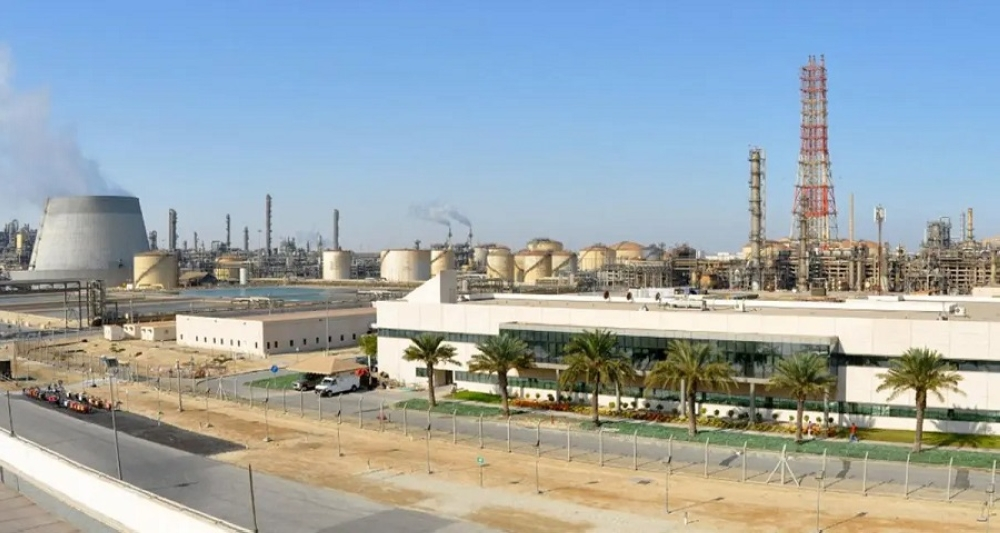
The financial markets witnessed a significant development with the announcement by the Saudi Industrial Investment Group of its 2025 financial results, revealing a shift to a loss of SAR 104 million. This marked decline contrasts sharply with the net profit of SAR 201 million achieved by the company in 2024. This financial shift reflects the economic and operational challenges the company faced during the past period, necessitating a thorough analysis of the factors influencing this performance.
Key factors behind the decline in financial performance
According to the official statement issued by the company and published on the Saudi Stock Exchange (Tadawul) website, these losses are primarily due to a combination of factors. Foremost among these is the significant decline in the group's share of net profits from its joint venture investments, specifically the S-Chem projects, during the current year. This decline resulted from a decrease in the average selling prices of petrochemical products in the markets, coupled with rising energy costs and prices. Despite these price challenges, the statement indicated a positive improvement in sales volumes during 2025, but this was insufficient to offset the shortfall caused by the price decline.
In addition, the financial results were affected by a decrease in returns generated from Islamic financing, which is directly attributed to a decline in the company's available cash liquidity and a decrease in profit rates in the financial markets.
Zakat settlements and capital restructuring
One of the significant financial aspects that impacted the financial statements was the issue of zakat provisions. The company reversed zakat provisions from previous years amounting to SAR 42 million this year, compared to a reversal of SAR 99 million last year. It is worth noting that the zakat expense for 2025 decreased to only SAR 12 million, compared to SAR 41 million in 2024.
This decrease in zakat expense is attributed to strategic steps taken by management, including a reduction in the group's capital by SAR 755 million and the purchase of treasury shares worth SAR 200 million. The company also distributed cash dividends of SAR 167 million to shareholders, all of which contributed significantly to reducing the company's zakat base.
The Saudi Industrial Investment Group's journey in the petrochemical sector
The Saudi Industrial Investment Group (SIIG) is a cornerstone of the petrochemical sector in Saudi Arabia. Since its inception, SIIG has played a vital role in developing the Kingdom's industrial base, aligning with national economic visions aimed at diversifying income sources and reducing reliance on crude oil. Historically, the company has successfully forged strong strategic partnerships with global entities, enabling it to transfer technology and localize advanced industries. The petrochemical sector is inherently cyclical and highly susceptible to global economic fluctuations, whether in feedstock and energy prices or in global demand for finished products, which explains the volatility in financial results from year to year.
The repercussions of the financial results on the economic and investment landscape
The announcement of losses carries significant implications that extend beyond the company itself, impacting the broader investment landscape. Locally, these results reflect the magnitude of the challenges facing the petrochemical industry, particularly in managing rising energy costs and adapting to economic shifts. This situation may prompt similar companies to reassess their operational strategies and seek ways to enhance efficiency and reduce expenses.
At the regional and international levels, the decline in average selling prices of petrochemical products underscores the slowdown in some key global markets, impacting the profit margins of exporting companies. However, the improvement in sales volumes indicates continued underlying demand, offering hope for a future recovery in profits once energy prices stabilize and global supply and demand dynamics improve. The ability of major companies to absorb these shocks and restructure their financial obligations is an indicator of corporate resilience in the face of challenging economic cycles.