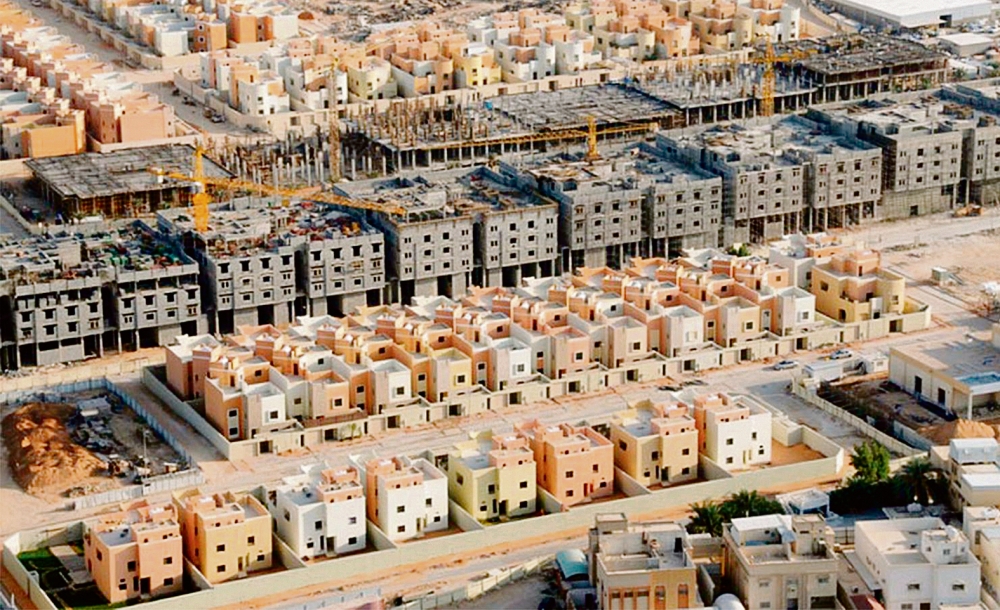
A strategic step towards a reliable real estate market
In a significant regulatory move aimed at enhancing transparency and stability in the Saudi real estate sector, the General Authority for Real Estate has approved a package of fundamental amendments to the executive regulations of the Real Estate Registration System. These amendments, which grant real estate registration deeds absolute legal validity within just one year of the publication of the lists, represent a qualitative leap in the mechanisms for documenting real estate ownership, aligning with the objectives of the Kingdom's Vision 2030 to develop the real estate sector and increase its investment appeal.
Historical context and digital transformation in the real estate sector
These reforms are part of the Kingdom’s ongoing efforts to modernize its legislative and regulatory infrastructure. Historically, the real estate documentation system relied on paper deeds linked to the names of owners, which sometimes led to disputes over boundaries and overlapping ownership. The real estate registration system, which the Kingdom has begun to implement gradually, represents a radical shift towards a system that uses the property itself as the primary registration unit. A “real estate record” is allocated to each property unit, containing all its precise physical and legal data, including location, area, boundaries, and any associated rights or obligations. This transformation aims not only at digitization but also at establishing a solid foundation of legal certainty that protects the rights of both owners and investors.
Key features of the new amendments
The new amendments included several key areas to improve the efficiency of procedures and enhance legal protection:
- Absolute legal force within one year: The regulations set a clear timeframe for the initial real estate registration to acquire absolute legal force, beginning one year after the publication of the "Lists of Real Estate Registered in Real Estate." This period allows sufficient opportunity for any interested party to file an objection, after which the deed becomes final and unchallengeable except in cases of forgery.
- Streamlining procedures: A precise definition of “material errors” was introduced, defining them as unintentional mistakes that do not affect the substance of the right, thus facilitating their correction without bureaucratic complications. Furthermore, the Higher Committee for Real Estate Registration was abolished, in a move to expedite executive decision-making.
- Direct powers for the courts: The amendments granted the competent courts the power to directly record in the real estate register lawsuits related to the property, thus providing immediate protection for disputed rights and preventing any actions that may harm the parties to the dispute.
- Accuracy of announcements and preservation of rights: The procedures stressed the need for real estate zoning announcements to be accurate and comprehensive, obligating the authority to invite owners and rights holders to submit their applications within a specified period to ensure that no right is overlooked.
Expected impact on the national economy and foreign investment
These amendments are expected to have a profound positive impact across various sectors. Domestically , they will significantly reduce real estate disputes, boost the confidence of citizens and local investors in the market, and facilitate real estate financing thanks to the absolute transparency of ownership. Regionally and internationally , this step positions Saudi Arabia among the leading countries that implement the highest international standards in real estate registration. A reliable and transparent registration system is one of the most important factors foreign investors consider when making investment decisions, which will enhance the flow of foreign direct investment into the Saudi real estate sector and support major projects associated with Vision 2030.