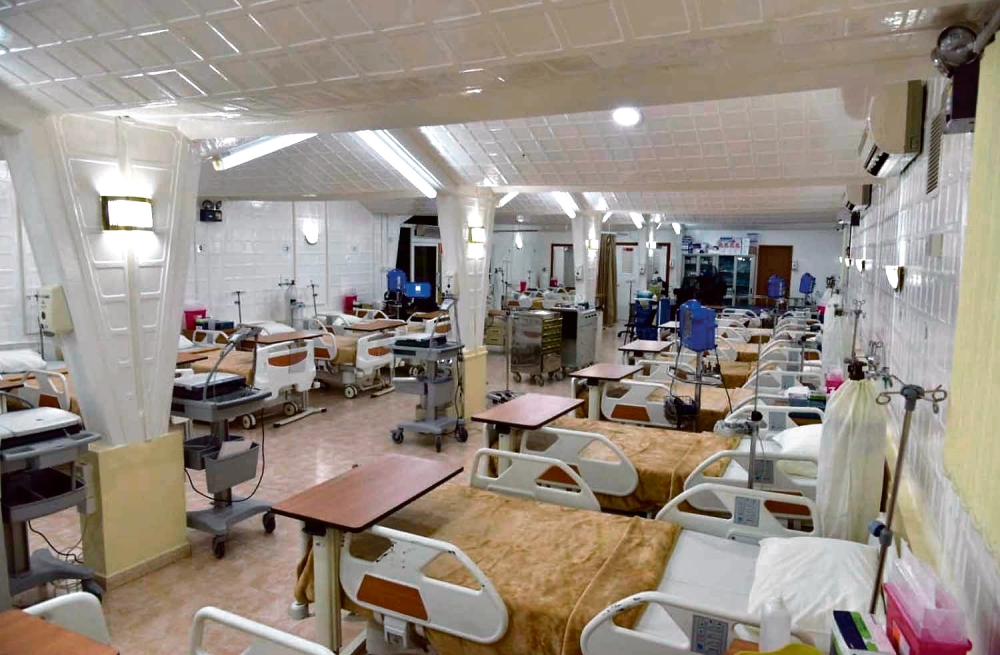
In a strategic move reflecting the rapid development of healthcare infrastructure in the Kingdom of Saudi Arabia, the Ministry of Health revealed in its latest report for 2024 that the capacity of hospitals and health centers has reached 46,905 beds. This achievement is part of realizing the goals of the Kingdom's Vision 2030, which prioritizes the health of citizens and residents and aims to build an integrated and sustainable healthcare system capable of meeting current and future challenges.
Historical background and context of health transformation
This expansion was not a sudden occurrence, but rather the result of long-term plans that began with the launch of the Health Sector Transformation Program, one of the most important programs of Vision 2030. The program aims to completely restructure the healthcare system, shifting from a treatment-based model to one focused on prevention and public health. The past few years have witnessed massive investments in building new hospitals, expanding existing facilities, equipping them with the latest medical technologies, and implementing the health cluster model, which aims to increase operational efficiency and improve the quality of services provided in each region.
Strategic distribution reflecting health priorities
Official figures reveal a well-planned distribution of bed capacity covering all vital specialties. Internal medicine departments topped the list with a total of 11,461 beds, underscoring their importance as the first line of defense in managing common and chronic diseases. Surgery followed with 10,458 beds, reflecting a high level of preparedness for complex surgical procedures and reducing waiting lists, which positively impacts patients' lives. An additional 4,998 beds were allocated to obstetrics and gynecology departments, and 4,756 beds to pediatrics, ensuring comprehensive care for both mother and child.
High readiness for emergencies and crises
The Ministry of Health has given exceptional attention to critical and emergency cases, with 6,908 intensive care unit beds, representing approximately 14.7% of the total. This high percentage places the Kingdom among the leading countries in terms of its ability to respond rapidly to health crises, such as epidemics and natural disasters. Additionally, 2,917 beds have been allocated to isolation wards (6.2%) and 4,843 beds to psychiatric and neurological departments, recognizing the importance of mental health as an integral part of overall health.
Geographical distribution and its impact on development
Geographically, the Riyadh Health Cluster accounted for the largest share with 4,000 beds, commensurate with the capital's population density and its status as a center for advanced medical services. The Eastern Province came in second with 3,456 beds, solidifying its position as an industrial and economic hub requiring a robust healthcare infrastructure. The distribution was not limited to major cities but extended to all regions to ensure equitable access to healthcare services, with the Asir Health Cluster ranking third (3,400 beds), followed by Qassim (3,324 beds) and Madinah (3,118 beds). This balanced distribution contributes to comprehensive development and reduces the need for residents to travel abroad for treatment.
Importance and future impact
Increasing bed capacity to this extent is not only important for improving the quality of healthcare locally, but also has regional and international implications. Locally, it contributes to raising life expectancy and improving public health indicators. Regionally, it strengthens the Kingdom's position as a leading destination for medical tourism in the Middle East. Internationally, these figures demonstrate the strength and resilience of the Saudi healthcare system and its ability to contribute effectively to the global health security system.