The anniversary of the pledge of allegiance to His Royal Highness Prince Mohammed bin Salman bin Abdulaziz as Crown Prince is renewed in the hearts of Saudis, marking a significant national milestone in the journey of development and growth. Historically, the Kingdom has always strived to develop its vital sectors, but with the launch of Saudi Vision 2030, the country has witnessed a radical and pivotal transformation that has reshaped the features of the future. Among the most prominent of these transformations is what we are witnessing today in achieving leadership in healthcare in the Kingdom , as it has transformed from an importer of expertise to a global model and a source of medical inspiration, built on a diversified economy and a thriving society. As the years pass, the anniversary of the pledge of allegiance has become an opportunity to reflect on the rapid achievements that demonstrate the magnitude of the transformation led by His Royal Highness the Crown Prince to ensure a sustainable future for generations to come.
The pillars of health leadership in the Kingdom and its regional and international impact
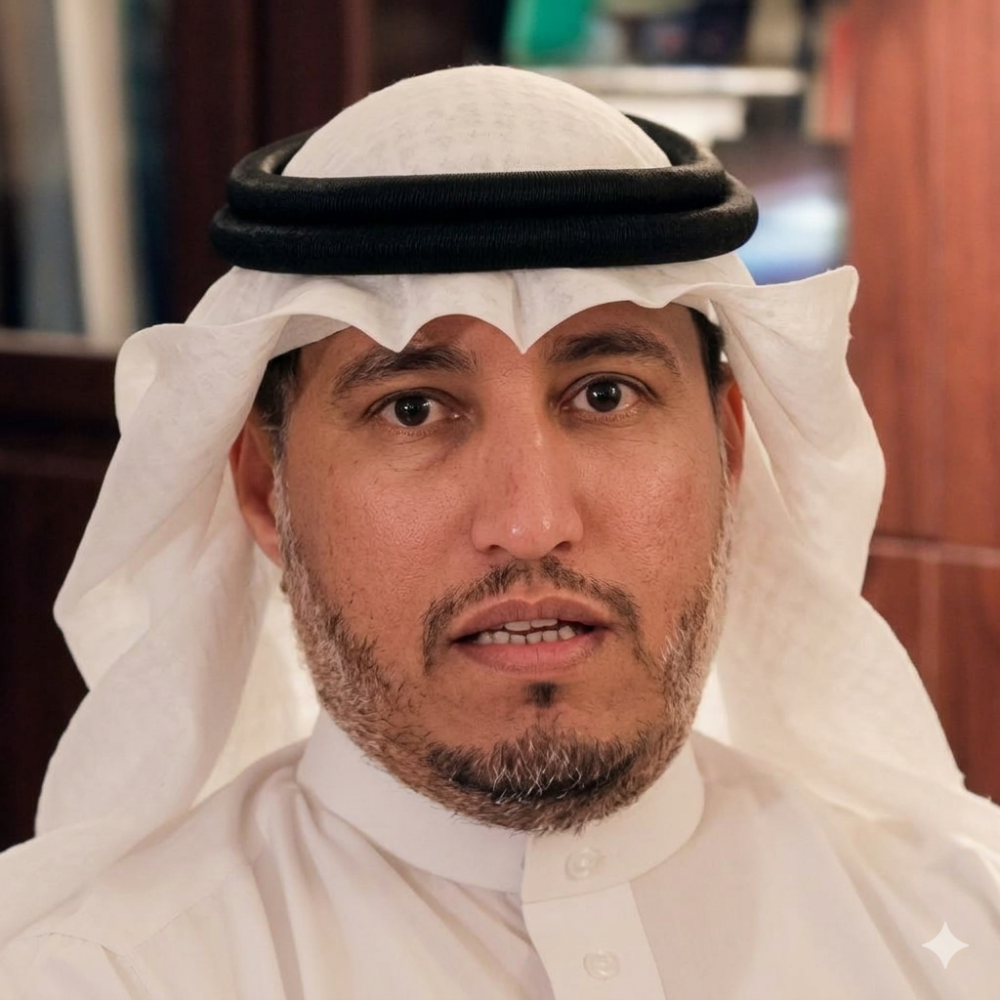
Experts confirmed to Al-Youm that this anniversary presents an opportunity to review the national transformation journey. In this context, Dr. Faisal Abdulrahim Shaheen, a health expert and senior consultant in nephrology, explained that the anniversary of the Crown Prince's pledge of allegiance represents a historical phase of renewal. He added, "The pledge of allegiance, in its national context, expresses the depth of the relationship between the leadership and the people, and embodies a continuous journey of work and achievement.".
He explained that the past years have witnessed the launch of national initiatives and major development projects that have contributed to strengthening the economy and raising the quality of life. This rapid development has not only had a local impact but has also enhanced the Kingdom's regional and international standing, making it a trusted destination for healthcare, thus highlighting the profound regional and international impact of modern Saudi health policies.
Separating conjoined twins: A humanitarian message that transcends continents
Internationally, the Saudi program for separating conjoined twins stands out as one of the most significant achievements that has solidified the Kingdom's soft power. Dr. Mohammed Bakr Qandieh, a consultant in family and community medicine, considers this program a remarkable medical and humanitarian accomplishment, having become a global model for delicate and complex surgeries.
He explained that the Kingdom's success in performing these surgeries on children from around the world reflects the high competence of its medical staff and advanced equipment. He emphasized that this program embodies the Kingdom's humanitarian role, adding, "The Kingdom has become a leading medical destination in the region thanks to its distinguished expertise and modern technologies, reflecting the ambitious vision of building an integrated healthcare system that places human beings at the heart of development and enhances the quality of life.".
Advanced infrastructure that meets the latest global standards
Locally, the healthcare sector has witnessed rapid development, positively impacting both citizens and residents. Dr. Nabil Mohammed Brasha, a consultant in infertility and IVF at King Abdulaziz Medical City of the National Guard in Jeddah, explains: “The healthcare sector has witnessed development that reflects the high level of attention given by the leadership, with the implementation of healthcare projects that have contributed to raising the standard of medical services.”.
He noted that health transformation programs have strengthened the development of a preventative healthcare system and expanded the range of specialized services such as cardiac surgery and organ transplantation. For his part, dermatologist Dr. Haitham Mahmoud Shawli affirmed that the medical renaissance has encompassed infrastructure development and scientific research.
He explained that the expansion in building medical cities and specialized centers has reduced the need to travel abroad for treatment, which has raised the quality of care provided to citizens and made Saudi facilities comparable to their counterparts in developed countries.
Digital transformation and the national economy: pillars of a sustainable future
The impact wasn't limited to the purely medical field; it extended to the national economy and technological innovation. Social consultant Talal Mohammed Al-Nashri says, "The launch of Vision 2030 represents one of the most important strategic transformations, as it established a developmental framework for diversifying the economy and supporting investment in new sectors.".
He pointed out that the vision focused on investing in Saudi citizens as a fundamental pillar. Social worker Marwa Mohammed Shahini agrees with this assessment, emphasizing that digital transformation is the most prominent feature of this development. She says, “The rapid digital transformation in healthcare services has become a cornerstone in developing the medical system.”.
She explained that employing modern technologies, artificial intelligence, telemedicine, and electronic medical records has facilitated patient access to services and enhanced the efficiency of facility management. She concluded by stating that these steps reflect a strategic direction that contributes to achieving the Vision's objectives and enhances the quality of life in Saudi society, thus ensuring the sustainability of these achievements for future generations.