The Saudi Ministry of Health released its annual report on the healthcare system for 2025, revealing significant transformative achievements that reflect the rapid pace of development in the health sector, most notably a 50% reduction in deaths from infectious diseases. These impressive results are the culmination of efforts undertaken within the Health Sector Transformation Program, a key program of the Kingdom's Vision 2030, which aims to build a vibrant society where individuals enjoy good health and a high quality of life.
Historical background and context of health transformation
Saudi Arabia’s Vision 2030, launched in 2016, is an ambitious roadmap for restructuring the Saudi economy and society. At the heart of this vision lies the Health Sector Transformation Program, which aims to enhance public health and prevention, improve access to healthcare services, and increase the sector’s efficiency and sustainability. Historically, the Kingdom has relied on a robust, state-run healthcare system. With the launch of Vision 2030, the focus shifted to engaging the private sector, implementing modern care models, and moving from a treatment-based to a preventative approach, paving the way for these achievements.
Details of achievements and their impact on quality of life
The achievement was not limited to combating infectious diseases; it encompassed multiple aspects of public health. The report indicated a 40% decrease in deaths from non-communicable (chronic) diseases, a crucial indicator reflecting the success of awareness campaigns promoting healthy lifestyles and combating diseases such as diabetes and heart disease. Road traffic fatalities also recorded a historic 60% decrease, a result of integrated government efforts under the principle of "health in all policies." These combined figures contributed to raising the average life expectancy in the Kingdom to 79.7 years, placing it among the world's leading countries in terms of healthcare.
Local and international significance of the achievements
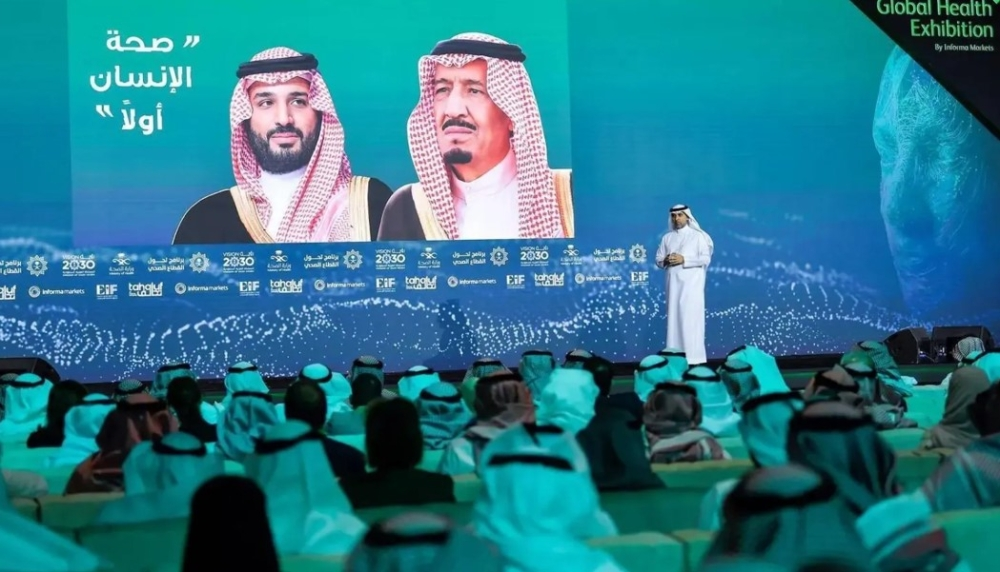
Domestically, these achievements translate into a direct improvement in the quality of life for citizens and residents, and a reduced burden on hospitals and health centers. Regionally and internationally, these results solidify the Kingdom’s position as a leading model in healthcare transformation. Saudi Arabia’s success in significantly reducing mortality rates offers inspiring lessons for other countries striving to achieve the UN Sustainable Development Goals, particularly Goal 3 on good health and well-being. Furthermore, the success of the Global Health Forum, which resulted in investments exceeding 124 billion riyals and the designation of 18 Saudi cities as Healthy Cities by the World Health Organization, reinforces the Kingdom’s role as a pivotal player on the global health stage.
The report affirms the Ministry of Health’s commitment to its supervisory and regulatory role to ensure the building of a world-class health system that promotes prevention and quality of life, and consolidates the efficiency and sustainability of services, in service of the goals of an “ambitious nation” and a “prosperous economy” within Vision 2030.