A new regulatory step for the Saudi aviation sector
The General Authority of Civil Aviation (GACA) in Saudi Arabia announced significant amendments to the economic regulations for ground handling and air cargo services, imposing new fees for issuing licenses for "linear maintenance" aircraft at the Kingdom's airports. This important regulatory step aims to organize this vital activity, raise operational safety standards, and keep pace with the rapid growth of the Saudi aviation sector.
General context and objectives of Vision 2030
This decision falls within a broader framework aligned with the objectives of the Kingdom’s Vision 2030 and the National Transport and Logistics Strategy, which aims to transform the Kingdom into a leading global logistics hub. With the significant expansion of airport infrastructure, the launch of new national carriers such as Saudia Airlines, and the increase in passenger capacity, it has become essential to establish clear regulatory frameworks that ensure all aviation-related services, including maintenance, are provided according to the highest international standards. Regulating linear maintenance activities aims to address a previously existing regulatory gap and prevent unauthorized practices that could compromise aviation safety.
What is “linear maintenance” and why is it important?
Linear maintenance is defined as a set of limited technical tasks performed on an aircraft while it is parked on the tarmac between flights, typically lasting no more than 24 hours. These tasks include routine inspections, troubleshooting and diagnosing minor faults, repairing minor defects, and replacing some easily accessible components. This type of maintenance is the first line of defense in ensuring the aircraft's airworthiness and passenger safety, as it directly contributes to maintaining flight schedules and minimizing delays caused by technical malfunctions.
Details of the new fees and their economic impact
According to the new amendments, the fee structure for issuing an economic license to conduct business for a period of five years has been determined, based on the airport category, as follows:
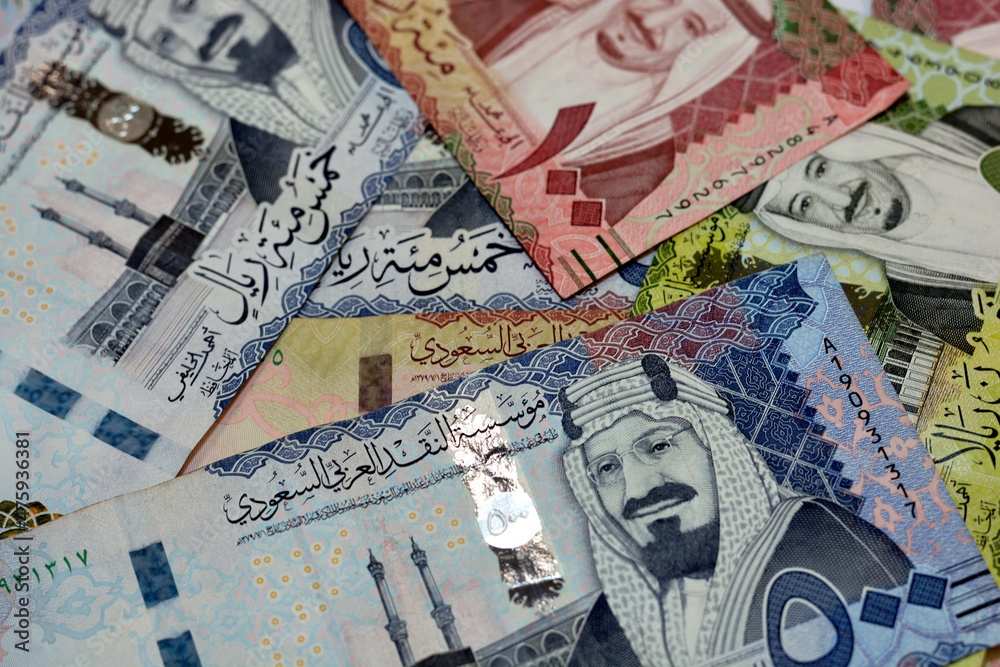
- 200,000 Saudi Riyals: For service providers at Category “A” airports (major international airports).
- 100,000 Saudi Riyals: For service providers at Category “B” airports.
- 50,000 Saudi Riyals: For service providers at Category “C” airports.
This regulation is expected to raise the level of professionalism among companies operating in this sector and promote fair competition based on quality and efficiency. While these fees may represent an additional cost for service providers, they will have a positive long-term impact by improving the quality of services provided to airlines, increasing the reliability of operational processes, and attracting quality investments in the aircraft maintenance sector, which benefits both the national economy and passengers.
Enhancing air traffic control and safety
Through this measure, the Authority aims to strengthen its oversight role to ensure all operators comply with internationally approved technical and operational requirements. Regulating this activity guarantees that companies providing line maintenance services possess the necessary technical expertise, qualified personnel, and equipment to perform their work safely. The Authority has released the draft amendments for public consultation via the “Survey” platform, a step designed to engage the private sector and stakeholders in the decision-making process, thus ensuring the efficient and transparent achievement of the desired objectives.