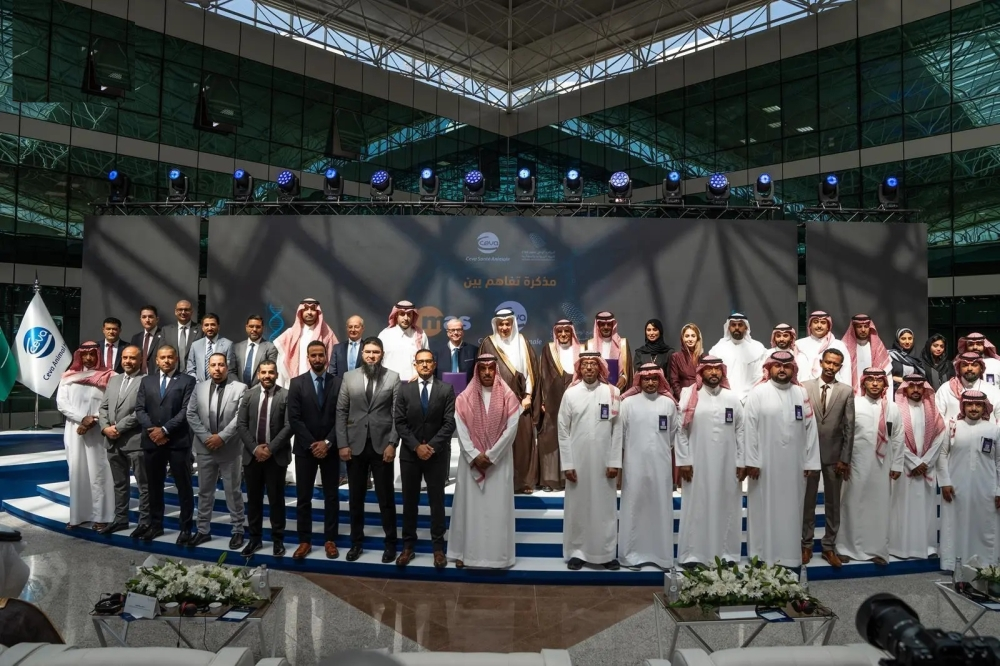
In a strategic move aimed at enhancing the Kingdom of Saudi Arabia’s food and biosecurity, and in line with the goals of Vision 2030 to diversify the economy and localize advanced industries, the National Livestock and Fisheries Development Program signed a memorandum of understanding with CEVA, a leading French company in the field of animal health. The signing ceremony was held under the patronage and in the presence of His Excellency the Minister of Environment, Water and Agriculture, Engineer Abdulrahman bin Abdulmohsen Al-Fadhli, and with the participation of several senior officials from the sector.
Background and dimensions of the agreement
This agreement comes within the framework of the Kingdom's ongoing efforts to reduce reliance on imports in vital sectors and build advanced national capabilities. Historically, the Kingdom has depended heavily on importing veterinary vaccines to meet the needs of its large and growing livestock sector. This partnership aims to change this reality by establishing an integrated industrial and research infrastructure capable of producing vaccines specifically designed to combat locally and regionally prevalent disease strains, thereby enhancing the efficiency of immunization programs and protecting livestock, which forms a cornerstone of national food security.
Key objectives of the Saudi-French partnership
The memorandum of understanding aims to achieve a set of ambitious goals that serve national interests in the short and long term, most notably:
- Localization of the industry: Transfer of technology and technical expertise from the French company “Ceva” to establish an advanced local industry for veterinary vaccines.
- Industrial expansion: Achieving high efficiency in mass production to fully meet the needs of the local and national market.
- Developing advanced technologies: Working on developing and updating messenger RNA (mRNA) vaccine technologies, which are among the latest technologies in the world of vaccines.
- Joint research and development: Launching joint research programs to develop vaccines for diseases of particular importance to the region, such as the Middle East Respiratory Syndrome (MERS-CoV) vaccine for camels, and the rabies vaccine.
Economic importance and expected impact
This collaboration has significant economic implications, aiming to meet the needs of the Kingdom's poultry vaccine market, currently estimated at around SAR 750 million. The company plans to cover approximately 30% of this market in its first phase, with initial investments reaching SAR 250 million. With the market projected to grow at a rate exceeding 10% annually, reaching SAR 1.25 billion by 2030, this partnership positions the Kingdom at the heart of a promising and sustainable industry.
Regionally, the Kingdom aspires to become a hub for exporting veterinary vaccines to the Gulf, the Middle East, and Africa, leveraging its strategic geographic location and newly developed industrial capabilities. Internationally, the development of vaccines for zoonotic diseases such as MERS-CoV strengthens the Kingdom's role in the global health system and contributes to preventing the spread of epidemics.
A pivotal role for the city of “Biotech Park”
Seva is the first international partner to join the Future Veterinary Biotech Park, launched by the program in Dhurma Governorate. This city represents the first integrated project of its kind globally in this field, and aims to be a benchmark center and platform for attracting quality investments, supporting national and emerging companies, and providing research and industrial infrastructure that will solidify the Kingdom's position as a global hub for biotechnology industries.