Active business activity as the founding day approaches
Markets and shopping centers across Saudi Arabia are witnessing a significant surge in commercial activity as the Kingdom's National Day approaches, celebrated annually on February 22nd. Traditional clothing such as the thobe, shemagh, and dagla are among the top sellers, as citizens and residents alike purchase them to participate in the nationwide celebrations, reflecting a deep pride in national identity and the rich history of the Saudi state, spanning over three centuries.
Historical background of the founding day
Today, Saudis celebrate the anniversary of the founding of the first Saudi state by Imam Muhammad bin Saud in 1727, with its capital in Diriyah. This day was declared a national holiday by royal decree in 2022, aiming to reinforce the connection to the historical roots of the state and celebrate its long journey of stability, unity, and development. It is an occasion to remember the sacrifices of our forefathers and to introduce new generations to the rich cultural and civilizational heritage upon which the Kingdom was built.
The importance of the event and its economic and cultural impact
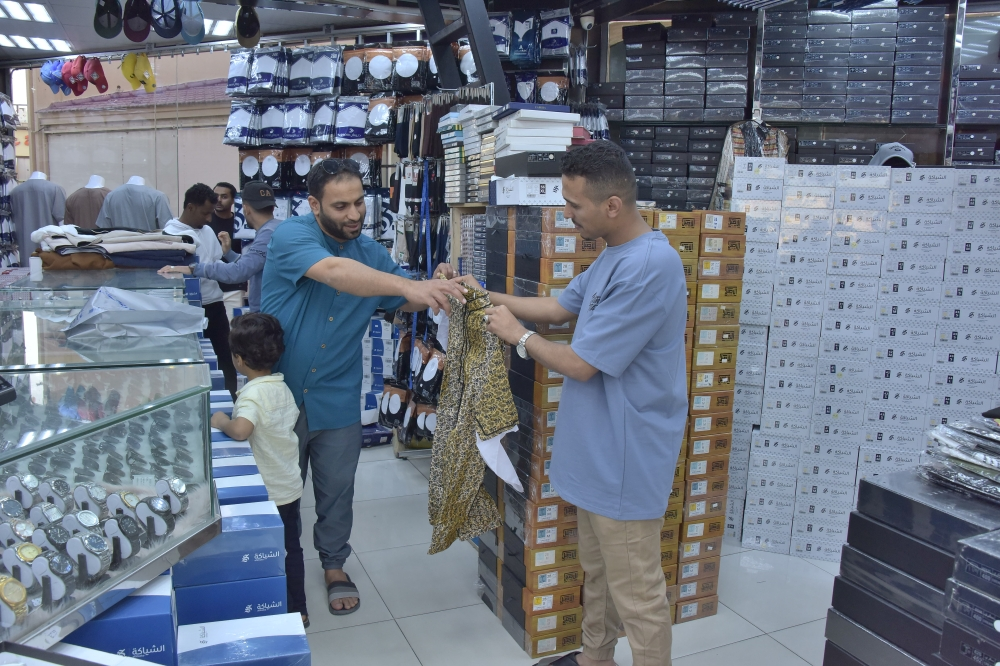
The impact of National Day extends beyond mere celebration, serving as a significant economic driver, particularly for the retail sector. Sales of traditional clothing and related accessories, such as daggers and headbands, as well as national flags and emblems, surge. Salesman Adel Mohammed Ali confirmed that this year's demand is heavily focused on celebration items, noting that prices are affordable for everyone. Some items range from 30 to 35 riyals, while children's accessories start at 15 riyals, and daggers range from 30 to 200 riyals depending on size and quality. This economic boom not only supports local businesses but also bolsters traditional crafts associated with Saudi heritage.
Expressions of pride in national identity
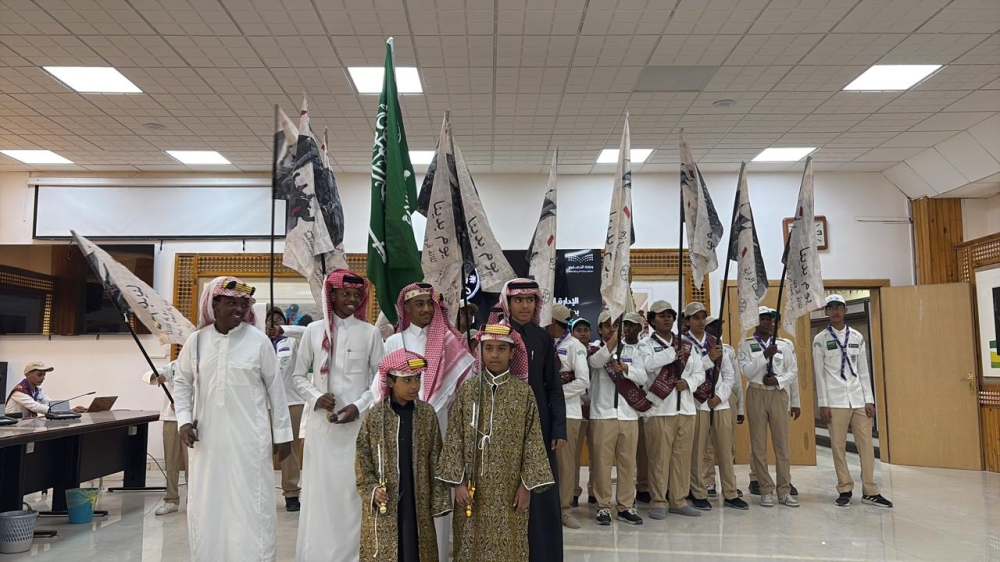
Citizen Hassan Al-Zahrani explained that Founding Day is a great national occasion that reflects the depth and authenticity of Saudi history. He noted that the occasion's coincidence with the approach of the holy month of Ramadan this year lends it an air of tranquility and solemnity. He added that preparations for the occasion began early in schools and homes, with everyone, young and old, keen to wear traditional clothing representing their different regions, creating a unique national tableau that expresses cultural diversity within a single, integrated fabric. He emphasized that wearing this attire is not merely a tradition, but a means of instilling pride in one's identity in the hearts of children and acquainting them with the history of their ancestors.
Variety of options and prices in the markets
The products on offer in the markets are diverse, catering to all tastes and budgets. Vendor Abdulkarim Al-Yazidi explained that demand is high this season, encompassing school supplies and traditional items such as incense burners and pottery. Traditional Asiri clothing, women's jalabiyas, and northern attire are particularly popular due to their authentic character reflecting local heritage. Prices vary to suit everyone, with children's gifts starting at 3 riyals and jalabiyas at 20 riyals, significantly boosting sales. Citizen Mohammed Al-Awaji confirmed that he makes a point of buying special clothes for his sons every year, considering the thobe, shemagh, and dagla, whether in Najdi or Hijazi designs, essential pieces for this occasion due to their deep national and cultural symbolism.