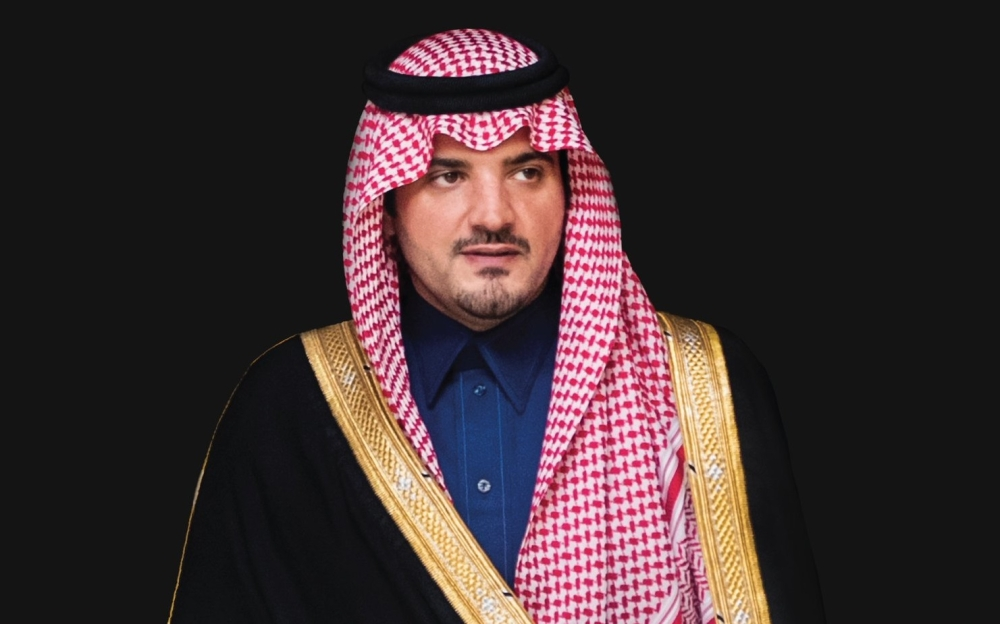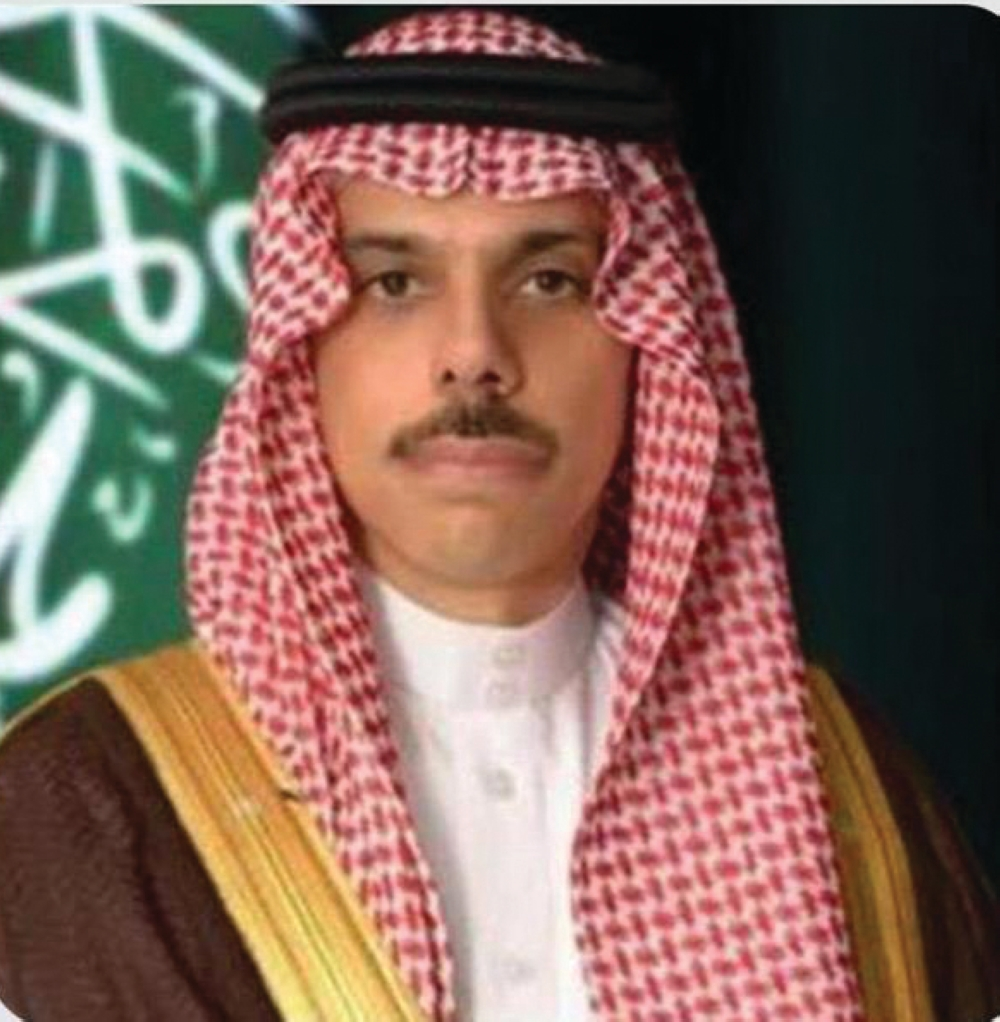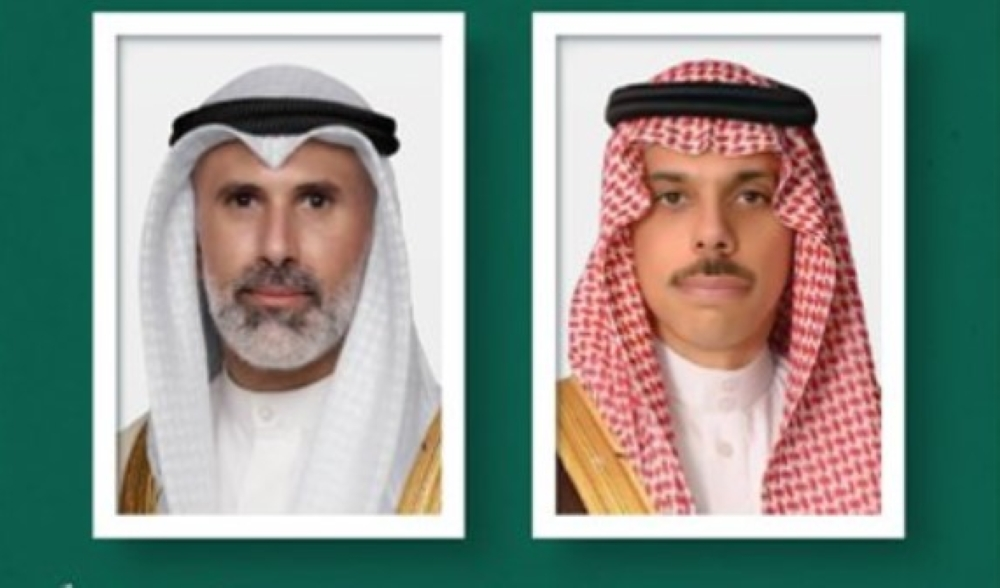
Amid escalating tensions in the Middle East, His Highness Prince Faisal bin Farhan bin Abdullah, the Saudi Minister of Foreign Affairs, conducted a series of intensive telephone calls with several of his counterparts at the regional and international levels. These diplomatic efforts reflect the Kingdom of Saudi Arabia's commitment to monitoring the escalating situation in the region and working jointly with the international community to de-escalate tensions and ensure the stability of nations and the security of their people.
Intensive diplomatic efforts to contain the escalation in the region
His Highness the Minister of Foreign Affairs received a telephone call from the Minister of Foreign Affairs of the Republic of Portugal, Paulo Rangel. During the call, the two ministers discussed the latest developments, with the Portuguese minister expressing his country's unequivocal condemnation of the recent Iranian attacks and affirming Lisbon's full solidarity with the Kingdom. He also highly commended the humanitarian and logistical efforts provided by Riyadh to facilitate matters for Portuguese citizens residing in the Kingdom during these challenging times.
Faisal bin Farhan Minister of Foreign Affairs, received a phone call from His Excellency Paulo Rangel, Minister of Foreign Affairs of the Republic of Portugal. pic.twitter.com/9MA6FX0Fwo
— Ministry of Foreign Affairs (@KSAMOFA) March 15, 2026
On the Arab level, His Highness spoke by telephone with the Deputy Prime Minister and Minister of Foreign Affairs and Expatriates of the Hashemite Kingdom of Jordan, Ayman Safadi, where the talks focused on the direct repercussions of the events on regional and international security and stability.
Faisal bin Farhan Minister of Foreign Affairs, received a phone call from His Excellency Ayman Safadi, Deputy Prime Minister and Minister of Foreign Affairs and Expatriates of the Hashemite Kingdom of Jordan. pic.twitter.com/3qCjAKiweg
— Ministry of Foreign Affairs (@KSAMOFA) March 15, 2026
The diplomatic efforts also included contacts with His Excellency Sheikh Jarrah Jaber Al-Ahmad Al-Sabah, Minister of Foreign Affairs of the State of Kuwait, Dr. Abdul Latif bin Rashid Al-Zayani, Minister of Foreign Affairs of the Kingdom of Bahrain, and Sheikh Mohammed bin Abdulrahman bin Jassim Al Thani, Prime Minister and Minister of Foreign Affairs of the State of Qatar. These discussions focused on unifying visions and efforts aimed at achieving peace.
Faisal bin Farhan Minister of Foreign Affairs, received a phone call from His Excellency Dr. Abdullatif bin Rashid Al Zayani, Minister of Foreign Affairs of the Kingdom of Bahrain. pic.twitter.com/M7XAGuqPiG
— Ministry of Foreign Affairs (@KSAMOFA) March 15, 2026
The historical roots of the tensions and the pivotal role of the Kingdom
The Middle East has never been immune to complex political and security tensions. Historically, this geographical area has been a crossroads of major international interests, making it vulnerable to successive crises. Amid these ongoing historical challenges, Saudi Arabia has emerged as a cornerstone of moderation and a regional guarantor of stability. Riyadh has consistently spearheaded peace initiatives and advocated for resolving conflicts through peaceful and diplomatic means, rejecting all forms of interference in the internal affairs of states and emphasizing the importance of respecting international agreements. This long-standing diplomatic legacy explains Saudi Arabia's swift action today to bring international and regional actors to the negotiating table and prevent a slide into wider conflicts.
Strategic dimensions and impacts of events on the international stage
The ongoing tensions in the region have profound repercussions that extend far beyond the geographical boundaries of the Middle East. Locally and regionally, these tensions directly impact the sustainable economic development plans that countries in the region are striving to achieve, and jeopardize maritime security and intra-regional trade. Internationally, any instability in this vital region is immediately reflected in global energy markets and supply chains, threatening the entire global economy.
Hence, the Saudi Foreign Minister's contacts and consultations are of paramount importance. They aim not only to exchange views but also to forge a unified diplomatic front capable of exerting pressure for de-escalation. This ongoing coordination with regional and international powers reflects a profound understanding of the responsibility borne by influential nations to spare the region the ravages of conflict and ensure a secure and prosperous future for generations to come.