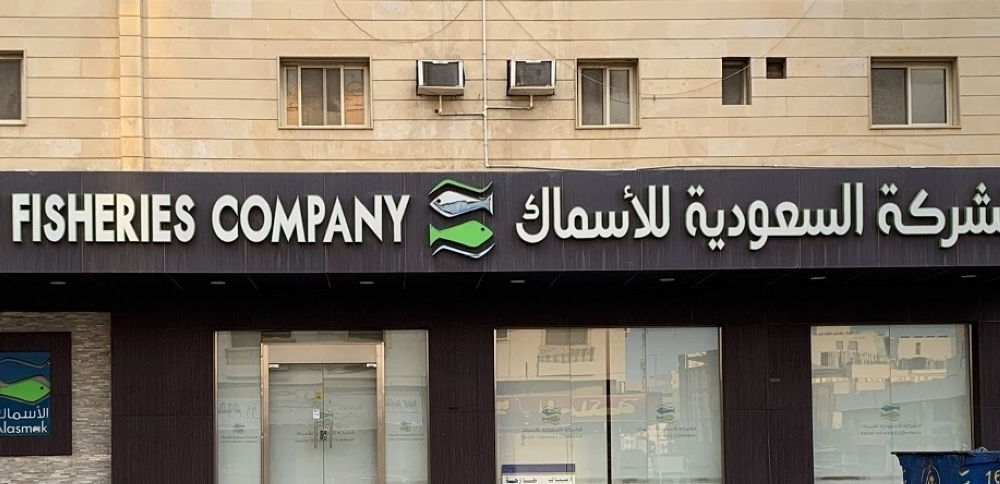
The Saudi Fisheries Company, a leading aquaculture and fishing company in the Kingdom, announced positive financial results for the fiscal year ending December 31, 2023, significantly reducing its net losses after zakat and tax by 38.2%. According to financial data published on the Saudi Stock Exchange (Tadawul) website, the company recorded losses of SAR 25.3 million, compared to losses of SAR 40.9 million in the previous year, 2022.
Reasons for improved financial performance
The company attributed this significant improvement in its financial performance to the implementation of an effective cost-cutting strategy and enhanced operational efficiency. Key factors contributing to the reduced losses included the absence of expenses related to shrimp and fish farm production that were recorded in the previous year, as well as a substantial decrease in operating expenses resulting from a decline in business activity. This included a 63% reduction in selling costs and general and administrative (SG&A) expenses, and a 20% decrease in G&A expenses alone, primarily due to lower labor costs and professional fees. Zakat expenses also decreased by 80%, reflecting the decline in operating activity during the period.
General context and importance of the sector within Vision 2030
The Saudi Fisheries Company was established in 1980 and plays a pivotal role in the Kingdom's fisheries sector. These results are particularly significant in light of Saudi Vision 2030, which aims to diversify national income sources and achieve food security. Developing the aquaculture sector is a key pillar of this strategy, as the Kingdom seeks to increase its seafood production to meet growing domestic demand and reduce reliance on imports. The improved performance of the Saudi Fisheries Company is a positive indicator of the sector's maturity and its capacity for sustainable development and growth.
Current challenges and future outlook
Despite this progress, the company's net profit margin remains negative. The company explained that this is primarily due to the continued incurrence of fixed costs for idle farms throughout the year and increased consulting expenses related to capital restructuring initiatives. Additionally, the company recorded provisions totaling SAR 8.77 million, comprising SAR 7.57 million for impairment of non-financial assets and SAR 1.67 million for inventory provisions. These measures reflect management's efforts to address structural challenges and prepare the company for a new phase of growth and a return to profitability, thereby strengthening investor confidence in the company's future and its ability to overcome past difficulties.