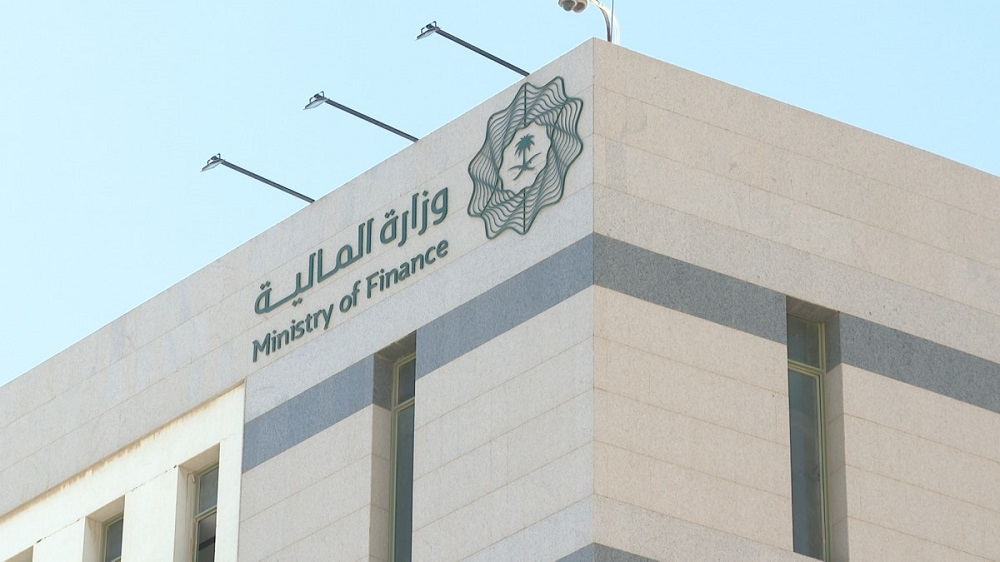
In a strategic move aimed at enhancing transparency and improving the efficiency of government spending, the Saudi Ministry of Finance has released a draft of the executive regulations for the Financial Control System. These new regulations are part of the Kingdom's ongoing efforts to achieve the goals of Vision 2030, which prioritizes good governance and the protection of the state's financial resources.
Historical background and context of reforms
This step is part of a series of structural reforms undertaken by the Kingdom in recent years to strengthen the integrity and financial oversight system. Since the launch of Vision 2030, the Saudi government has worked to develop legislative and regulatory frameworks to combat financial and administrative corruption and ensure the optimal use of public funds. This regulation is a natural progression aimed at transitioning from traditional oversight methods to more modern and effective models that rely on technology and sound self-regulation.
Key features of the new regulations
The draft includes advanced mechanisms that empower government entities to transition to self-regulation, either fully or partially, after meeting specific readiness requirements and standards. The regulations mandate that the ministry review transition requests within a maximum of 60 working days. To ensure effective implementation, all entities connected to the Government Resources System (GRP) will be subject to what is known as "digital technical oversight," which enables automated and continuous monitoring of financial controls and data analysis to guarantee the integrity of operations.
Incentive rewards for protecting public funds
To incentivize financial controllers to perform their duties with high efficiency, the regulations grant the Minister of Finance the authority to award special incentive bonuses. These bonuses are awarded to controllers whose efforts contribute directly and tangibly to protecting public funds, whether by preventing the disbursement of irregular amounts or recovering funds disbursed in violation of regulations for the benefit of the state treasury. Financial controllers must be Saudi citizens, possess integrity and impartiality, and pass the professional examinations and personal interviews administered by the Ministry.
Importance and expected impact
At the local level, this regulation is expected to contribute to establishing a culture of responsibility and accountability within government agencies, reducing financial waste, and increasing the efficiency of government project and program implementation. It also enhances citizens' trust in the management of public resources and ensures they are directed towards improving the quality of services provided to them.
At the regional and international levels, these measures reflect the Kingdom's commitment to international best practices in public financial management. This will enhance the Kingdom's reputation as a safe and reliable investment environment, improve its credit rating, and set a leading example of government financial reform in the region.
Cooperation and regulatory integration
The regulations emphasized the importance of cooperation between the Ministry of Finance and other oversight bodies, such as the State Audit Bureau and the Oversight and Anti-Corruption Authority, to unify efforts and develop joint methodologies that prevent duplication and enhance the quality of oversight performance. At the end of each year, the Minister of Finance will submit a detailed report to the Prime Minister, reviewing the results of financial oversight activities, highlighting key challenges, and outlining recommendations for continuously improving the system's effectiveness.