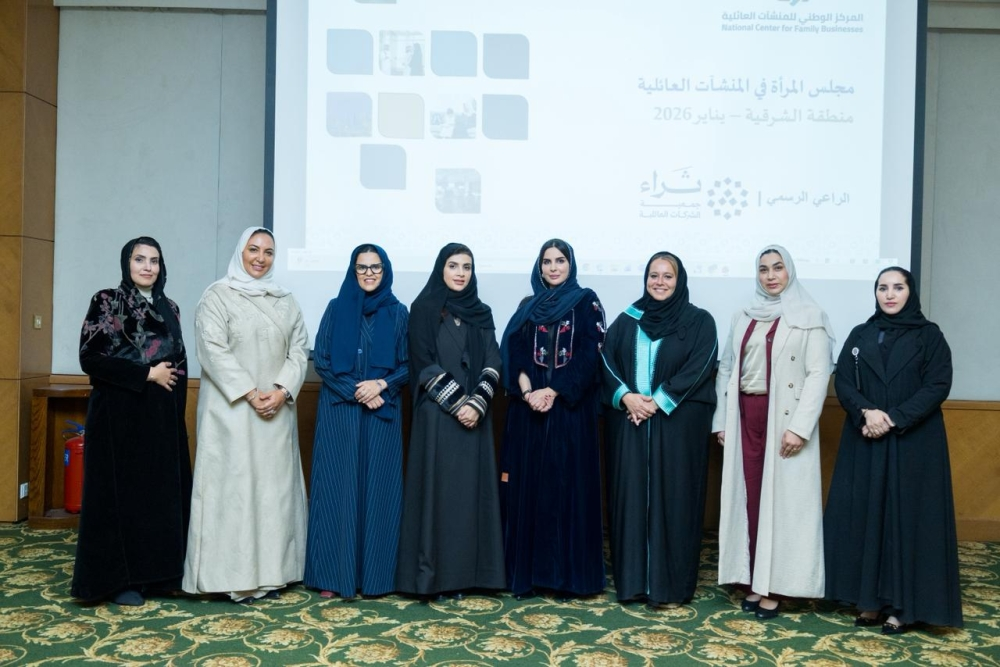
مقدمة: فجوة تنظيمية في قلب الاقتصاد السعودي
كشفت بيانات حديثة أن 27% فقط من الشركات العائلية في المملكة العربية السعودية تعتمد سياسات واضحة وفعالة لدمج النساء المالكات في هياكلها الإدارية والرقابية. هذا الرقم، الذي تم الكشف عنه خلال “مجلس المرأة في المنشآت العائلية”، يسلط الضوء على فجوة تنظيمية عميقة في أحد أهم قطاعات الاقتصاد الوطني، ويأتي في وقت تشهد فيه المملكة تحولات اقتصادية وتشريعية غير مسبوقة تهدف إلى تعزيز تمكين المرأة كجزء أساسي من رؤية 2030.
السياق العام: الشركات العائلية ورؤية 2030
تُعد الشركات العائلية العمود الفقري للاقتصاد السعودي، حيث تساهم بنسبة كبيرة في الناتج المحلي الإجمالي غير النفطي وتوظف شريحة واسعة من القوى العاملة. تاريخياً، كانت إدارة هذه الشركات وانتقالها بين الأجيال يخضعان لأعراف تقليدية قد لا تضمن دائمًا المشاركة الفعالة للمرأة، حتى مع امتلاكها حصصًا شرعية عبر الميراث. ومع انطلاق رؤية 2030، التي وضعت تمكين المرأة ورفع نسبة مشاركتها في سوق العمل إلى 30% كأحد أهدافها الرئيسية، أصبح من الضروري على هذه الشركات مواءمة هياكلها الداخلية مع التوجه الوطني لضمان استدامتها ونموها.
أهمية الحدث وتأثيره المتوقع
جاء انعقاد المجلس، الذي نظّمه المركز الوطني للمنشآت العائلية بالشراكة مع جمعية “ثراء”، ليؤكد أن تمكين المرأة لم يعد خيارًا، بل ضرورة استراتيجية. وأظهرت الدراسة التي نوقشت أن الفجوة لا تكمن في الاعتراف بحق المرأة في الملكية، بل في ترجمة هذا الحق إلى دور مؤثر في صنع القرار. فالأرقام تشير إلى أن قرابة نصف هذه الشركات تفتقر تمامًا لأي إطار تنظيمي لمشاركة المرأة، مما يجعل دورها مرهونًا بالعلاقات الأسرية والاجتهادات الشخصية بدلاً من كونه حقًا مؤسسيًا يكفله ميثاق العائلة.
إن غياب هذه السياسات لا يؤثر فقط على حقوق المالكات، بل يهدد استقرار الشركات نفسها على المدى الطويل. فالنزاعات العائلية حول الإدارة والميراث تُعد من أكبر مهددات استمرارية الشركات العائلية، ووجود سياسات حوكمة واضحة وشاملة، تضمن مشاركة جميع الأطراف، هو صمام الأمان الرئيسي لتجاوز هذه التحديات وضمان انتقال سلس وآمن بين الأجيال.
أبعاد تمكين المرأة وتأثيره على الأداء
أكد المشاركون في المجلس أن تمكين المرأة لا يقتصر على شغلها مناصب تنفيذية، بل يتخذ أشكالًا متعددة تتناسب مع قدراتها ورغباتها. فبينما قد تتجه بعض المالكات للمشاركة في الإدارة اليومية، قد تجد أخريات أن دورهن الأمثل يكمن في مجالس الإدارة، حيث يمكنهن المساهمة في الرقابة ووضع الاستراتيجيات. وأبرزت النتائج أن وجود المرأة في مواقع القيادة يعزز من كفاءة إدارة المخاطر، ويرفع من مستوى الذكاء العاطفي في التعامل مع الديناميكيات العائلية المعقدة، ويوسع آفاق التفكير الاستراتيجي ليشمل أبعادًا اجتماعية واستهلاكية جديدة.
وفي هذا السياق، شدد الدكتور عائذ المبارك، الرئيس التنفيذي للمركز الوطني للمنشآت العائلية، على أن تمكين المرأة يبدأ بتأهيلها كمالكة مسؤولة، قادرة على فهم القوائم المالية والمشاركة في القرارات الاستثمارية، وهو ما يعمل المركز على تحقيقه عبر برامجه ومبادراته المختلفة.
نظرة مستقبلية: من الملكية إلى الشراكة الفاعلة
إن هذه الإحصائية تدق ناقوس الخطر، ولكنها في الوقت ذاته تفتح الباب أمام فرصة حقيقية للتطوير. ويتطلب تجاوز هذه الفجوة استثمارًا جادًا في التدريب، وتضمين سياسات واضحة لتوظيف ومشاركة أفراد العائلة (رجالًا ونساءً) ضمن مواثيق عائلية ملزمة. ويأتي هذا في وقت تؤكد فيه الأرقام الرسمية الصادرة عن وزارة التجارة أن المرأة السعودية أصبحت لاعبًا رئيسيًا في الاقتصاد، حيث استحوذت السيدات على نسبة كبيرة من السجلات التجارية الجديدة خلال الفترة الأخيرة، مما يثبت أن تمكين المرأة ليس مجرد هدف اجتماعي، بل هو محرك أساسي للنمو الاقتصادي المستدام.