A pivotal step towards a promising educational future
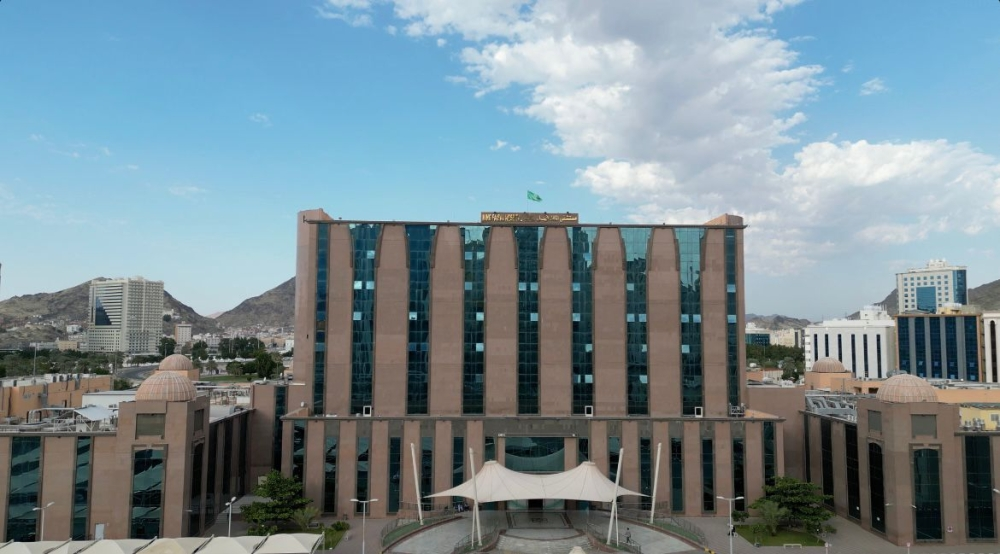
The Education and Training Evaluation Commission in Saudi Arabia announced a significant milestone in its efforts to develop the education system, revealing the expansion of the “National Program for School Evaluation, Classification, and Accreditation” to include early childhood and kindergarten levels. This strategic step comes within the framework of the Kingdom’s ongoing commitment to ensuring the quality of education from its foundational stages, directly aligning with the objectives of Saudi Vision 2030 and the Human Capability Development Program.
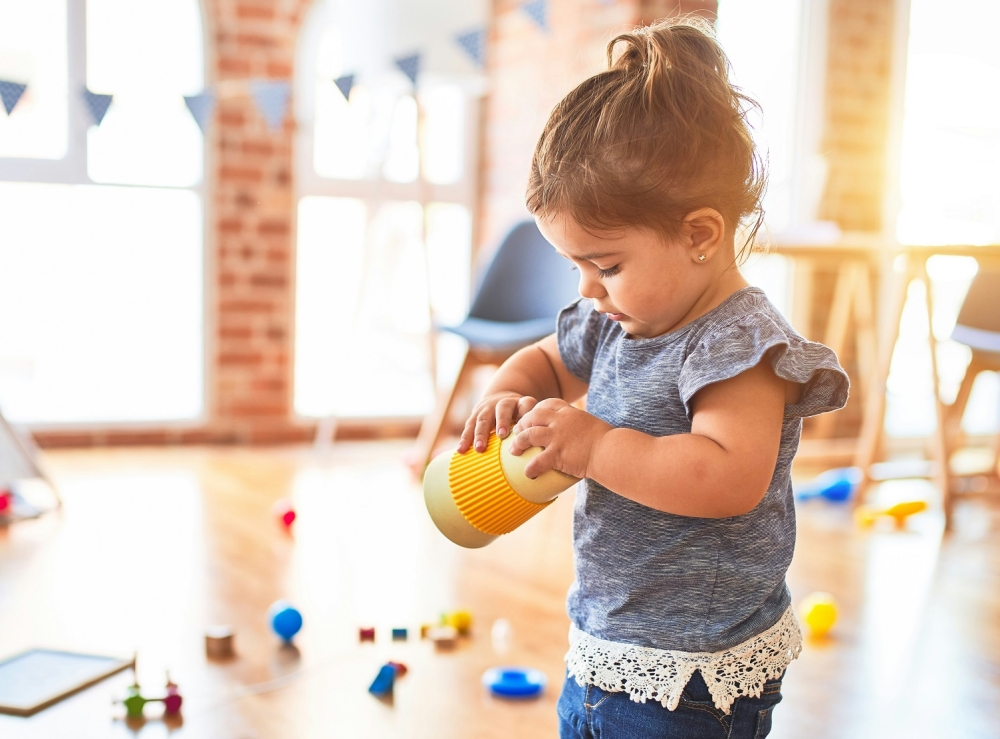
Initial statistics show a remarkably positive response from the education sector, with 57% of kindergartens and 42% of early childhood schools completing the requirements of the "self-assessment" phase, the first stage in the accreditation process. These figures reflect a growing awareness of the importance of quality and continuous improvement, and represent a strong indicator of these institutions' readiness for the subsequent stages of external evaluation and classification.
General context: Radical educational reforms
This expansion cannot be viewed in isolation from the broader context of reforms underway in the Saudi education sector. Since the launch of Vision 2030, the leadership has placed great emphasis on developing human capital, recognizing that quality education is the cornerstone of building a sustainable knowledge economy and a vibrant society. The Education and Training Evaluation Commission was established as an independent body to ensure and regulate the quality of education and training in the Kingdom, from general education to higher education and technical and vocational training. The focus on early childhood development is a strategic shift, as global studies have demonstrated that investment in this stage yields the highest long-term educational, social, and economic returns.
The importance of the event and its expected impact
Implementing assessment and accreditation standards for kindergartens and early childhood education is of paramount importance on several levels. At the local level, it will create a competitive and stimulating learning environment that encourages schools to adopt best educational practices, positively impacting the development of children's fundamental, cognitive, and social skills. It also provides parents with a transparent and reliable tool to evaluate school quality and choose the most suitable option for their children.
At the regional and international levels, this initiative reinforces the Kingdom's position as a leading center for developing innovative educational policies. Building a comprehensive Saudi model for school evaluation and accreditation, starting from the earliest stages, can become a model for the region. Furthermore, the outcomes of this system—a generation equipped with the skills necessary for the 21st century—will enhance the Kingdom's competitiveness on the global stage and contribute to achieving its aspirations for its citizens to be globally competitive.