Strategic partnership to support Saudi Vision 2030
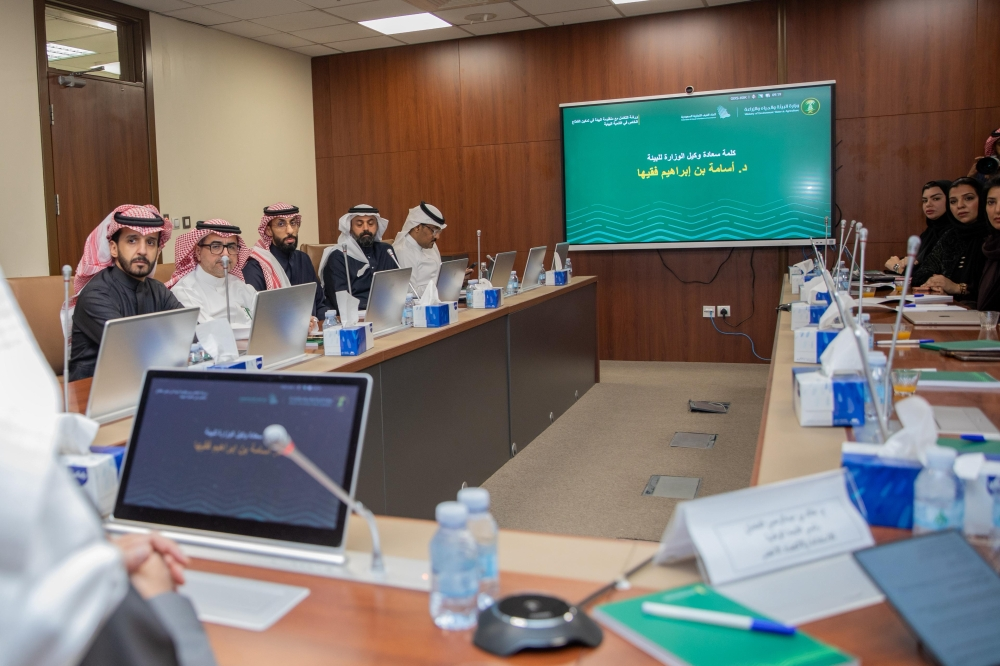
In a strategic move aimed at unifying national efforts and maximizing environmental and economic impact, the Saudi Ministry of Environment, Water and Agriculture emphasized the importance of building a comprehensive cooperation framework with the National Committee for Sustainability and the Green Economy. This came during a specialized workshop organized by the Ministry at its headquarters in Riyadh, entitled "Enhancing Integration between the Environmental System and the National Committee for Sustainability and the Green Economy," with the participation of the Deputy Minister for Environment, Dr. Osama Faqih, and a wide range of stakeholders, heads of environmental centers, and experts.
National context: Sustainability at the heart of transformation
This approach comes within the framework of the comprehensive national transformation led by Saudi Vision 2030, which places environmental sustainability and the protection of natural resources as key pillars for improving quality of life and diversifying the economy. Since the launch of the Vision in 2016, the Kingdom has worked to develop a robust legislative and institutional infrastructure to support environmental action, including the launch of the National Environment Strategy and the establishment of several specialized environmental centers. These efforts aim to transition towards a more sustainable economy, known as the “green economy,” which balances economic growth with environmental responsibility.
The importance of the event and its expected impact
This partnership is of paramount importance on several levels. Locally , it will contribute to coordinating major environmental initiatives such as the Saudi Green Initiative, ensuring their efficient implementation and avoiding duplication of efforts among various governmental and private entities. It will also open new avenues for investment in promising sectors such as renewable energy, waste management, and ecotourism, creating new job opportunities and supporting economic growth. Regionally and internationally , this step reinforces the Kingdom's position as a regional leader in climate action and sustainability, and underscores its commitment to fulfilling its international environmental obligations, such as the Paris Climate Agreement. The Kingdom's success in achieving a sustainable development model will have an inspiring and positive impact on countries in the region.
Workshop objectives and outcomes
Dr. Faqih explained that the workshop aimed to unify the efforts of the public and private sectors to achieve the objectives of the National Environment Strategy and to strengthen the role of the private sector as a key partner in implementing environmental projects and initiatives. The workshop discussed key themes including enhancing governance and institutional integration, clearly defining roles and responsibilities, and supporting the role of environmental centers in implementing policies and programs. Among the workshop's most prominent recommendations were the formation of a follow-up committee and specialized working groups to develop actionable plans and to establish clear cooperation mechanisms that ensure the sustainability of gains and their transformation into tangible national achievements.
An integrated role for the private sector and national centers
The workshop witnessed active participation from key entities such as the Federation of Saudi Chambers of Commerce, the National Centers for Environmental Compliance, Wildlife Development, Vegetation Development and Combating Desertification, the Environment Fund, and the National Center for Waste Management (Mawan). The private sector is expected to play a pivotal role in this partnership by investing in environmental projects, providing innovative technological and operational solutions, and contributing to achieving national environmental objectives, in line with global trends toward comprehensive and sustainable development.