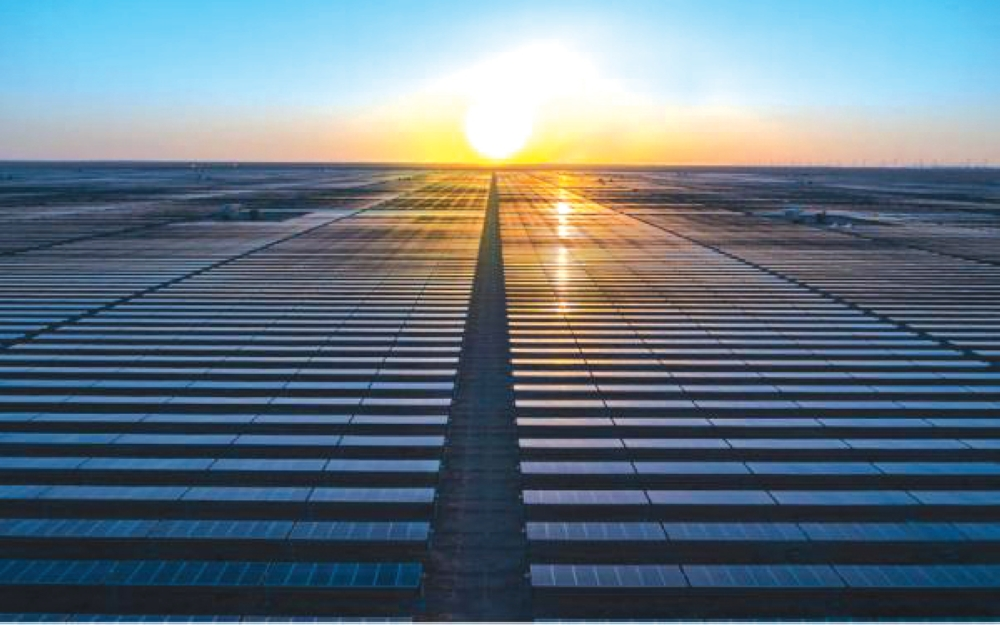
The energy sector in the Kingdom of Saudi Arabia witnessed exceptional growth during the fourth quarter of 2025, as official data revealed a remarkable increase in the number of commercial registrations issued in the electricity generation, transmission and distribution sector by 27%, reflecting the attractiveness of the investment environment and the private sector’s orientation towards effective participation in vital infrastructure projects.
Record numbers in the power generation sector
According to the Business Sector Bulletin issued by the Ministry of Commerce, the total number of commercial registrations in the electricity generation, transmission and distribution sector reached 6,120 commercial registrations by the end of the fourth quarter of 2025, compared to 4,800 registrations in the same period of 2024. The Riyadh region topped the list with 2,780 commercial registrations, followed by the Makkah region with 1,480 registrations, then the Eastern region with 974 registrations, while Madinah and Asir recorded 189 and 173 commercial registrations respectively.
Vision and Strategic Transformation Context
These figures cannot be viewed in isolation from the broader economic context of the Kingdom under Vision 2030. This rapid growth is a response to ambitious national programs aimed at diversifying the national energy mix, with the Kingdom seeking to increase the share of renewable energy and natural gas in electricity generation. Opening up the sector to private investment in electricity generation and transmission is a pivotal step toward enhancing operational efficiency and reducing costs, which explains the high demand for commercial registrations in this field.
Parallel growth in electric vehicle charging stations
In a parallel move towards clean energy, the electric vehicle charging station sector recorded a growth of 26% during the fourth quarter of 2025. The number of commercial registrations issued in this activity reached 4,300, compared to 3,400 in the same quarter of 2024. The Riyadh region continued to lead with 1,700 registrations, followed by Makkah with 1,250 registrations, and then the Eastern Province with 512 registrations.
Expected economic and environmental impact
This expansion carries significant economic and environmental implications at both the local and regional levels. Locally, this growth supports the infrastructure necessary for the widespread adoption of electric vehicles, aligning with Saudi Arabia's Green Initiative and Riyadh's target of increasing the percentage of electric vehicles to 30% by 2030. Furthermore, the increased number of companies operating in this sector will create thousands of high-quality jobs for young Saudis in engineering, technology, and maintenance fields.
Regionally, this development enhances the Kingdom’s position as a leading energy hub in the Middle East, not only as a source of oil, but also as an integrated model for managing traditional and renewable energy and future technologies, opening up prospects for exporting Saudi expertise and technologies to neighboring countries.