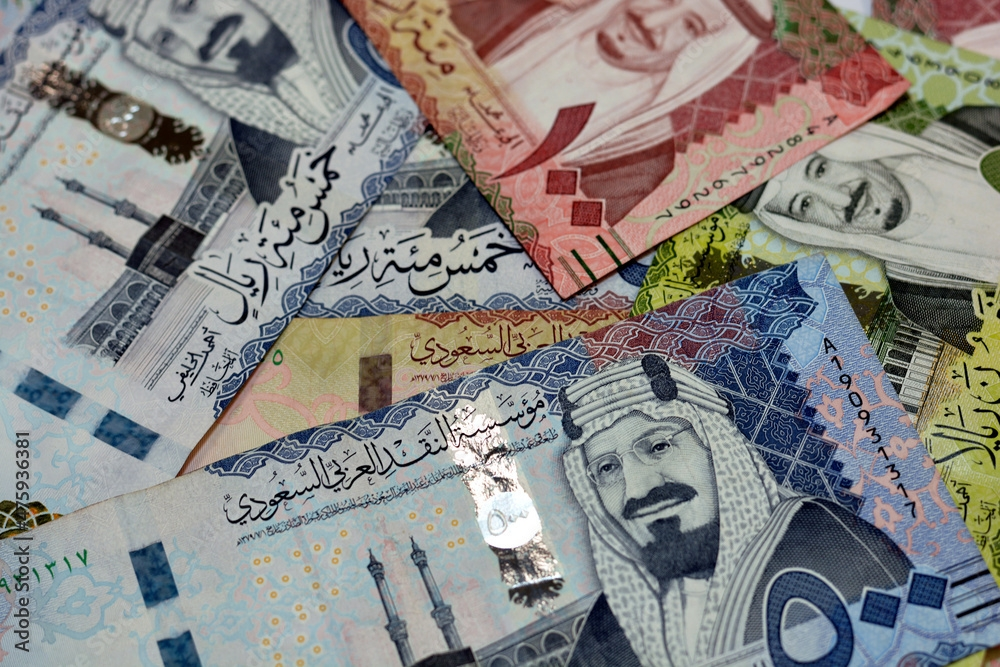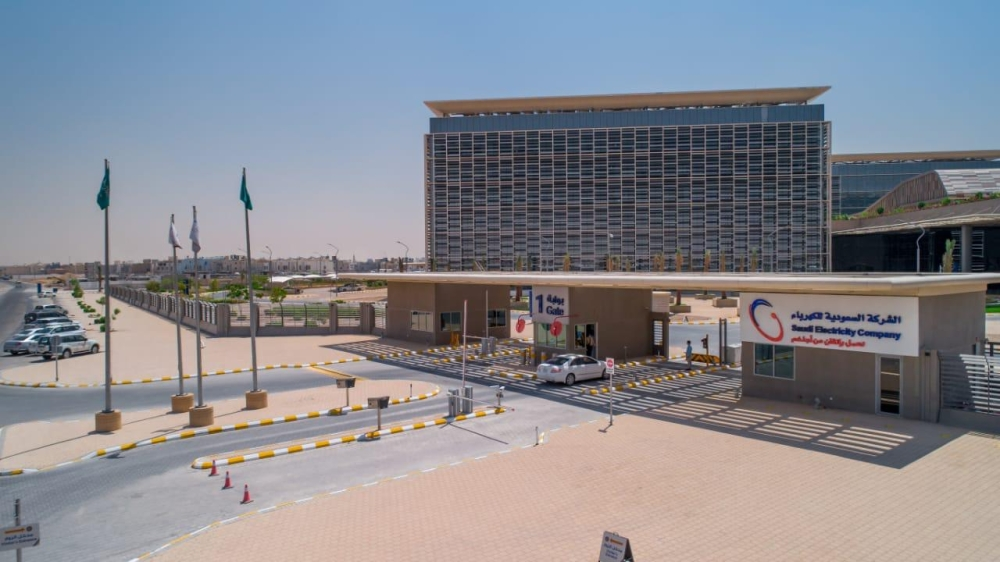
The Saudi Electricity Company, a leading producer, transmitter, and distributor of electricity in the Kingdom, announced the signing of a SAR 16 billion Murabaha financing facility agreement compliant with Islamic Sharia principles. This significant agreement was concluded with a banking consortium comprising seven of the most prominent local and regional banks.
In an official statement published on the Saudi Stock Exchange (Tadawul) website, the company clarified that the financing term extends for three years, with an option to extend it according to the terms and conditions stipulated in the agreement. The company stated that the primary objective of this facility is to refinance existing debt within its current Murabaha facilities, reflecting its well-considered financial strategy to efficiently manage its obligations and improve its debt structure.
A strong banking alliance reflects confidence
The banking consortium that provided the financing includes: National Commercial Bank, Al Rajhi Bank, Alawwal Bank (SAB), Banque Saudi Fransi, Arab National Bank, Riyad Bank, and Qatar International Islamic Bank. The participation of these major financial institutions demonstrates the high level of confidence in the Saudi Electricity Company's financial strength and its promising future plans.
General context and importance of the agreement within the framework of Vision 2030
This move comes at a crucial time as the Saudi energy sector undergoes radical transformations in line with the goals of Vision 2030. The Saudi Electricity Company plays a pivotal role in realizing this vision, not only by meeting the growing energy demand from mega-development projects and the industrial and residential sectors, but also through its role in developing a smart and sustainable electricity grid capable of integrating renewable energy sources. Securing financing of this magnitude strengthens the company's ability to proceed with its major capital projects, which include upgrading the electricity grid infrastructure and enhancing operational efficiency.
Expected impact at the local and regional levels
Domestically, this agreement contributes to strengthening the company's financial stability, ensuring the continuity and reliability of electricity supply across the Kingdom, which is vital for driving economic growth. It also underscores the strength and liquidity of the Saudi banking sector and its capacity to finance major strategic projects. Regionally, the success of an Islamic financing deal of this magnitude reinforces the Saudi financial market's position as a leading center for Islamic finance in the region and reflects the attractiveness of major Saudi companies to both investors and financial institutions.