قواعد جديدة لتعزيز الانضباط المدرسي
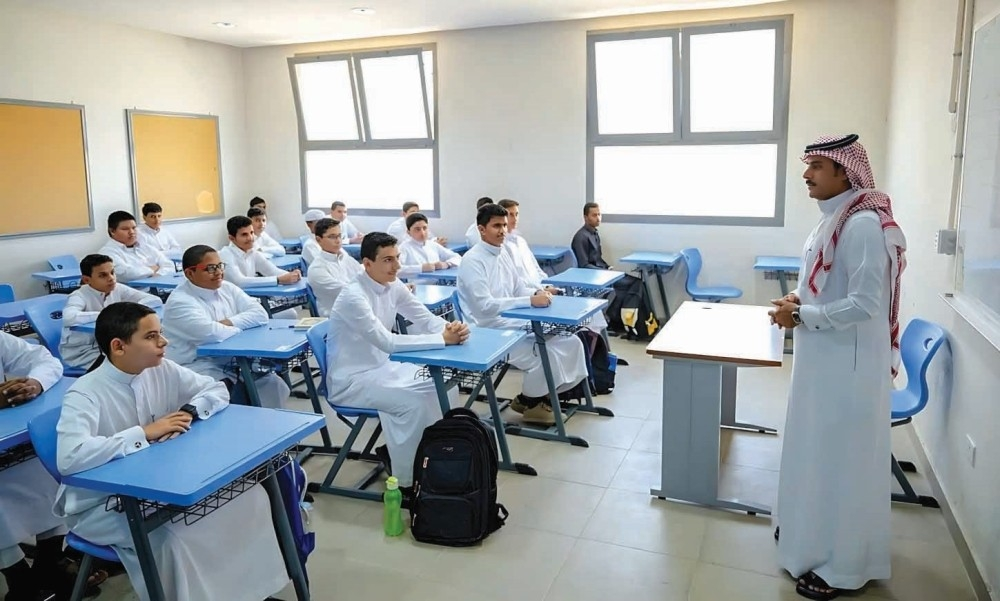
في خطوة حاسمة لتعزيز قيمة الالتزام ورفع مستوى التحصيل العلمي، أرست وزارة التعليم في المملكة العربية السعودية قواعد جديدة وصارمة لضبط الانضباط المدرسي، مؤكدة أن الغياب المتكرر يشكل عائقاً أساسياً أمام استقرار العملية التعليمية. وتتمحور هذه الإجراءات حول لائحة السلوك والمواظبة المحدثة، التي تهدف إلى تحقيق توازن دقيق بين تطبيق العقوبات النظامية الرادعة وضمان حقوق الطالب الأساسية في التعليم، بما يتماشى مع نظام حماية الطفل.
تفاصيل لائحة المواظبة والعقوبات المترتبة
كشفت الوزارة عن الآلية التنفيذية التي تربط المواظبة مباشرة بالتقييم الأكاديمي للطالب. حيث تم تخصيص 100 درجة للمواظبة تُحتسب ضمن المعدل الدراسي الإجمالي، ويتم خصم درجة واحدة عن كل يوم غياب دون تقديم عذر مقبول. ووضعت الوزارة حداً فاصلاً، حيث إن تجاوز نسبة الغياب 10% من إجمالي أيام العام الدراسي دون عذر، سيؤدي إلى حرمان طلاب المرحلتين الابتدائية والمتوسطة من الانتقال إلى الصف التالي، بينما يُحرم طلاب المرحلة الثانوية من الانتقال للفصل الدراسي الذي يليه، مما يعني إعادة العام أو الفصل الدراسي. وفي المقابل، أوضحت الوزارة أن الأعذار المقبولة، مثل التقارير الطبية، لا تحتسب ضمن هذه النسبة شريطة توثيقها عبر المنصات المعتمدة في الوقت المحدد.
في سياق رؤية المملكة 2030
تأتي هذه التشريعات في إطار التحول الشامل الذي يشهده قطاع التعليم في المملكة، والذي يعد ركيزة أساسية في تحقيق مستهدفات رؤية 2030 وبرنامج تنمية القدرات البشرية. تسعى الرؤية إلى بناء جيل منضبط وملتزم يمتلك المهارات اللازمة للمنافسة عالمياً. ولذلك، لم تعد إدارة الحضور والغياب مجرد إجراء روتيني، بل أصبحت مؤشراً مهماً على جدية الطالب وبيئته الأسرية، وأداة استراتيجية لغرس قيم المسؤولية والانضباط الذاتي منذ الصغر، وهي سمات لا غنى عنها في سوق العمل المستقبلي.
الموازنة بين العقوبة وحماية الطفل
أكدت وزارة التعليم أن الهدف ليس عقابياً بحتاً، بل هو تربوي في المقام الأول. لذلك، تم ربط إجراءات الغياب بنظام حماية الطفل بشكل وثيق. فالغياب المتكرر، خاصة في المراحل المبكرة، يُعتبر مؤشراً خطيراً قد يدل على وجود إهمال أسري أو تحديات اجتماعية أو نفسية يواجهها الطالب. وبناءً على ذلك، تلزم اللوائح المدارس بالتدخل المبكر عبر المرشد الطلابي لدراسة أسباب الغياب، وفي حال الاشتباه بوجود إهمال أو عنف، يتم رفع الحالة إلى الجهات المختصة لضمان حماية الطفل وتوفير الدعم اللازم له ولأسرته.
الأثر المتوقع ودور الأسرة
من المتوقع أن تسهم هذه الإجراءات في رفع نسب الحضور بشكل ملحوظ، مما ينعكس إيجاباً على متوسط التحصيل الدراسي للطلاب ويقلل من الفاقد التعليمي. كما أنها تعزز الشراكة بين المدرسة والأسرة، حيث يصبح ولي الأمر شريكاً أساسياً في متابعة انتظام ابنه أو ابنته. وقد سهلت الوزارة هذه المتابعة عبر المنصات الرقمية المعتمدة التي تتيح توثيق الأعذار المقبولة بشكل فوري وشفاف. في المحصلة، تهدف هذه السياسة المتكاملة إلى خلق بيئة تعليمية آمنة ومنضبطة تضمن العدالة وتكافؤ الفرص، وتؤهل الطلاب لمواجهة تحديات المستقبل بكفاءة واقتدار.