A roadmap towards school autonomy
In a strategic move aimed at enhancing the quality and flexibility of education, the Saudi Ministry of Education laid the foundation for a new phase of development based on the concept of “school empowerment.” This came during the “Our Schools and the Sustainability of Excellence 2024” forum, organized by the General Directorate of Education in the Makkah Region. The forum presented a clear roadmap for granting schools greater autonomy and effective tools to achieve sustainable excellence. The forum, inaugurated by the Deputy Minister of Education for General Education, Dr. Hassan Khurami, featured intensive academic discussions, including the presentation of 12 specialized working papers and the holding of 20 high-quality training workshops, with the participation of leading educational figures and decision-makers.
Development context: School empowerment as a pillar of Vision 2030
This focus on school empowerment is an integral part of the radical transformations underway in the Kingdom's education sector, in line with the goals of Vision 2030 and the Human Capital Development Program. The leadership recognizes that building a diversified knowledge economy and a vibrant society requires a flexible and innovative education system. For decades, the system relied on a centralized management model, but global and local changes have necessitated a shift to a more decentralized model. This model empowers smaller units—schools—with broader authority to identify their needs and design their own solutions, making them the primary drivers of development rather than mere recipients of instructions.
The importance of the event and its expected impact
The discussions and interactive workshops focused on deconstructing the concept of “school empowerment” and applying it practically across six vital areas: school administration, teaching and learning, learning outcomes, the school environment, values promotion, and a framework for improving teaching. Dr. Al-Khuraimi emphasized that the goal is not merely to review theories, but to equip schools with self-assessment tools and share successful experiences to establish a culture of continuous improvement.
At the local level, empowering schools is expected to raise student achievement levels by adapting curricula and teaching methods to meet their specific needs. It will also boost the morale of teachers and school leaders by giving them greater freedom to be creative and make decisions, which will positively impact the entire educational environment.
At the international level, this approach contributes to enhancing the global competitiveness of the Saudi education system. Countries that achieve high rankings in international assessments such as PISA and TIMSS often adopt models that grant their schools significant autonomy. Through this initiative, the Kingdom seeks to improve its ranking in these indicators and prepare a generation capable of competing in the global job market and meeting the challenges of the future.
From theory to application
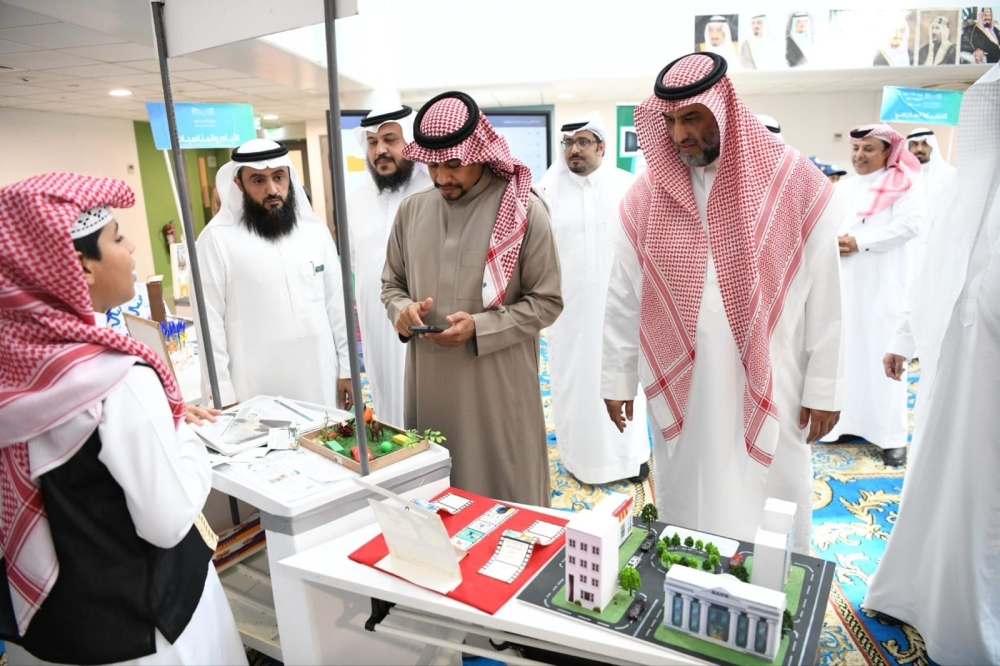
The Undersecretary emphasized that empowering schools is a strategic choice to enhance the efficiency of educational and administrative processes. To ensure the forum's outcomes are translated into tangible results, Dr. Khurami conducted field visits to several schools in Makkah to observe actual practices and explore ways to implement the recommendations. This forum is a pivotal starting point towards a future where schools play a leading role in fostering excellence and achieving high-quality learning outcomes, thus serving the aspirations of the nation and its citizens.