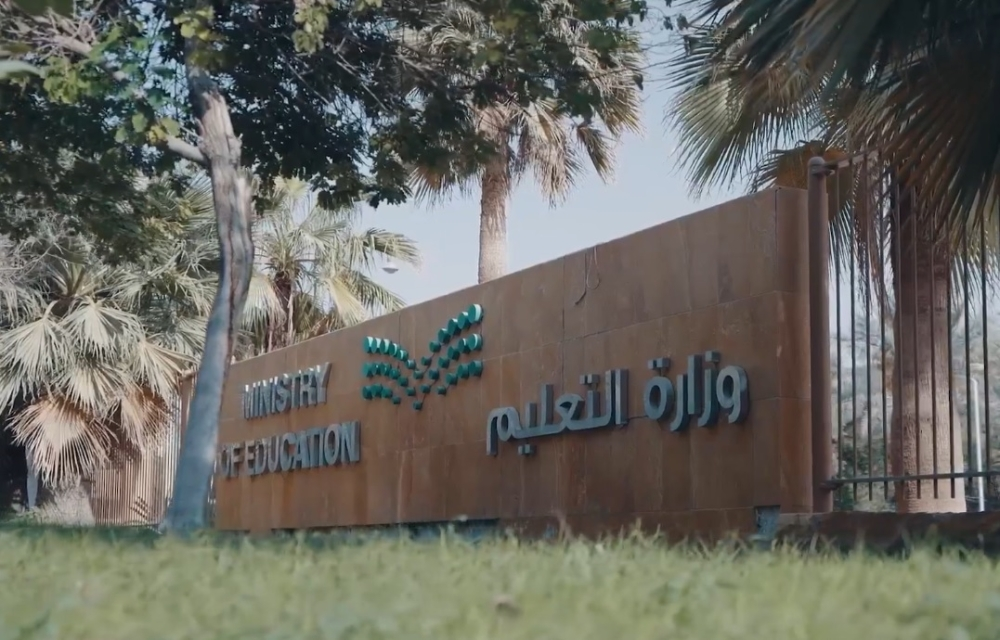
Regulating media appearances in the education sector
The Saudi Ministry of Education has announced stricter regulations regarding media appearances and press statements for all its staff and educational institutions, emphasizing the necessity of obtaining prior official approval before any media engagement. This decision is a key step within the "Communication Governance Guide" launched by the Ministry to regulate media operations, ensure consistency in official messages issued by the education sector, and enhance credibility and transparency in communication with the public and media outlets.
Under the new directives, any employee or official in schools or education departments is prohibited from making any statement or declaration representing an educational institution without prior coordination with the Ministry's General Directorate of Institutional Communication, or the relevant units in other educational entities. The Ministry emphasized that adherence to these regulations is an integral part of professional responsibility and aims to prevent individual interpretations that could lead to conflicting information or damage the image of the education system.
General context and objectives of media governance
This step is part of a broader transformation underway in Saudi government institutions, in line with the goals of Vision 2030, which focuses on enhancing the efficiency of government agencies and implementing best governance practices. In the past, uncoordinated statements from different individuals within the same sector could lead to public confusion and the spread of inaccurate information. This new organizational structure aims to build a cohesive institutional image for the Ministry of Education, reflecting the scale of developments and reforms within the sector, and ensuring a clear and unified message reaches the public.
Communication governance is not simply about restricting media appearances; it is a strategic process aimed at effectively managing an organization's reputation and ensuring that all statements issued serve the ministry's overall objectives and align with its approved policies. This practice is implemented in many major organizations worldwide, in both the public and private sectors, to ensure institutional discipline and maintain a consistent visual identity and media message.
The importance and expected impact of the decision
At the local level, this decision is expected to enhance the trust of parents and students in information issued by the Ministry, as the official source will become the primary and most reliable reference. It also protects education professionals from the negative consequences of spontaneous statements that could be misinterpreted. At the national level, unifying the media discourse for the education sector, which affects every family in the Kingdom, supports government efforts to present the sector's achievements and challenges transparently and clearly, thus preventing the spread of rumors and misinformation.
The guidelines clearly state that the ministry's official spokesperson is the primary authorized spokesperson, in addition to senior officials assigned to specific portfolios. In regional education departments, only directors-general or their officially designated representatives are authorized to issue statements. The approval process involves submitting a formal request detailing the media engagement, which is reviewed and responded to within 24 hours, ensuring a swift response while maintaining institutional protocols.