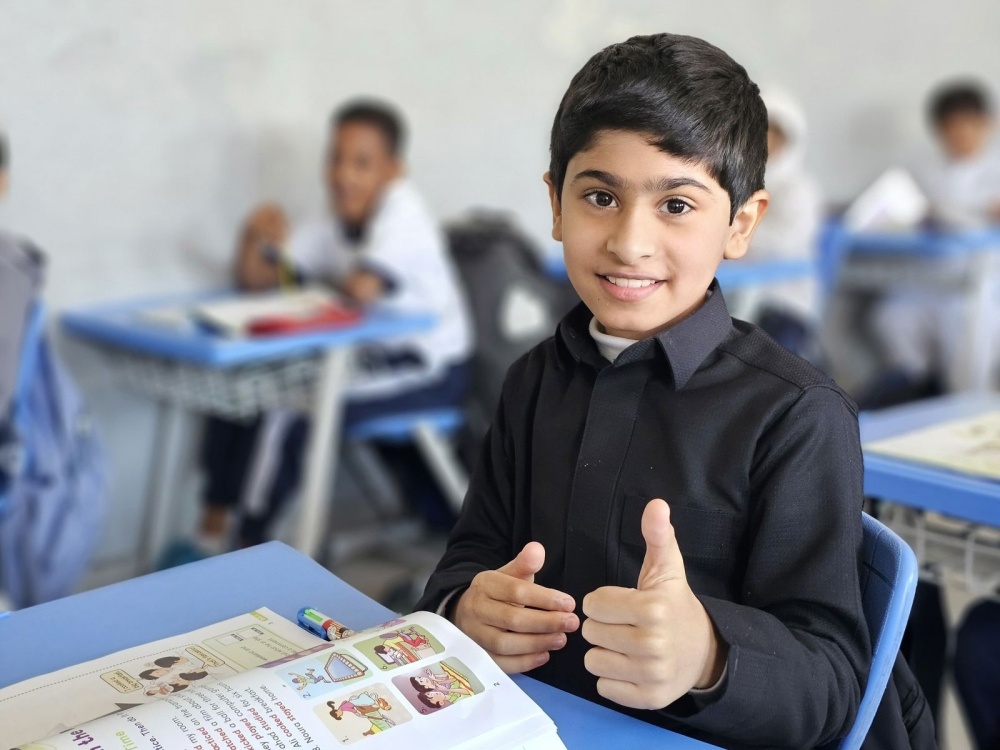
A comprehensive plan to ensure the continuity of education during Ramadan
The Saudi Ministry of Education announced a comprehensive plan to regulate the educational process during the holy month of Ramadan, emphasizing the necessity of full adherence to school hours and prohibiting any form of laxity in discipline. In strict directives, the Ministry banned the merging of classes or allowing students to leave early, stressing that each lesson must be held for its full duration, even if only one student is present, in order to ensure the stability and quality of educational outcomes during this blessed month.
Historical context and ongoing development efforts
These measures are part of the Ministry of Education's ongoing efforts to improve the school environment and enhance discipline throughout the year. Historically, Ramadan has presented challenges regarding student attendance and academic focus. However, modern approaches, aligned with the goals of Vision 2030, which focuses on building a productive and globally competitive generation, aim to instill a culture of seriousness and commitment to education as a top priority under all circumstances. This plan reflects a strategic shift from flexible approaches that could impact academic achievement to the application of consistent standards that ensure no learning gaps occur.
Dimensions of the implementation plan and its expected impact
The Ministry adopted a detailed implementation plan based on four main tracks to ensure the achievement of the desired goals. The first track focuses on "the teaching session," allocating 5% of each session time to innovative, interactive activities designed to increase student participation and deepen their understanding of the material. The second track emphasizes "promoting values and behavior" through targeted programs that instill values of self-discipline and respect for time. The third track focuses on "activating extracurricular student activities" to cater to students' interests and create an engaging school environment. Finally, the fourth track emphasizes "communication with the family," recognizing them as essential partners in the educational process.
This plan is expected to have a significant positive impact locally, helping to maintain students' academic performance and prevent any academic decline that might occur during Ramadan. It also standardizes procedures across all schools in the Kingdom, eliminating individual interpretations and ensuring consistent standards. Regionally, the Kingdom is setting a leading example in balancing religious obligations with educational duties, which could inspire other education systems in the region to adopt similar approaches.
Teachers and families play a pivotal role in the success of the plan
The directives placed a significant responsibility on educational staff, requiring teachers to plan lessons in advance and focus on essential skills, while also preparing learning tasks that consider the individual differences among students. They emphasized the necessity of completing the curriculum without compromising the established educational objectives. Simultaneously, the crucial role of the family was underscored, with schools mandating that parents be informed of weekly and termly plans and that communication channels be activated to ensure coordinated efforts and monitoring of their children's progress, thus creating a comprehensive system that supports students in all aspects.