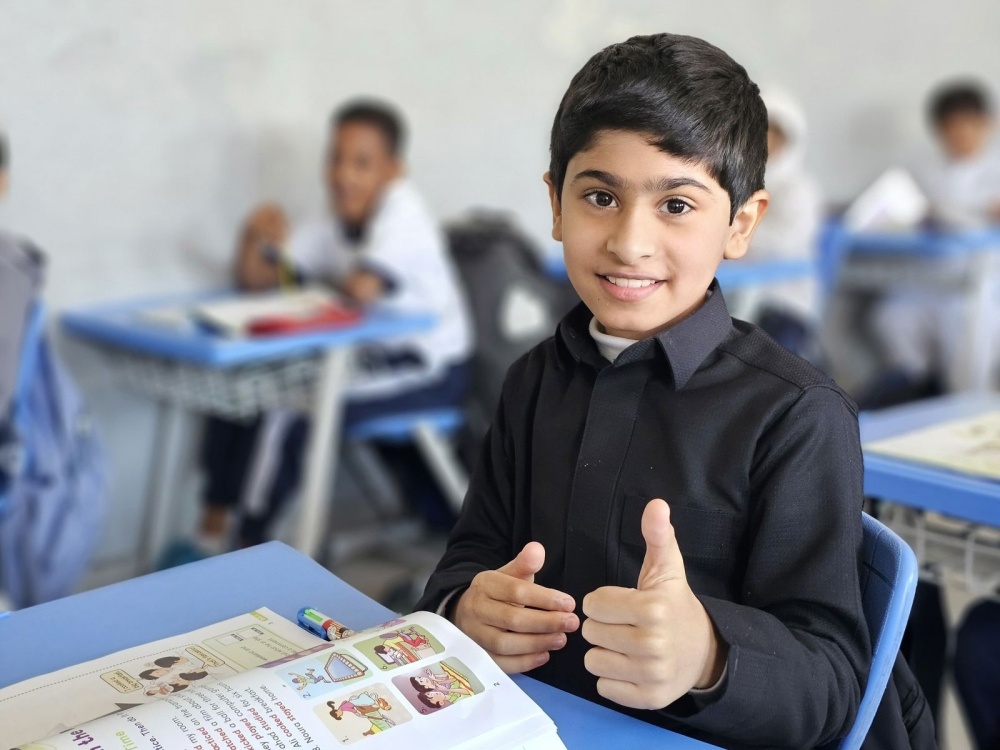
A comprehensive plan to ensure the continuity of education during Ramadan
The Saudi Ministry of Education issued comprehensive guidelines for schools to ensure discipline and the smooth functioning of the educational process during the holy month of Ramadan. In a decisive move, the Ministry completely prohibited combining classes or allowing students to leave early, emphasizing that classes must be held for their full scheduled duration, even for a single student, to reinforce the importance of full school attendance.
The general context of decisions regarding studying during Ramadan
These measures are part of the Ministry's ongoing efforts to regulate school attendance during Ramadan, an annual challenge that requires balancing religious obligations with academic commitments. Historically, this period has sometimes seen laxity in attendance and punctuality, impacting students' academic performance. However, modern approaches, aligned with the Kingdom's Vision 2030, focus on fostering a culture of discipline and quality in education throughout the academic year, viewing every school day as an invaluable learning opportunity.
Four paths to an effective learning environment
The ministry adopted a detailed implementation plan based on four main tracks to ensure the achievement of the desired goals:
- The teaching session: Emphasis on strict adherence to the timetable for the sessions, completion of the curriculum, and requiring teachers to prepare lessons in advance and focus on basic skills.
- Values and Behavior: Activating programs that promote positive behavior and self-discipline, to create an attractive and stimulating school environment during the holy month.
- Student activities: Allocate 5% of class time, in addition to extracurricular activity periods, to implement interactive activities that develop students’ skills and meet their interests.
- Communicating with the family: Emphasizing the pivotal role of the family by activating communication channels, sending weekly plans to parents, and holding parent councils to ensure an integrated educational partnership.
The importance and expected impact of the decision
The importance of this plan lies in its direct impact at the local level, as it aims to eliminate the phenomenon of declining school discipline that may arise during Ramadan, thus ensuring the continuity of academic achievement for all students. It also instills in young people the value of time and commitment. Regionally, the Kingdom presents a pioneering model for managing the educational process during religious occasions, ensuring that the quality of educational outcomes is not affected. This could serve as an inspiration for educational systems in neighboring countries facing similar challenges.
The ministry stressed that the success of this system depends on the integration of roles among all parties involved in the educational process, from school committees and educational supervisors to teachers and parents, with the aim of providing an effective lesson that ensures the quality of education and achieves the desired educational goals.