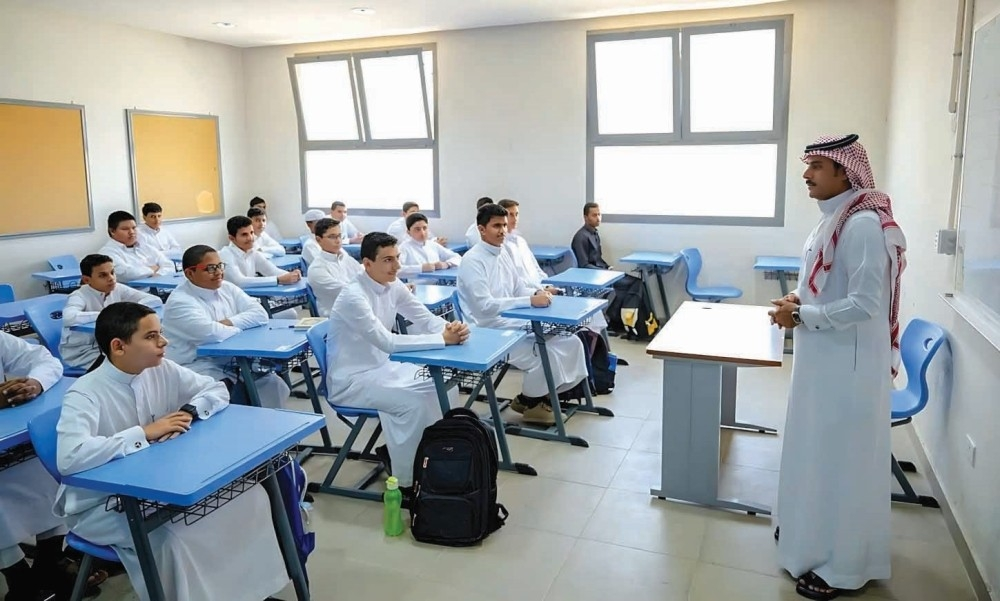
أعلنت وزارة التعليم السعودية عن تفعيل خطة إجرائية شاملة ومشددة لتعزيز الانضباط المدرسي وضمان استمرارية العملية التعليمية بكفاءة عالية خلال شهر رمضان المبارك. وتأتي هذه الخطوة في إطار سعي الوزارة لمواجهة ظاهرة الغياب والتراخي التي قد تظهر لدى بعض الطلاب خلال هذا الشهر، مؤكدة على أنه لن يكون هناك أي تهاون مع المدارس المقصرة في تطبيق اللوائح.
خلفية تاريخية وسياق القرار
تاريخياً، يمثل شهر رمضان تحدياً موسمياً للمنظومات التعليمية في العديد من الدول الإسلامية، بما في ذلك المملكة العربية السعودية. فالتغيرات في نمط الحياة اليومي، من ساعات نوم وسحور وإفطار، قد تؤثر على تركيز الطلاب ومعدلات حضورهم. وإدراكاً منها لهذا التحدي المتكرر، دأبت وزارة التعليم على مر السنوات على تطوير استراتيجيات سنوية للحفاظ على زخم العملية التعليمية. وتعتبر خطة هذا العام استمراراً لتلك الجهود، لكن بتركيز أكبر على الرصد الفوري والمساءلة، بما يتماشى مع أهداف رؤية المملكة 2030 التي تضع تنمية رأس المال البشري والالتزام بالمسؤولية في مقدمة أولوياتها.
تفاصيل الخطة الإجرائية لرمضان
وجهت الوزارة كافة إداراتها التعليمية ومنسوبيها بضرورة الالتزام بالخطة التي تهدف إلى استثمار كل دقيقة في اليوم الدراسي. وتشمل الإجراءات الرئيسية ما يلي:
- جداول دراسية مرنة: تم اعتماد توقيت زمني وجداول دراسية تتناسب مع طبيعة الشهر الكريم، مع التأكيد على الالتزام الصارم بمواعيد بدء وانتهاء اليوم الدراسي.
- رصد استباقي وفوري للغياب: ألزمت الخطة المدارس بحصر الطلاب المتوقع غيابهم ومتابعتهم بشكل استباقي، مع تفعيل نظام الرصد اليومي الفوري للغياب وإشعار أولياء الأمور بشكل مباشر عبر قنوات التواصل المعتمدة.
- تفعيل التعلم النشط: طالبت الوزارة المعلمين بتوظيف استراتيجيات “التعلم النشط” التي تشرك الطلاب بفاعلية وتساعد على كسر الجمود، مع مراعاة المتغيرات الفسيولوجية التي يمر بها الطلاب أثناء الصيام.
- منع الخروج المبكر: شددت التعليمات على منع خروج أي طالب قبل نهاية الدوام الرسمي إلا في الحالات الطارئة ووفقاً للأنظمة المعتمدة، مع تحميل إدارة المدرسة المسؤولية الكاملة عن ضبط حضور الطلاب.
الأهمية والتأثير المتوقع
تتجاوز أهمية هذه الخطة مجرد الحفاظ على الانضباط، فهي تحمل أبعاداً تربوية وتنموية أعمق. على الصعيد المحلي، تسعى الوزارة إلى ترسيخ ثقافة الجدية والمسؤولية لدى الطلاب، وتأكيد أن الالتزام بطلب العلم لا يتعارض مع روحانية الشهر الفضيل. كما تهدف إلى ضمان تحقيق نواتج التعلم المستهدفة دون أي هدر تعليمي، مما يصب مباشرة في جودة مخرجات التعليم العام. وعلى الصعيد الوطني، يعكس هذا التوجه جدية المملكة في بناء جيل منضبط ومنتج، قادر على قيادة المستقبل وتحقيق مستهدفات التنمية المستدامة. إن تحويل شهر رمضان إلى فرصة لتعزيز القيم التربوية والأكاديمية، بدلاً من كونه سبباً للتراخي، هو المعيار الحقيقي الذي تقيس به الوزارة كفاءة الأداء المدرسي وجدية المنظومة بأكملها.