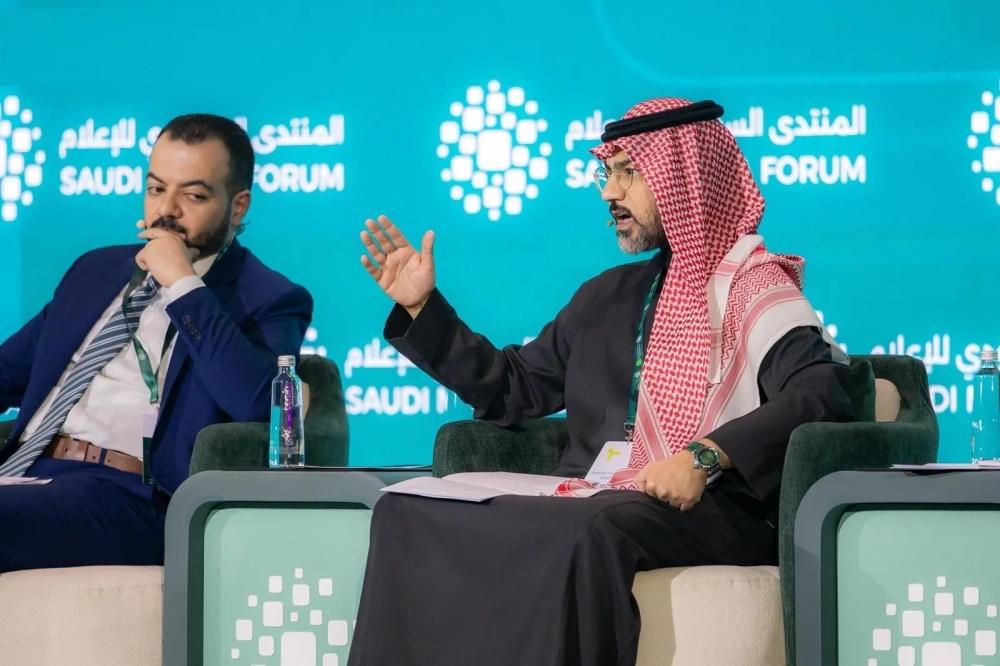
Abdullah bin Kadsa, Assistant General Supervisor for Institutional Relations at the Saudi Development and Reconstruction Program for Yemen, affirmed that the program represents a fundamental pillar in unifying Saudi development efforts to support Yemen. He emphasized that its strategic vision stems from considering development an effective tool for achieving peace and stability, not merely a temporary humanitarian response. His remarks came during his participation in a session titled “Transformations in the Yemeni Landscape: Politics, Security, and Opportunities for Stability,” held as part of the Saudi Media Forum in Riyadh, where he highlighted the integrated approach the program has followed since its inception.
Background and historical context of the program's establishment
The Saudi Development and Reconstruction Program for Yemen (SDRPY) was established by royal decree in 2018, amidst a profound humanitarian and economic crisis in Yemen resulting from years of conflict. The program's establishment was part of the Kingdom of Saudi Arabia's comprehensive response to support the brotherly Yemeni people, stemming from the deep historical, geographical, and cultural ties between the two countries. Rather than simply providing immediate relief aid, the program aimed to lay a solid foundation for economic and infrastructural recovery, based on the belief that sustainable development is the optimal path to rebuilding society and achieving long-term stability.
Strategic importance and multidimensional impact
Ibn Kadsa explained that the program's approach represents a qualitative shift from short-term aid to sustainable development, which strengthens the resilience of the Yemeni economy and supports state institutions. He noted that the program has implemented 268 development projects and initiatives to date, covering vital sectors such as health, education, energy, transportation, water, and agriculture. These projects not only improve basic services for millions of Yemenis but also create direct and indirect job opportunities, stimulate local economic activity, and empower women and youth.
On the direct economic front, Ibn Kadsa highlighted the vital role played by the approximately two million Yemenis residing in the Kingdom, who transfer nearly $4 billion annually to their homeland, constituting a crucial lifeline for the Yemeni economy. He emphasized that the Kingdom was the only country that continued issuing work visas to Yemenis even under the most challenging circumstances, reflecting the deep fraternal ties between the two nations.
International leadership and regional influence
Ibn Kadsa emphasized that the program has not only focused on on-the-ground work but has also successfully established itself as a leading international model for development and reconstruction in Yemen. This role has encouraged the international community to adopt a similar vision that emphasizes the transition from relief to development. He added that prestigious international institutions, such as the World Bank Group, now consult the program on their Yemen strategies, reflecting international confidence in its approach and effectiveness. The program's success not only contributes to Yemen's stability but also positively impacts the security and stability of the entire region, as a prosperous and stable Yemen is vital for regional security.