A strategic step to enhance national security
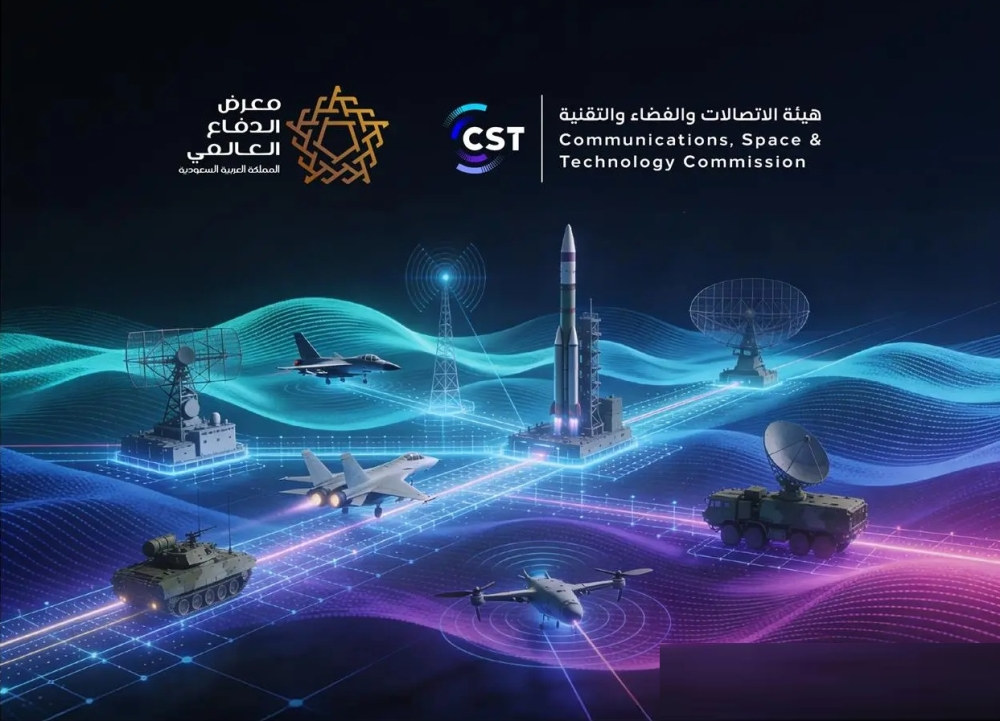
In a move reflecting the Kingdom of Saudi Arabia’s commitment to enhancing its defense and security capabilities and employing the latest technologies, the Communications and Space Technology Commission (CST), in cooperation with several military and security entities, announced the launch of the “Frequency Allocation Plan to Enable Defense and Security Applications.” This significant announcement was made during the World Defense Show 2024, the leading international platform hosted by Riyadh, underscoring the strategic importance of this initiative.
General context and importance of the frequency spectrum
The radio spectrum is a vital and limited national resource, and its importance is steadily increasing with the accelerating pace of global digital transformation. While frequencies are essential for commercial communication services such as 5G networks and the Internet of Things (IoT), they also form the backbone of modern defense and security systems. Advanced radar systems, drones, encrypted military communications, and sensor and surveillance systems rely entirely on the availability of secure, reliable, and interference-free frequency bands. This plan is part of Saudi Vision 2030, which aims to localize military industries and enhance the Kingdom's defense readiness.
Plan objectives and expected impact
The plan primarily aims to increase the efficiency of spectrum utilization allocated to the defense and security sectors and improve its governance in line with the National Spectrum Plan. This plan is expected to have multiple positive impacts at the local, regional, and international levels
- Domestically, the plan will enable the Saudi armed forces and security agencies to adopt and operate the latest global technologies, enhancing their operational and intelligence capabilities. It will also support efforts to localize defense industries by providing the necessary frequency infrastructure for testing and developing systems locally.
- Regionally and internationally, this initiative solidifies the Kingdom's position as a leading nation in spectrum management in the region and demonstrates its commitment to keeping pace with global developments. Furthermore, aligning national policies with the outcomes of the World Radiocommunication Conference (WRC-27) ensures integration with international standards and strengthens international cooperation in this vital field.
Implementation and governance mechanisms
To ensure its objectives are met, the plan is based on a thorough analysis of current spectrum usage and the identification of existing challenges. It also includes establishing clear regulatory frameworks and advanced mechanisms for reallocating and sharing frequency bands among various governmental, military, and civilian entities as needed. To foster dialogue and the exchange of expertise, the Authority held a panel discussion entitled “Enabling Defense and Security Applications through Future Spectrum Plans and Directions.” This session featured a select group of local and international experts from prominent academic and industrial institutions, such as King Saud University, Lockheed Martin, and the Prince Sultan Center for Defense Studies and Research, reflecting the participatory approach the Authority is adopting in implementing this national initiative.