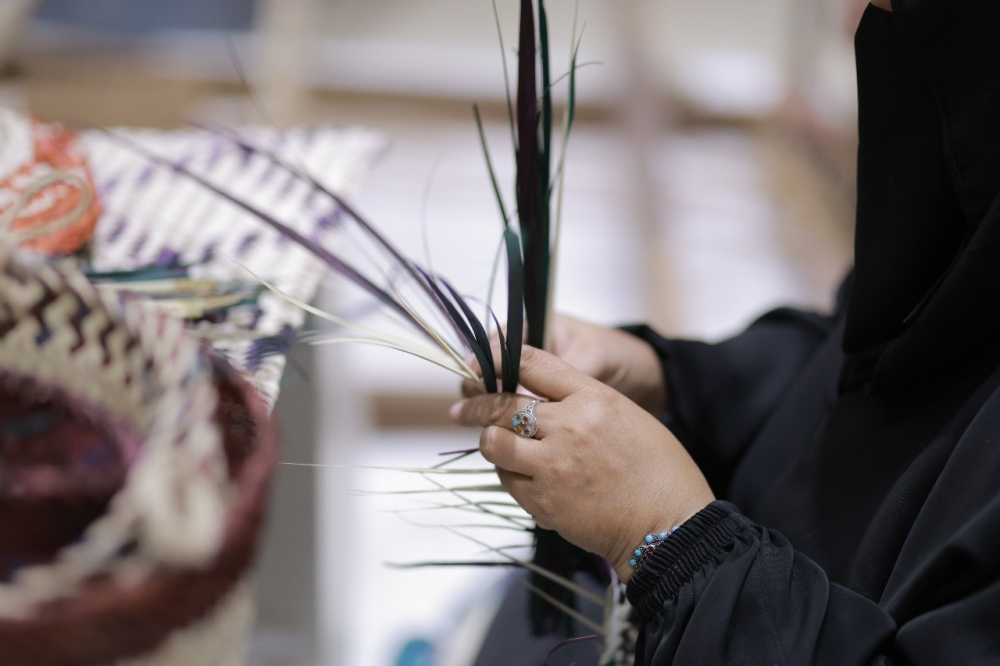
في خطوة تشريعية مفصلية تهدف إلى تعزيز الهوية الوطنية وحماية الموروث الثقافي، أقر مجلس الوزراء السعودي نظام الحرف والصناعات اليدوية، الذي يمثل نقلة نوعية في آليات تنظيم هذا القطاع الحيوي. ويأتي هذا القرار ليضع إطاراً قانونياً شاملاً يضمن حقوق الممارسين، ويحمي المنتج الوطني من المنافسة غير العادلة، مع منح الحرفيين الحاليين مهلة تصحيحية تمتد لعام كامل من تاريخ نفاذ النظام لتسوية أوضاعهم.
سياق تاريخي ورؤية مستقبلية
يأتي صدور هذا النظام متسقاً مع مستهدفات رؤية المملكة 2030، التي أولت اهتماماً كبيراً بقطاع الثقافة والتراث باعتباره أحد ركائز القوة الناعمة والاقتصاد الإبداعي. فلطالما كانت الحرف اليدوية في المملكة العربية السعودية جزءاً لا يتجزأ من الذاكرة الاجتماعية، إلا أن القطاع عانى لسنوات من العشوائية وغياب التنظيم المؤسسي الذي يحمي حقوق الحرفي ويضمن جودة المنتج. ويعد هذا النظام تتويجاً لجهود وزارة الثقافة وهيئة التراث لتحويل هذا القطاع من مجرد هوايات فردية إلى صناعة ثقافية مستدامة تساهم في الناتج المحلي.
تفاصيل النظام: السجل الوطني والترخيص الإلزامي
بموجب النظام الجديد، تتولى هيئة التراث مسؤولية تنظيم القطاع بالكامل، حيث نص التشريع على إنشاء «السجل الوطني للحرفيين»، ليكون قاعدة بيانات مركزية شاملة. وقد ألزم النظام جميع الممارسين بضرورة القيد في هذا السجل كشرط أساسي للحصول على «الترخيص الحرفي»، حيث يُحظر ممارسة أي نشاط تجاري أو تسويق المنتجات اليدوية دون الحصول على هذا الترخيص، مما يضمن القضاء على الممارسات العشوائية.
حظر «المقلد» وحماية السوق
من أبرز ملامح النظام الجديد هو النص الصريح على حظر استيراد أنواع محددة من المنتجات الحرفية اليدوية أو صناعة نماذج مقلدة لها. وتعد هذه الخطوة إجراءً حمائياً ضرورياً لمنع إغراق السوق بالنسخ التجارية الرخيصة المستوردة التي تضر بسمعة المنتج السعودي الأصيل. وسيكون لهذا الحظر أثر اقتصادي مباشر من خلال توجيه القوة الشرائية نحو المنتجات الوطنية، مما يعزز دخل الحرفيين ويشجع الاستثمار في هذا المجال.
الأثر الاقتصادي والثقافي المتوقع
من المتوقع أن يُحدث هذا النظام تأثيراً إيجابياً واسع النطاق على المستويين المحلي والدولي. محلياً، سيساهم في خلق فرص عمل جديدة للشباب والأسر المنتجة، ويعزز من جاذبية القرى والمجمعات الحرفية كوجهات سياحية. أما دولياً، فسيضمن النظام أن المنتجات التي تمثل المملكة في الأسواق العالمية والمعارض الدولية تتمتع بأعلى معايير الجودة والأصالة، مما يرسخ مكانة المملكة كوجهة ثقافية رائدة، ويمنع تشويه التراث الوطني بمنتجات لا تمت للواقع بصلة.
حوافز تشجيعية وعقوبات رادعة
وازن النظام بين التحفيز والضبط؛ فمن جانب، أقر حزمة من الحوافز تشمل مكافآت تشجيعية، ودعم إنشاء جمعيات متخصصة، وتصنيف الحرف ضمن المنشآت الصغيرة لتسهيل حصولها على الدعم والتمويل. كما ركز على جانب التدريب من خلال برامج التلمذة الصناعية لضمان توارث المهارات.
ومن جانب آخر، وضع النظام عقوبات صارمة للمخالفين، تشمل غرامات مالية تصل إلى 20 ألف ريال، وعقوبات إدارية تصل إلى شطب الاسم من السجل الوطني أو إلغاء الترخيص. ومن المقرر أن تدخل اللائحة التنفيذية حيز التنفيذ بعد 120 يوماً من نشر النظام، مما يعطي مهلة كافية للقطاع للاستعداد للمرحلة الجديدة.