A firm commitment to a sustainable future
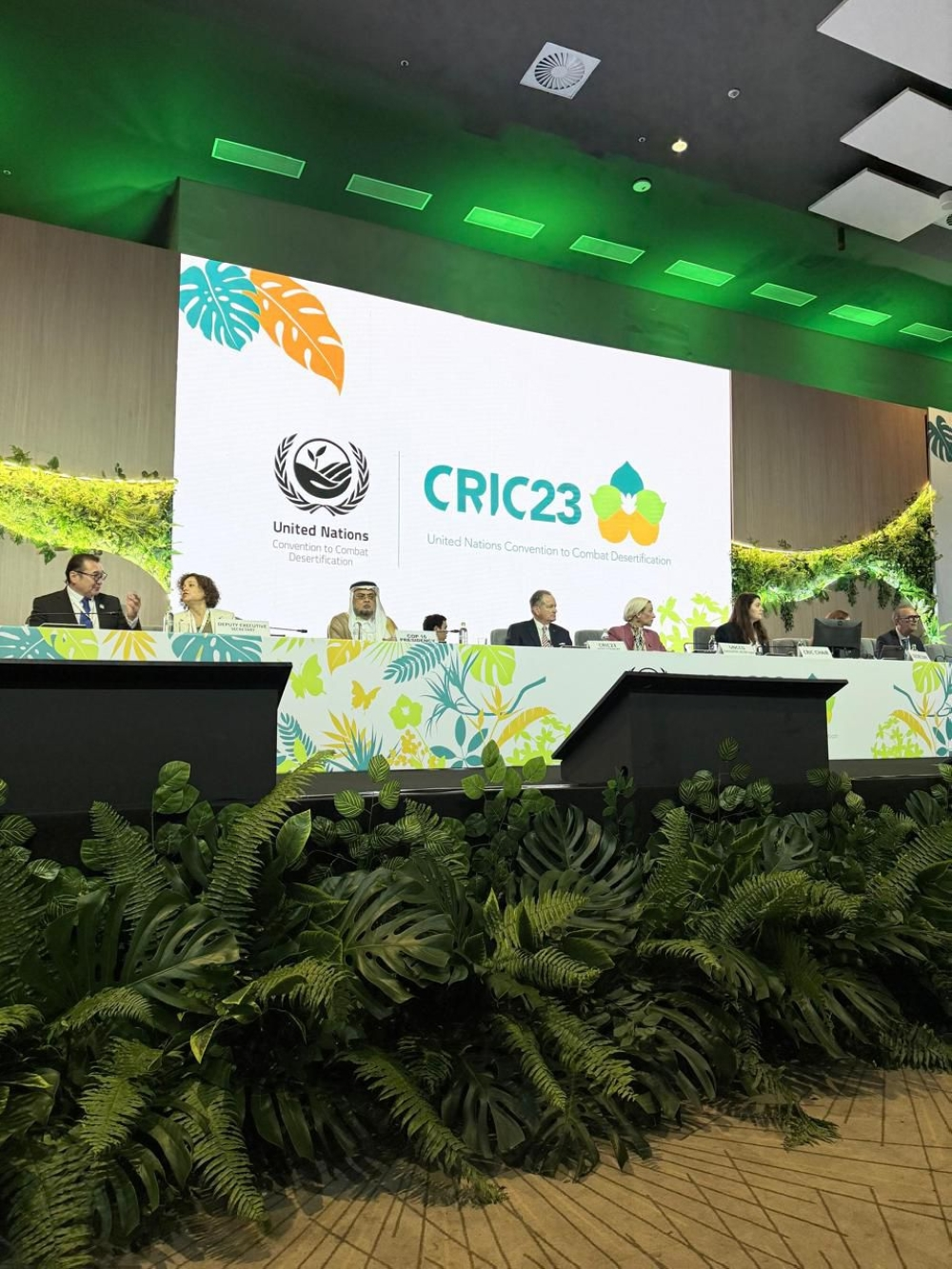
The Presidency of the 16th Conference of the Parties (COP16) to the United Nations Convention to Combat Desertification (UNCCD), held by the Kingdom of Saudi Arabia, reaffirmed its full commitment to accelerating the implementation of the landmark Riyadh Decisions. This reaffirmation came during its active participation in the 23rd session of the Committee for the Review of Implementation of the Convention (CRIC23), held in Panama City, with broad participation from representatives of the 197 States Parties to the Convention. These efforts aim to take concrete steps to support the international approach to combating desertification, promote the restoration of degraded lands worldwide, and lay a solid foundation for future decision-making ahead of the 17th Conference of the Parties (COP17) in Mongolia in 2026.
Historical context and importance of the Convention to Combat Desertification
The United Nations Convention to Combat Desertification (UNCCD), established in 1994, is the only legally binding international legal framework that links the environment with development and sustainable land management. It is one of the “Rio Conventions,” along with the Convention on Biological Diversity and the United Nations Framework Convention on Climate Change. This convention is of paramount importance given that nearly 40% of the planet’s land is degraded, directly impacting half the world’s population and threatening food and water security and economic stability. The Kingdom of Saudi Arabia’s presidency of COP16 comes within the context of its ambitious national efforts, such as the Saudi Green Initiative, which aim to address environmental challenges at both the local and global levels.
Saudi leadership of global momentum
The Kingdom of Saudi Arabia, as the COP16 Presidency, continues to mobilize global momentum to strengthen international cooperation in protecting the land, climate, and nature. During a session in Panama, Dr. Osama Faqeeha, Deputy Minister of Environment, Water and Agriculture for Environment, emphasized that the decisions adopted at the Riyadh Conference in December 2024 laid new foundations for integrated action to address land degradation and drought. He explained that sustainable land management is no longer an option, but a strategic imperative for a more secure and sustainable future. The Panama meeting presents a vital opportunity to assess progress made and translate commitments into concrete policies and practices that ensure the well-being of communities.
Expected impact and work agenda
The implementation of the Riyadh decisions has far-reaching implications at both the regional and international levels. Regionally, these efforts contribute to building resilience against sandstorms, dust storms, and drought in the Middle East. Internationally, land restoration contributes to carbon sequestration, biodiversity protection, and mitigating forced migration resulting from environmental degradation. CRIC23 addressed advanced topics including land tenure, the participation of women, youth, and indigenous peoples, and the launch of the “Optimism Process,” led by the COP16 Presidency, in preparation for the resumption of drought negotiations at COP17. This international engagement underscores the Kingdom’s leading role in achieving the Convention’s objectives through effective implementation tools such as the “Riyadh Agenda for Action” and the “Riyadh Global Drought Resilience Partnership.”.