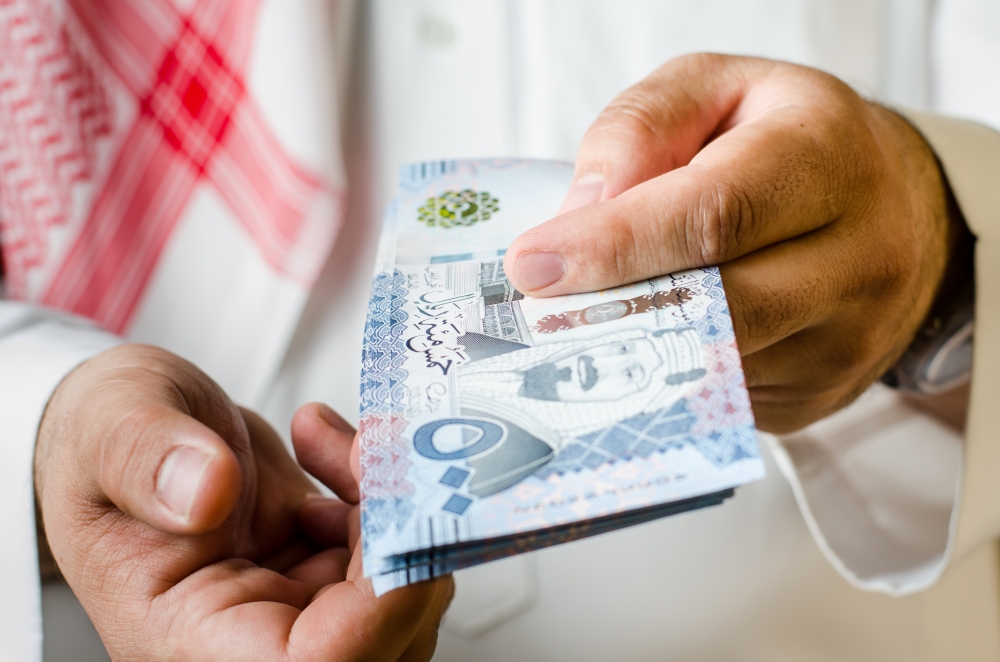
The latest monthly statistical bulletin issued by the Saudi Central Bank (SAMA) revealed continued strong consumer spending within the Kingdom, with point-of-sale transactions (consumer spending) in Saudi Arabia reaching approximately 59 billion riyals during November. These figures reflect the robust purchasing power and the ongoing digital transformation of financial transactions.
Annual growth reflects the strength of the economy
Official data revealed that point-of-sale (POS) sales saw a notable year-on-year increase of 4.5% compared to the same month in 2024, when they reached SAR 56.4 billion. Despite this annual growth, sales experienced a slight month-on-month decrease of 1.4% compared to October 2025, which recorded SAR 59.8 billion. This is a normal fluctuation typically associated with commercial seasons and payday periods.
In terms of operations, approximately 998.3 million point-of-sale transactions were carried out during November, representing a strong year-on-year increase of 10.7%, indicating an increasing reliance by individuals on digital payments even for low-value purchases.
Economic context and digital transformation
These figures cannot be viewed in isolation from the structural economic developments taking place in Saudi Arabia under Vision 2030. The Financial Sector Development Program is a key pillar that has contributed to strengthening the digital payments infrastructure. The expansion of point-of-sale (POS) terminals, which reached 2.3 million in November compared to 1.9 million the previous year, has facilitated access to financial services for all segments of society.
This escalating growth reflects the success of the Kingdom’s strategy to reach a cashless society, as the vision aims to raise the percentage of non-cash transactions to 70% by 2030, which is clearly evident in the dominance of mobile payments and bank cards in the daily scene.
The sectors with the highest consumption
In terms of spending patterns, the food and beverage sector continued to lead with sales of SAR 8.9 billion, underscoring the priority given to essential consumer goods in the shopping basket. This was closely followed by the restaurants and cafes sector, with sales reaching SAR 7.1 billion, reflecting the vibrant lifestyle and thriving entertainment and hospitality sector in the Kingdom.
Other sectors also recorded remarkable figures, where:
- Sales of clothing and accessories reached 5.4 billion riyals.
- The transportation sector recorded sales of 4.3 billion riyals.
- Fuel stations achieved sales of 4.2 billion riyals.
- The health sector's spending amounted to 3.6 billion riyals.
Mobile payment dominance
Statistics indicate a radical shift in consumer behavior towards using smartphones for payments. Mobile payments accounted for the lion's share of transactions, registering 551.6 million, compared to 410.4 million transactions using traditional plastic cards. This numerical dominance of mobile transactions confirms the success of NFC technologies and digital wallets in gaining the trust of Saudi consumers due to their ease and speed.
Expected economic impact
Point-of-sale (POS) data is a key indicator of consumer confidence and the economic performance of the non-oil private sector. Stable spending at levels close to SAR 60 billion per month points to a healthy economic cycle, which supports the retail and services sectors and enhances the attractiveness of the Saudi market for foreign and domestic investment in the retail and financial technology (FinTech) sectors.