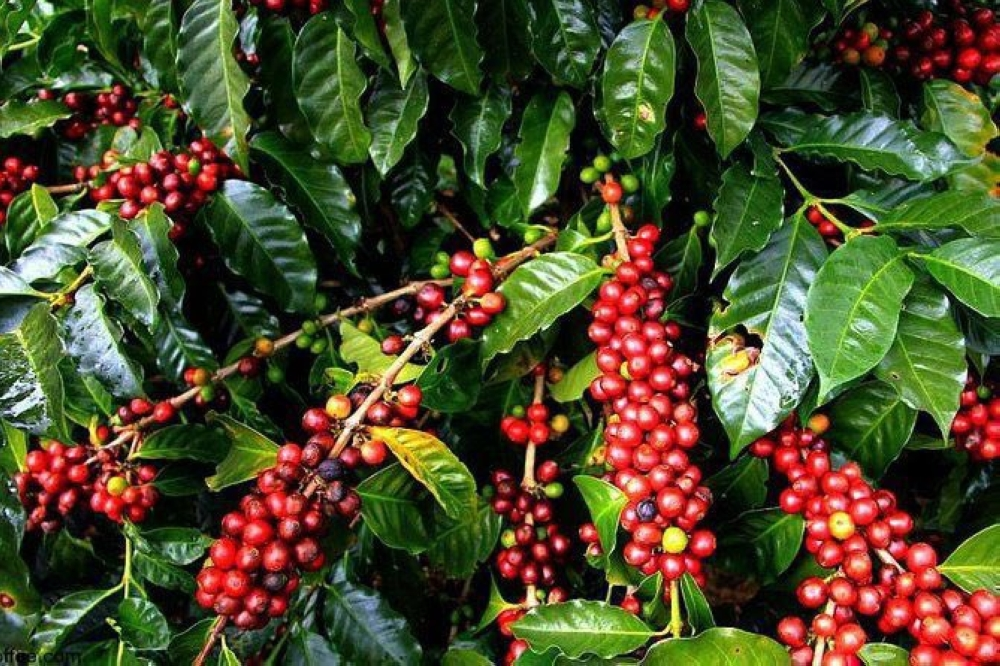
With the arrival of the holy month of Ramadan, Saudi heritage is enriched by the prominent presence of local coffee, which is not merely a traditional beverage gracing tables, but also represents a deeply rooted cultural and social legacy. The Ministry of Environment, Water and Agriculture affirmed that Saudi coffee is one of the most important national agricultural crops, combining economic value with cultural significance, and its preparation and presentation are diverse, reflecting the Kingdom's renowned hospitality.
Historical background and rich cultural heritage
Coffee cultivation in southern Saudi Arabia has been practiced for centuries, particularly the "Khawlani Saudi Coffee," named after the Khawlani tribes. This cultivation is not merely an economic activity, but a rich tapestry of knowledge and traditions passed down through generations, from planting seedlings on mountain terraces to the rituals of harvesting, roasting, and serving. In recognition of this unique cultural value, the United Nations Educational, Scientific and Cultural Organization (UNESCO) inscribed "Knowledge and Practices Associated with the Cultivation of Saudi Khawlani Coffee" on the Representative List of the Intangible Cultural Heritage of Humanity in 2022, further enhancing its international standing.
Figures and statistics that support growth
As part of its awareness campaign, “Our Land’s Bounty,” the Ministry revealed figures reflecting the size of this promising sector. The Kingdom’s main coffee-growing regions—Jazan, Asir, Al-Baha, Makkah, and Najran—are home to over 1.3 million fruit-bearing coffee trees. These trees collectively produce more than 870 tons of pure coffee annually. The Jazan region leads the way with over 966,000 fruit-bearing trees, producing more than 642 tons. It is followed by the Asir region, which has over 243,000 trees and produces approximately 175 tons, and then the Al-Baha region with around 72,000 trees. The Makkah region contributes more than 12,000 trees producing 10 tons, and Najran with more than 9,000 trees producing 7 tons of pure coffee.
Strategic importance and economic impact
The Kingdom of Saudi Arabia places strategic importance on the coffee sector, in line with the goals of Vision 2030, which aims to diversify the economic base and achieve food security. Through support programs such as the “Reef” program, the government seeks to empower local farmers, develop farming methods, and increase productivity and quality. Supporting local produce not only reduces reliance on imports but also creates sustainable job opportunities in rural areas and boosts farmers' incomes. Furthermore, efforts such as the “Year of Saudi Coffee 2022” initiative aim to market Saudi coffee globally as a premium, high-quality product, opening new markets and supporting national exports.
In this context, the ministry called on consumers to buy national coffee products, not only for their rich nutritional benefits, but also for their vital role in supporting local farmers, boosting the national economy, and contributing to achieving a sustainable agricultural future for the Kingdom.