In a significant regulatory step aimed at enhancing the stability and efficiency of the financial sector, the Saudi Central Bank (SAMA) has released a draft of the "Rules for Regulating the Practice of Managing and Operating Cash Centers," inviting public feedback and comments. This initiative falls within the bank's supervisory and regulatory powers over financial institutions and its ongoing efforts to develop the Kingdom's financial infrastructure in line with international best practices.
The new rules aim to establish a clear and comprehensive regulatory framework for a vital activity related to cash management in the economy, which supports transparency, enhances confidence, and contributes to achieving the objectives of the Financial Sector Development Program, one of the main pillars of Saudi Vision 2030.
General context and importance of the decision
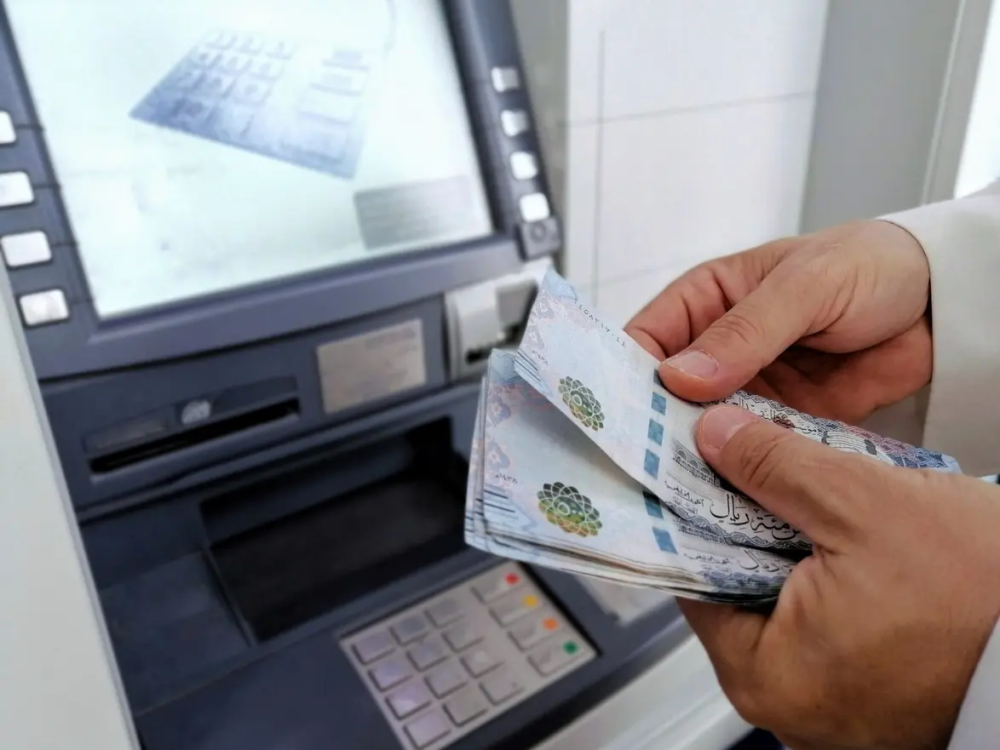
Cash centers are a vital component of the cash circulation cycle, undertaking critical tasks such as receiving, sorting, counting, storing, and distributing cash on behalf of banks, financial institutions, and large corporations. Historically, these operations have been conducted with varying standards, necessitating a unified regulatory framework to ensure the highest levels of security and efficiency. This regulation comes at a time when the Kingdom is undergoing a comprehensive economic transformation, striving to strengthen its position as a regional financial hub, which requires a robust and reliable financial infrastructure.
Key features of the new rules
The draft includes a set of strict requirements aimed at fully regulating this sector, most notably:
1. Licensing and Governance Requirements
The new regulations require any entity wishing to engage in this activity to obtain prior authorization from the Central Bank. The entity must be structured as a joint-stock company or a limited liability company, and must meet the integrity and suitability standards set by the Central Bank to ensure that these centers are managed by competent and reputable entities. The draft also mandates that applicants submit a comprehensive package of documents, including an economic feasibility study, audited financial statements, and a credit report demonstrating financial solvency.
2. Technical and operational specifications
Perhaps the most significant aspect of the new regulations is the prohibition of using any manual operating system in cash counting and sorting operations. The rules mandate that cash processing centers be equipped with fully automated counting and sorting systems and machines, possessing the highest technical specifications capable of detecting damaged and counterfeit banknotes. They also emphasize the necessity of having a comprehensive electronic system covering all operational processes, compliant with the cybersecurity policies issued by the relevant authorities to ensure information security and protection.
3. Security and safety requirements
The regulations placed significant emphasis on security aspects, stipulating compliance with civil defense requirements, the implementation of a security camera system, and the provision of secure cash vaults. The Central Bank was also granted the authority to conduct site visits to proposed locations before issuing licenses to ensure their readiness and adherence to the required standards.
Expected impact on the Saudi economy
These rules are expected to have multiple positive impacts at the local and regional levels:
- Domestically, these measures will enhance the security and reliability of cash handling, and reduce operational risks associated with human error or fraud. They will also improve the efficiency of the money supply cycle within the economy and provide the central bank with accurate data on the volume of circulating liquidity, thus supporting sound monetary policy decisions.
- Regionally and internationally, this trend reflects the Kingdom's commitment to implementing international standards in its financial sector, particularly those related to combating money laundering and the financing of terrorism. The existence of a well-regulated monetary management sector enhances the confidence of investors and international financial institutions in the Saudi economy and reinforces the Kingdom's position as a safe and advanced investment destination.
In general, this project represents a proactive step by the Saudi Central Bank to ensure that the financial sector keeps pace with the requirements of economic growth and digital transformation that the Kingdom is witnessing, thus ensuring the building of a robust, transparent and secure financial sector.