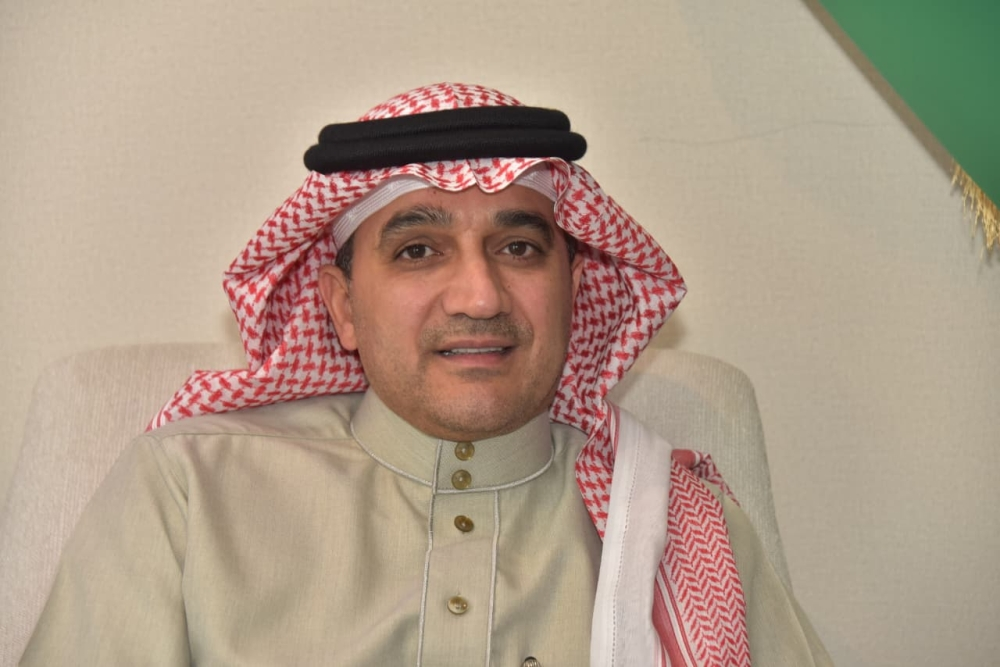
The Executive Director of the Saudi Cancer Society in the Eastern Province, Essam Al-Jaafari, revealed that the society achieved significant advancements in its services during 2025, confirming that the total number of beneficiaries of its awareness, treatment, and logistical programs has exceeded 2.5 million people since its establishment. This came during an exclusive interview with Al-Youm newspaper, in which Al-Jaafari reviewed the annual report, which reflects the society's commitment to providing comprehensive and sustainable care for cancer patients and their families, and to promoting awareness of the importance of early detection in the community.
Historical background and future vision
The Saudi Cancer Society was established in the Eastern Province in 2003 as the first specialized cancer society in the Kingdom. Since then, it has been dedicated to alleviating the suffering of patients and providing them with the necessary support. The Society's efforts are directly aligned with the goals of Saudi Vision 2030, particularly the "Vibrant Society" pillar, which aims to improve the quality of life and enhance the level of healthcare services provided to citizens and residents. The Society acts as a key partner to the government healthcare sector, contributing to bridging gaps and providing essential complementary services.
Early detection: the cornerstone of increasing recovery rates
Al-Jaafari emphasized that early detection remains the most powerful weapon in the fight against cancer. In this context, the strategic partnership with Saudi Aramco has yielded record results, with mobile medical units equipped with the latest technology screening more than 20,000 beneficiaries at their workplaces and communities. He explained that this initiative is not limited to screening but also includes intensive awareness programs, which have doubled to reach 206 educational programs by 2025, thus raising community awareness and encouraging the adoption of healthy lifestyles.
Logistical and psychological support: care that goes beyond treatment
Recognizing the challenges faced by patients coming from outside Dammam and Khobar for treatment, the association addressed the accommodation issue by providing over 6,300 free hotel nights. To ensure patients could adhere to their treatment appointments without difficulty, 1,200 safe transportation trips were arranged. The association also provided in-home support, offering hourly domestic help through 1,300 visits to assist patients with household chores, in addition to distributing over 2,000 medical and assistive devices to support patients' independence and improve their quality of life.
Quality initiatives to promote mental and spiritual health
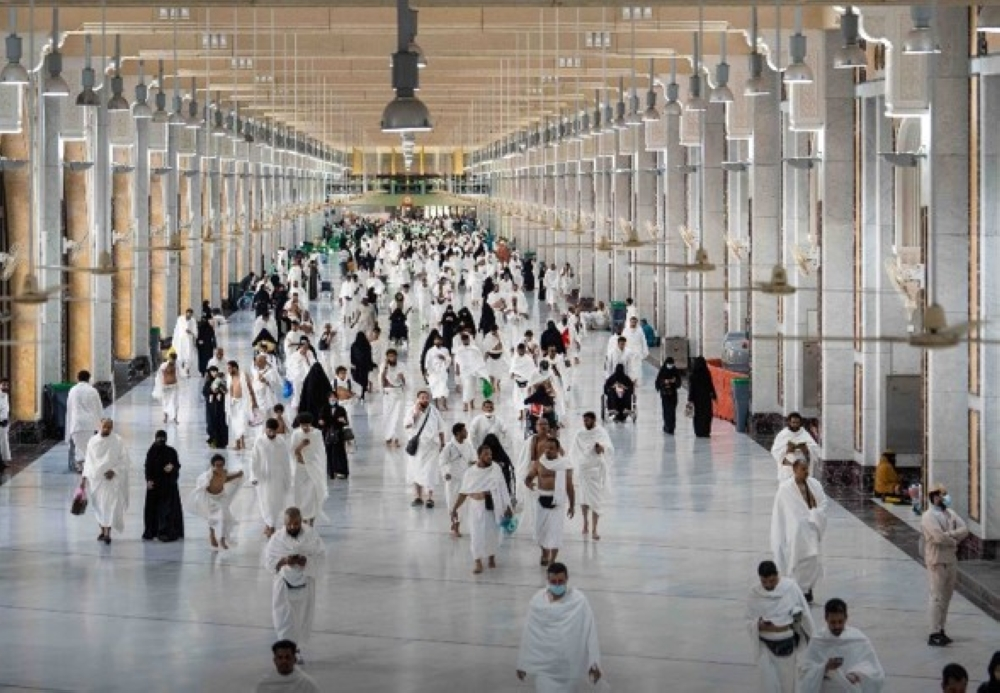
Al-Jaafari pointed out that psychological support is no less important than medical treatment. From this perspective, the "Day of Happiness" hall emerged as a symbol of psychological support, bringing together recovered patients and newly diagnosed patients to exchange experiences and share hope. This integrated therapeutic environment has proven effective in improving patients' response to treatment. On the spiritual level, the association organized religious trips to perform Umrah and visit Medina, benefiting 279 patients and their companions, which had a profound impact on boosting their morale and granting them peace and tranquility.
Community impact and growing trust
The numbers reflect the high level of trust the association enjoys; the number of strategic partners from the public and private sectors has risen to 216, and the volunteer database has exceeded 25,000 individuals who contributed more than 13,000 volunteer hours in a single year. This steady growth underscores the association's success in building a sustainable institutional model based on transparency and credibility, positioning it among the leading non-profit organizations at both the local and regional levels, and contributing to the achievement of the Sustainable Development Goals related to health and well-being.