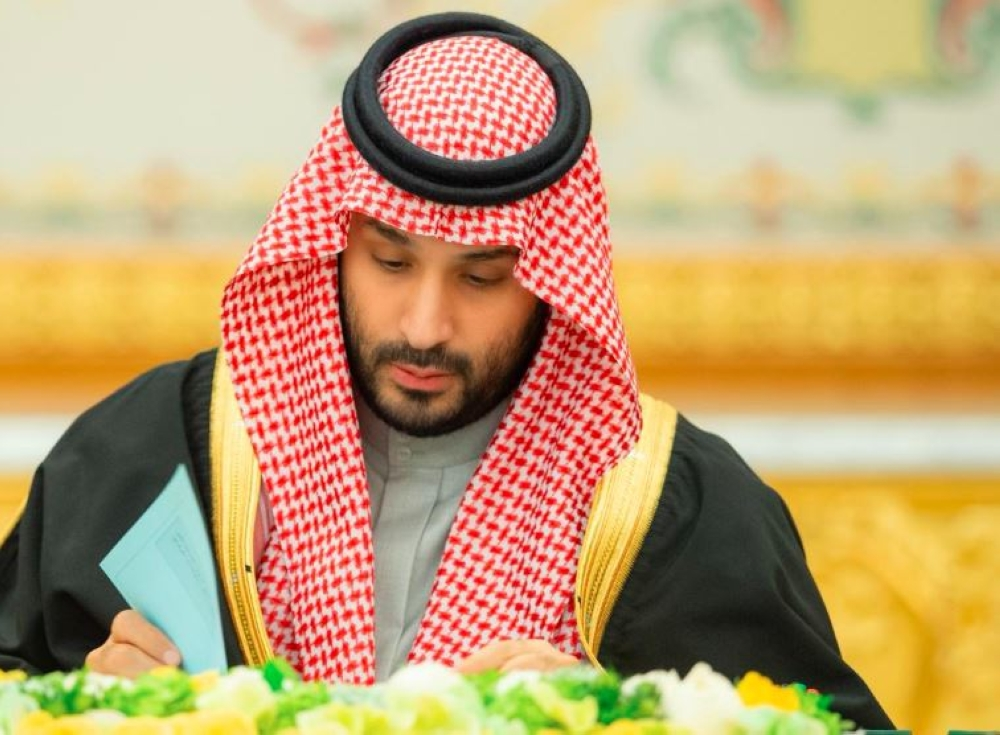
In a strategic move aimed at strengthening the legislative environment that supports the creative and knowledge-based economy, the Saudi Cabinet, during its session held today in Riyadh, chaired by His Royal Highness Prince Mohammed bin Salman bin Abdulaziz Al Saud, Crown Prince and Prime Minister, approved the new Copyright Law. This decision comes as part of the modernization and development process the Kingdom is witnessing in all fields, in line with the objectives of Vision 2030.
Historical background and importance of the new system
Copyright protection is a cornerstone of building an innovation-driven economy. The Kingdom has been implementing the Copyright Protection Law, issued by Royal Decree in 1424 AH (2003 CE), which established the legal framework for protecting literary and artistic works. With the significant transformations the world has witnessed in the past two decades, particularly in the digital and information technology sectors, the need has arisen to update this legislative framework to align with new challenges and opportunities. The new law aims to provide more comprehensive and effective legal protection for creators and authors across various fields, from literature, music, and visual arts to computer programs and databases, thereby guaranteeing their material and moral rights and encouraging them to continue their intellectual production.
Expected impact at the local and international levels
The adoption of the new copyright law is expected to have far-reaching positive effects. Domestically, the law will encourage Saudi talent to innovate and produce original content, while ensuring they receive both financial and intangible benefits for their work. It will also enhance the attractiveness of the culture, entertainment, and media sectors to local and foreign investment, leading to the creation of new jobs and the diversification of national income sources. Internationally, this legislative update reinforces the Kingdom's position as a safe and reliable investment environment that respects international intellectual property standards, encouraging major global technology, media, and entertainment companies to establish regional headquarters and expand their operations in the Saudi market.
Key decisions from the Cabinet meeting
In addition to approving the copyright law, the Cabinet session addressed a number of important local and international issues. His Royal Highness the Crown Prince opened the session by informing the Cabinet of the contents of the message he received from His Majesty the King of the Kingdom of Bahrain, which reflects the depth of bilateral relations between the two countries.
On the regional front, the Council reaffirmed the Kingdom’s commitment to supporting the Gaza Peace Council’s mission to end the conflict and achieve stability in the region. The Council also commended the Kingdom’s delegation’s participation in the World Economic Forum in Davos and welcomed Riyadh’s hosting of the Forum’s international meeting next April, which underscores the Kingdom’s pivotal role in promoting global economic stability.
The Council’s decisions also included approval of a number of international agreements and memoranda of understanding, including cooperation with Turkey in the fields of energy, civil defense and social services, and with Morocco in encouraging investments, in addition to agreements in the field of air transport with several countries, reflecting the Kingdom’s keenness to strengthen its international partnerships.
The decisions also included appointments and promotions in senior positions, and the approval of the final accounts of a number of government bodies, reflecting the continuity of institutional work and driving development in various sectors.