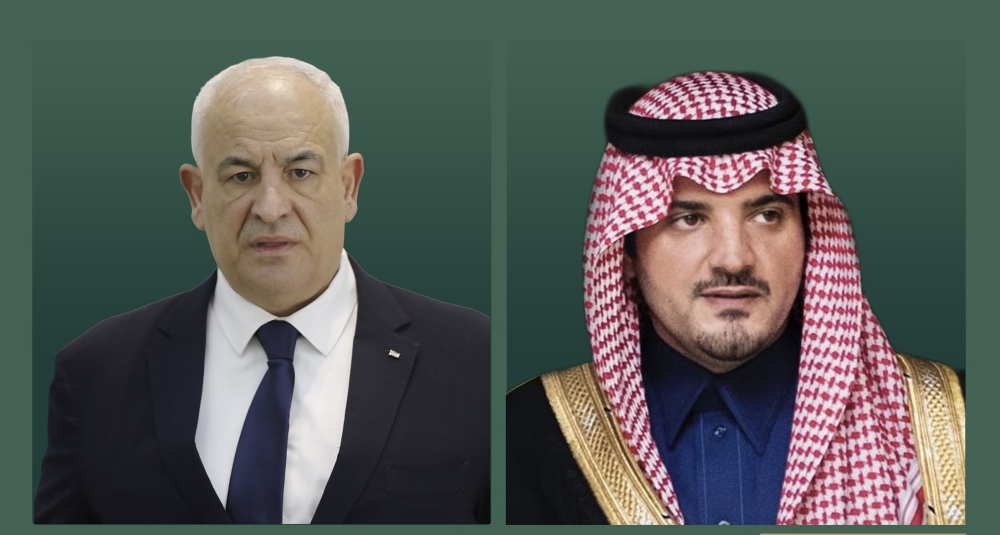
As part of ongoing diplomatic efforts to bolster regional stability, His Highness Prince Faisal bin Farhan bin Abdullah, the Saudi Minister of Foreign Affairs, held a telephone conversation today with his counterpart, His Excellency Dr. Abdullatif bin Rashid Al Zayani, the Minister of Foreign Affairs of the Kingdom of Bahrain. These important discussions focused on current developments in the region , with both sides reviewing the rapidly evolving regional and international landscape. This call underscores the depth of the strategic relationship between Riyadh and Manama and the commitment of both leaderships to continued bilateral coordination and ongoing consultations on all issues of mutual interest.
Roots of strategic cooperation and shared destiny
Saudi-Bahraini relations are based on deep-rooted historical foundations and strong fraternal ties that stretch back through the ages. The Kingdom of Saudi Arabia and the Kingdom of Bahrain have long been a cornerstone of the Gulf Cooperation Council (GCC), sharing similar visions on various regional and international issues. Historically, the two countries have worked side-by-side to confront the security and political challenges that have plagued the Middle East, relying on the principle of shared destiny and joint Gulf action.
This ongoing coordination is not a product of the moment, but rather an extension of decades of strategic alliance aimed at protecting national gains and supporting the comprehensive development process in both countries, making any consultation between them a necessary step to unify ranks and coordinate positions in international forums.
The implications of bilateral coordination on current developments in the region
These diplomatic talks are of paramount importance given the delicate circumstances in the Middle East. Saudi-Bahraini coordination plays a vital role in forging a unified Gulf and Arab stance capable of addressing the rapidly evolving security and political challenges. Domestically, this cooperation strengthens the national security of both countries and bolsters economic stability. Regionally, the convergence of visions between Riyadh and Manama sends reassuring messages to the people of the region, affirming that the Gulf states stand as a bulwark against any external interference aimed at destabilizing the region.
Moreover, the impact of this coordination extends to the international arena, where global powers view Saudi Arabia as a cornerstone of regional security. These efforts coincide with broader diplomatic initiatives, as Saudi diplomacy continues its intensive engagement with various international actors to ensure de-escalation and support peaceful resolutions to conflicts. The continuation of this consultative approach guarantees the protection of vital Arab interests and lays the foundation for a new era of stability and prosperity in the face of all challenges.
Proactive diplomacy as a Gulf approach
The Kingdom of Saudi Arabia and the Kingdom of Bahrain adopt a proactive diplomatic approach based on dialogue and peaceful solutions to address crises. Amidst geopolitical tensions, these bilateral contacts are crucial as an effective tool for exchanging information and accurately assessing risks. Joint efforts between the two countries' foreign ministries contribute to developing comprehensive strategies that extend beyond political aspects to include security and economic cooperation, creating a secure and attractive regional environment for investment. This approach reflects the wisdom of the leadership in both countries and their deep understanding that regional security is indivisible and that close cooperation is the best way to overcome obstacles and achieve sustainable development for the peoples of the region.