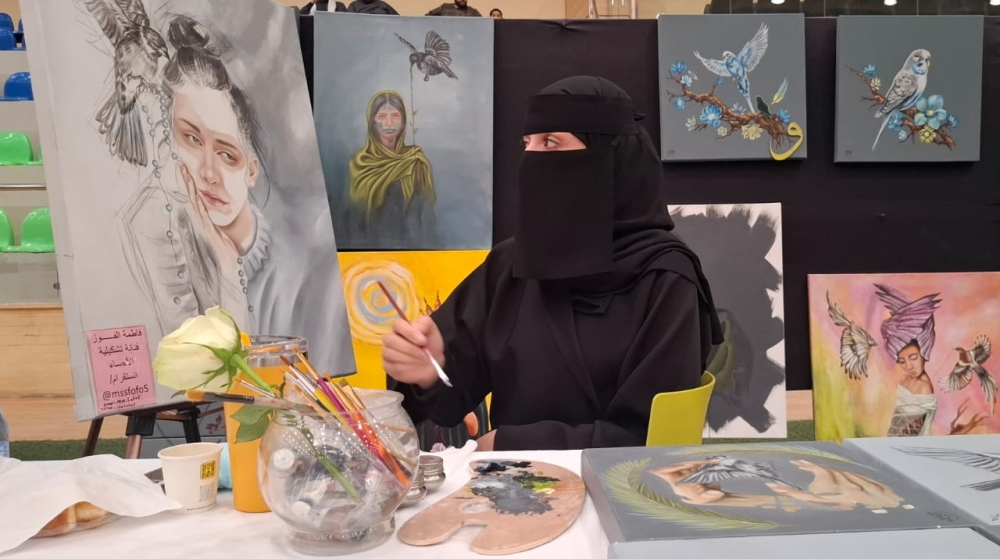
In the heart of Al-Ahsa Governorate , an oasis rich in cultural heritage, visual artist Fatima Al-Fawz as a unique artistic voice. She embarks on a distinctive journey, redefining the Surrealist school with an authentic local touch. Through her paintings, Al-Fawz blends dreamy "bird" symbols with the memory of palm trees deeply rooted in the region's identity, proclaiming an ambitious vision that transcends the canvas to establish a specialized art academy dedicated to nurturing children's creative dreams.
Surrealism in its global and local context
Fatima Al-Fawz draws her vision from Surrealism , an artistic and cultural movement that emerged in Europe in the 1920s, spearheaded by the poet André Breton. Surrealism aimed to unleash the subconscious mind and dreams, transcending the boundaries of logic and material reality. While international Surrealism explored the human psyche abstractly, Al-Fawz adapts this approach to reflect her environment, where dreams and the unconscious become inextricably linked to the history and nature of Al-Ahsa, lending her work a unique cultural depth.
This artistic renewal comes at a time when the Saudi cultural scene is experiencing unprecedented growth, bolstered by Vision 2030 , which places culture and the arts at the heart of its development goals. This winning experience not only represents a personal milestone but also contributes to enriching the contemporary Saudi art movement, presenting artistic models that blend tradition and modernity.
A unique visual language: birds, palm trees, and women
In her artistic identity, Al-Fawz draws on a blend of surrealism and expressionism, moving away from a photographic imitation of reality. She reveals the secret behind the recurring symbolism of the "bird" in her works, describing it as a central element embodying diverse human emotions; it may be a message of peace or a symbol of anxiety, leaving the interpretation to the viewer's understanding. Furthermore, the presence of women in her paintings transcends gender boundaries, becoming a universal human vessel encompassing all human emotions, thus making her works an open space for interpretation.
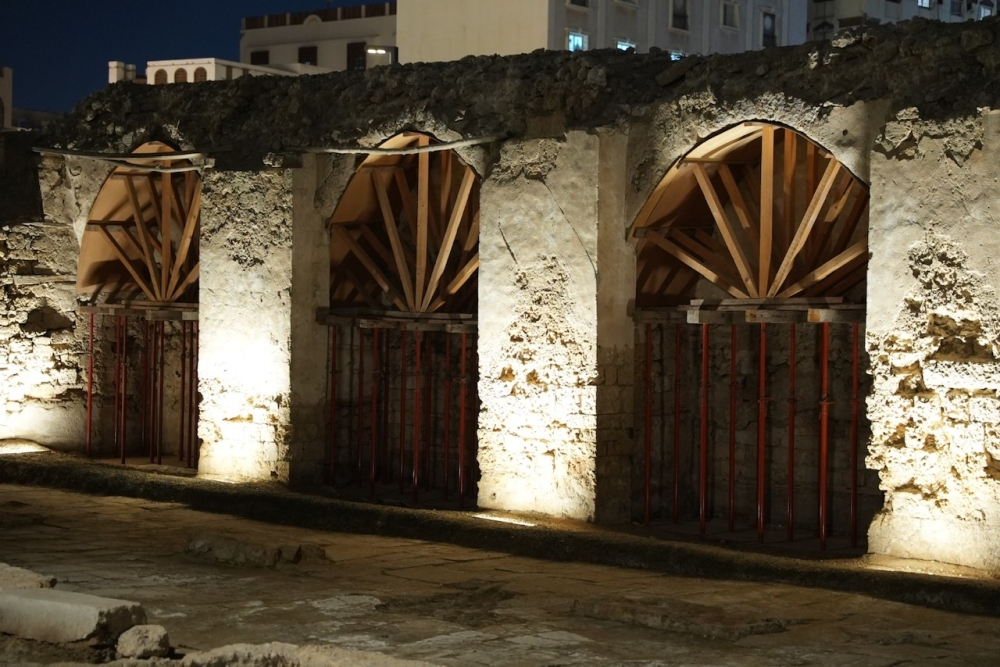
The artist employs elements of the Al-Ahsa environment, specifically the palm tree, as deeply rooted backgrounds that blend with surrealist symbols, offering a visual window that expresses memory and place in a contemplative style. This vision is evident in her prominent painting “The Springs of Al-Ahsa,” which connects the historical abundance of water springs with the flourishing of palm trees, evoking the Qaysariyah Gate as a testament to the area's authenticity.
An art academy to nurture children's dreams
Fatima Al-Fawz believes that talent is innate and requires early nurturing. Based on this belief, she plans to establish a private art academy dedicated to teaching children the fundamentals of art. This strategic project aims to cultivate young talents that might otherwise fade without guidance, guiding them towards sustainable professional paths. The academy will hone their skills using stimulating methods that build their self-confidence and empower them to express themselves freely, thus ensuring the continuity of artistic creativity in the region.
Local and international presence
Al-Fawz's journey wasn't limited to the local scene; it extended to prominent international participations, including exhibitions in the Kingdom of Bahrain in collaboration with artist Khalifa Shuwaiter, in addition to her active involvement with cultural and arts societies in Dammam and Al-Ahsa. Her first solo exhibition, "On a Bird's Wound," marked a turning point in her career, presenting a profound visual experience that engages the mind and invites the audience to interact with the artwork. Al-Fawz emphasizes that, in her view, art is not merely a reproduction of reality, but rather a process of constructing visual narratives that respect the viewer's intellect and stimulate their imagination.