Saudi Arabia welcomes the ceasefire in Syria
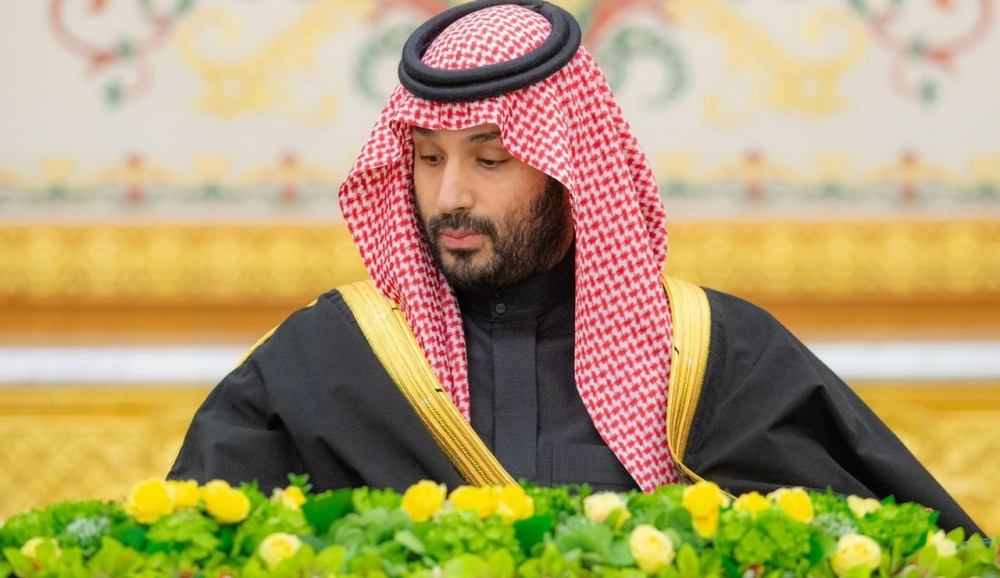
In its session held in Riyadh, chaired by His Royal Highness Prince Mohammed bin Salman bin Abdulaziz Al Saud, Crown Prince and Prime Minister, the Saudi Cabinet commended the positive response from the Syrian government and the Syrian Democratic Forces (SDF) to the efforts exerted by the Kingdom of Saudi Arabia and the United States of America to reach a ceasefire agreement. The Cabinet expressed its hope that this agreement will contribute to supporting Syria's progress towards achieving peace, security, and stability, fulfilling the aspirations of its brotherly people, and strengthening its national unity.
Background of the conflict and the importance of the agreement
This agreement comes amid the complex and protracted conflict in northern and eastern Syria, where the Syrian Democratic Forces (SDF), a US-backed alliance of Kurdish and Arab factions, control vast swathes of oil-rich territory. Relations between the SDF and the Syrian government have been marked by periods of tension and sporadic clashes, particularly over areas of control and natural resources. The ceasefire aims to prevent a wider escalation that could threaten the already fragile stability of the region, opens the door to political dialogue to address outstanding contentious issues, and protects the lives of civilians who have long suffered the ravages of war.
Regional and international dimensions of mediation
Saudi Arabia’s active mediation, in coordination with the United States, reflects the Kingdom’s growing diplomatic role in the region and its persistent efforts to find political solutions to regional conflicts. This move comes within the framework of the Kingdom’s new policy toward Syria following its return to the Arab League, a policy based on supporting peaceful solutions and preserving Syria’s territorial integrity. Internationally, the agreement represents a rare positive step in the Syrian crisis and underscores the importance of concerted diplomatic efforts among influential regional and international powers to achieve stability and prevent renewed conflict.
Regional developments and local decisions
In addition to the Syrian issue, the Cabinet discussed the latest developments in the region, emphasizing the contents of the Arab-Islamic ministerial statement that condemned the Israeli occupation forces' violations of the ceasefire in Gaza, stressing the need to move forward towards a just and comprehensive peace that guarantees the establishment of an independent Palestinian state. Domestically, the Cabinet reviewed the outcomes of several important conferences and initiatives hosted by the Kingdom, such as the "Green Middle East" initiative, which has grown to include 35 member states, the Future Real Estate Forum, and the Saudi Media Forum, affirming the role of these events in achieving the goals of Vision 2030. The Cabinet also approved a package of international agreements and memoranda of understanding aimed at strengthening cooperation in various fields, including the economy, culture, justice, and transportation, as well as approving the Kingdom's National Policy for the Arabic Language.