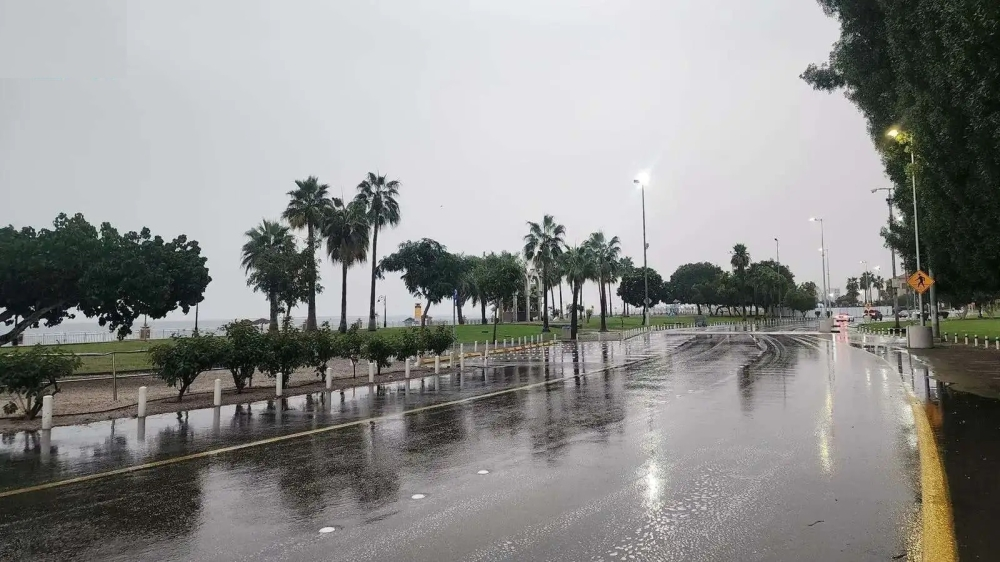
A widespread weather system is affecting most regions of the Kingdom
The National Center for Meteorology announced that the Kingdom of Saudi Arabia will be affected by a state of atmospheric instability, with its effects beginning today, Wednesday, and continuing until Thursday. This instability will bring varying intensities of rainfall, potentially leading to flash floods, as well as hail and strong winds. The affected area includes seven major regions: Asir, Al-Baha, Jazan, Makkah, Al-Qassim, Riyadh, and the Eastern Province, necessitating increased vigilance and caution.
Climate context and the importance of early warnings
This rainfall comes amidst global climate change, which has impacted weather patterns in the Arabian Peninsula. While the Kingdom's climate is predominantly arid and desert, recent years have witnessed an increase in the frequency of extreme weather events, both in terms of rainfall intensity and storm severity. The National Center of Meteorology plays a vital role in this context, monitoring weather changes around the clock and issuing advanced warnings through its early warning system. This contributes to protecting lives and property and enables relevant authorities, such as Civil Defense and Highway Patrol, to take the necessary precautions to respond to any emergency.
Weather details and issued warnings
The center explained that the peak of the weather event would be Wednesday afternoon, and issued a series of advanced warnings, particularly for the eastern region, which is expected to experience severe weather phenomena. The warnings were categorized into two levels:
- Orange alert: Begins at 2:00 PM and includes the northern and inland governorates of the Eastern Province, such as Hafr Al-Batin, Al-Khafji, Al-Nairiyah, and Qaryat Al-Ulya. This area is warned of moderate to heavy rainfall, strong winds that may lead to reduced visibility, a high probability of hail and flash floods in valleys and low-lying areas, as well as thunderstorms.
- Yellow alert: Begins at 3:00 PM and covers coastal cities such as Dammam, Khobar, Qatif, Jubail, and Ras Tanura, extending to Al-Ahsa and Abqaiq. Forecasts in this area indicate light to moderate rainfall accompanied by active winds that will stir up dust and sand, causing a significant decrease in horizontal visibility.
Expected impacts and the importance of preparedness
This weather system is expected to have a direct impact on daily life, as heavy rains and flash floods may cause road closures, particularly in low-lying areas and valleys. Reduced visibility poses a risk to traffic, requiring drivers to exercise extreme caution and adhere to speed limits. Environmentally, these rains are vital for replenishing groundwater and revitalizing vegetation, but their intensity could lead to soil erosion. The National Center of Meteorology has emphasized the importance of staying updated through its official channels, avoiding floodplains and open areas during thunderstorms, and following safety guidelines issued by the relevant authorities to ensure everyone's safety.