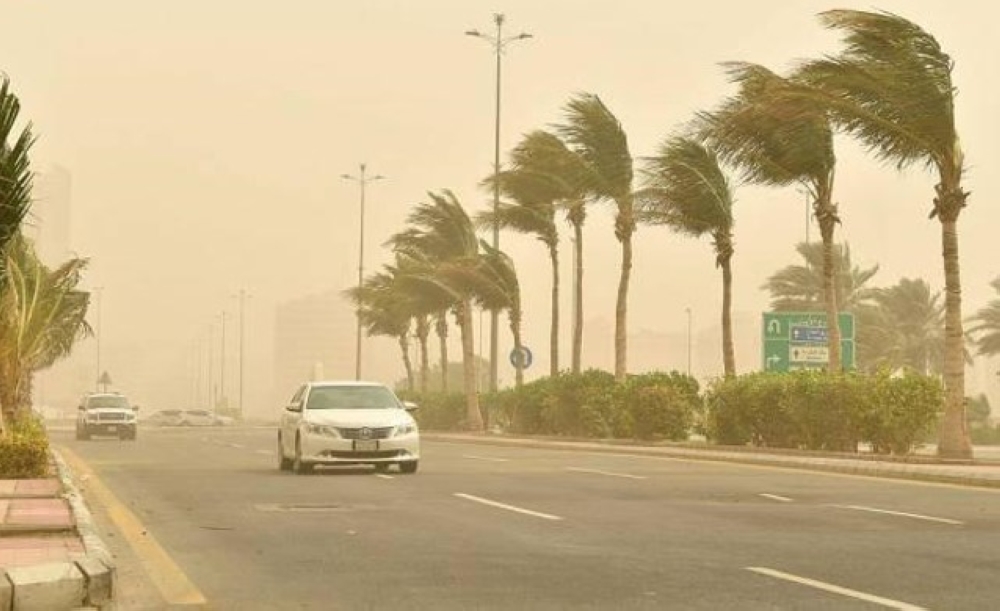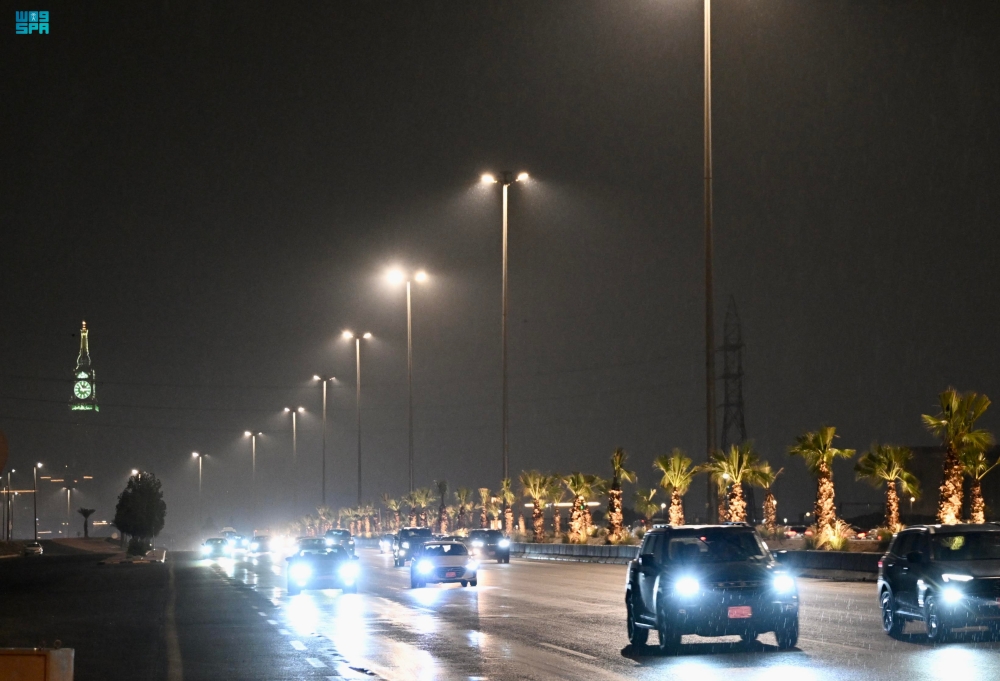
weather in Saudi Arabia is experiencing positive fluctuations, with light to moderate rain falling this morning across various parts of the Kingdom, particularly in the Hail and Makkah regions. This rainfall brings a refreshing atmosphere and helps to moderate temperatures, reflecting the diverse climates that characterize the Kingdom's different regions during this time of year.
Weather details in Saudi Arabia and its impact on Hail
In detail, the rain that fell this morning included the city of Hail and a number of its surrounding governorates, centers, and villages. This rainfall led to the flow of wadis and streams, creating stunning natural scenes that attracted residents and visitors alike. The chance of more rain remains, as forecasts and meteorological monitoring indicate that the rainy weather will continue until 11:00 PM. Citizens and residents are advised to exercise caution while driving on wet roads and to stay away from flood-prone areas.
Blessed rains water Mecca
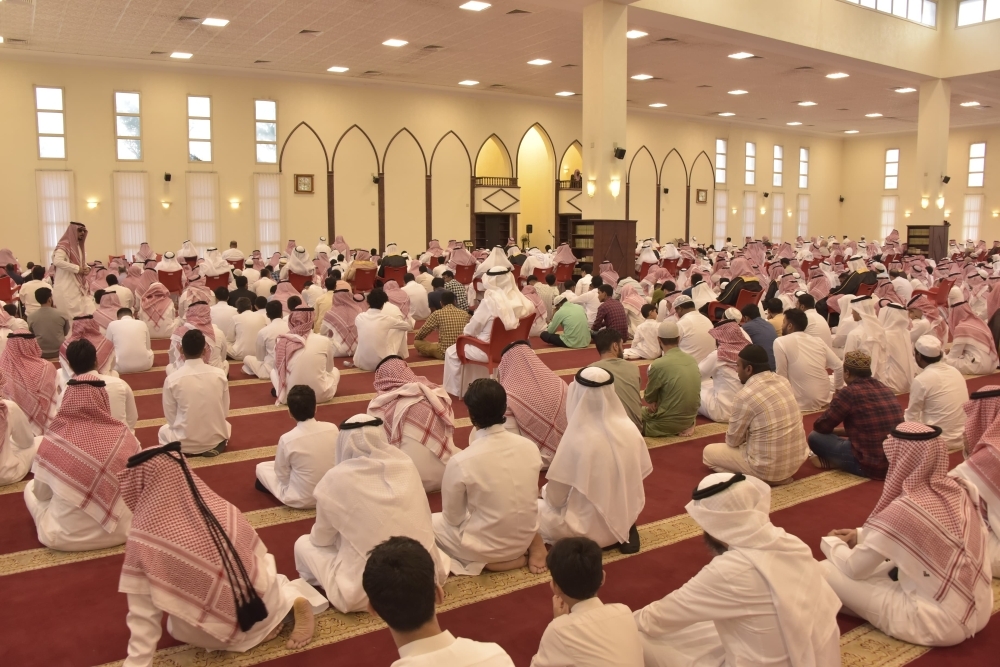
Meanwhile, light rain fell today in scattered areas of Mecca, adding a spiritual and beautiful touch to the holy city. Residents and visitors to the Grand Mosque welcomed the rain, praying that it would be a blessing and that its benefits would extend throughout the land. These showers in Mecca are part of the periodic weather changes that the western region of the Kingdom experiences.
The climatic and historical context of rainfall in the Kingdom
Historically, weather changes in Saudi Arabia are linked to specific transitional seasons, during which the Arabian Peninsula is affected by low-pressure systems originating from the Mediterranean Sea or the Arabian Sea, leading to the formation of cumulonimbus clouds and rainfall. Relevant authorities, primarily the National Center for Meteorology, work diligently to monitor these climatic shifts and issue early warnings to ensure public safety. These rainy periods are an integral part of the Kingdom's climatic memory, eagerly anticipated by residents year after year to alleviate drought and revitalize the natural cycle of life.
Environmental and economic importance of weather fluctuations
The importance of these rainy seasons extends beyond simply moderating the weather; they have far-reaching positive impacts at both the local and regional levels. Environmentally, the rains contribute to replenishing groundwater levels and regenerating vegetation, thus supporting wildlife and mitigating desertification, a problem affecting many arid regions. Economically, the flow of wadis and the revitalization of nature boost domestic tourism, as families venture out to enjoy the scenery and picnics. Furthermore, the agricultural sector benefits significantly, as it relies heavily on these rainy seasons to enhance crop yields and provide natural grazing land for livestock.