Extremely cold weather prevails in the north of the Kingdom
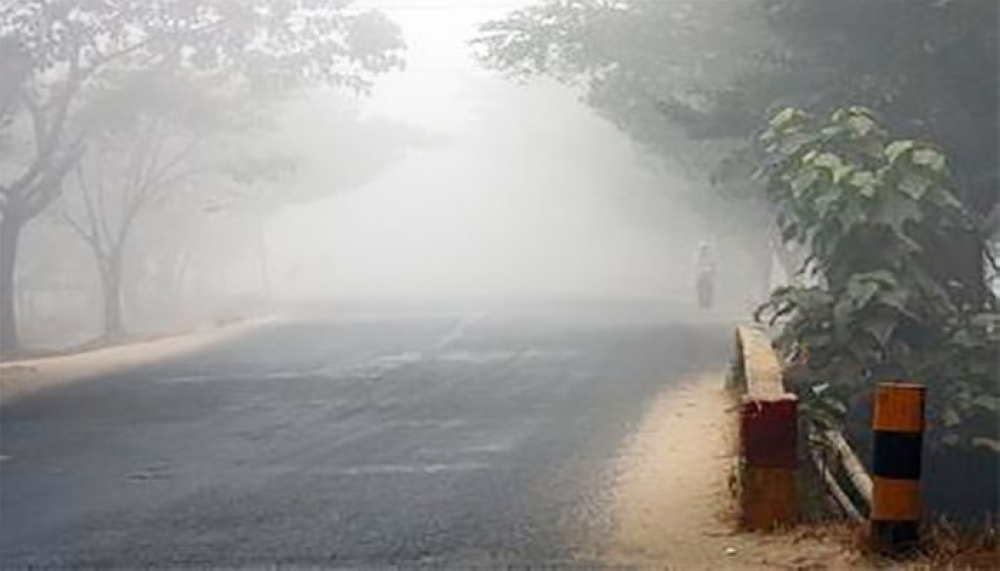
The National Center for Meteorology issued its daily weather report for Saudi Arabia, forecasting the continuation of the severe cold wave affecting large parts of the country. According to the report, cold to very cold weather prevails in the Tabuk, Al-Jawf, Hail, and Northern Borders regions. The center warned of the possibility of frost formation during the early morning hours in parts of these areas, which could affect crops and roads.
Climate context: Peak winter in Saudi Arabia
This cold wave comes as part of the Arabian Peninsula's winter season, known locally for its periods of extreme cold such as "Al-Murabba'aniyah" and "Al-Shabṭ." These periods are characterized by a sharp drop in temperatures, especially in the northern and desert regions of the Kingdom, where temperatures can fall below freezing. These climatic phenomena are a natural part of the region's annual weather cycle, but their intensity varies from year to year, necessitating continuous monitoring of warnings issued by the relevant authorities.
Active winds and dust storms in the central and eastern regions
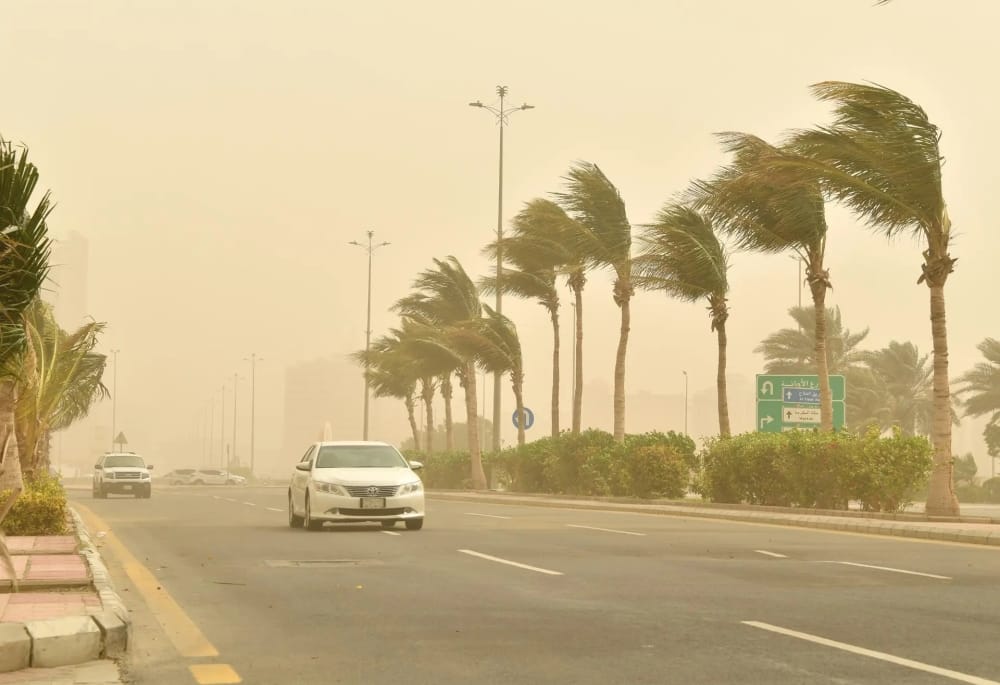
While the northern regions freeze, other areas are experiencing varying weather conditions. The report anticipates a continued significant drop in temperatures across Qassim, Riyadh, and the Eastern Province, accompanied by active winds that may stir up dust and sand. This wind activity extends to Najran and the eastern parts of the southwestern highlands, as well as parts of the Makkah and Madinah regions. The center has issued a special warning for the Riyadh region regarding blowing dust starting in the early morning hours and continuing until the evening, affecting the capital and surrounding governorates such as Al-Kharj, Al-Dawadmi, and Al-Quway'iyah, which will lead to near-zero horizontal visibility.
Expected effects and the importance of warnings
These weather fluctuations have direct impacts on several sectors. In agriculture, frost poses a threat to farmers in the north, requiring them to take measures to protect their crops. From a health perspective, those with respiratory illnesses and allergies in dusty areas are advised to avoid going out unless absolutely necessary. Regarding road safety, reduced visibility necessitates that drivers exercise extreme caution on highways. Furthermore, wind activity and high waves in the Arabian Gulf and the Red Sea directly affect maritime navigation and fishing activities.
The state of the Red Sea and the Arabian Gulf
Regarding maritime traffic, the report indicated that surface winds over the Red Sea will be northwesterly to northeasterly, with wave heights potentially reaching two meters towards the Gulf of Aqaba. In the Arabian Gulf, winds will be brisk northwesterly, with wave heights ranging from 1.5 to 2.5 meters, and possibly exceeding this in the central and southern parts, resulting in moderate to rough sea conditions and requiring caution from those navigating the waters.