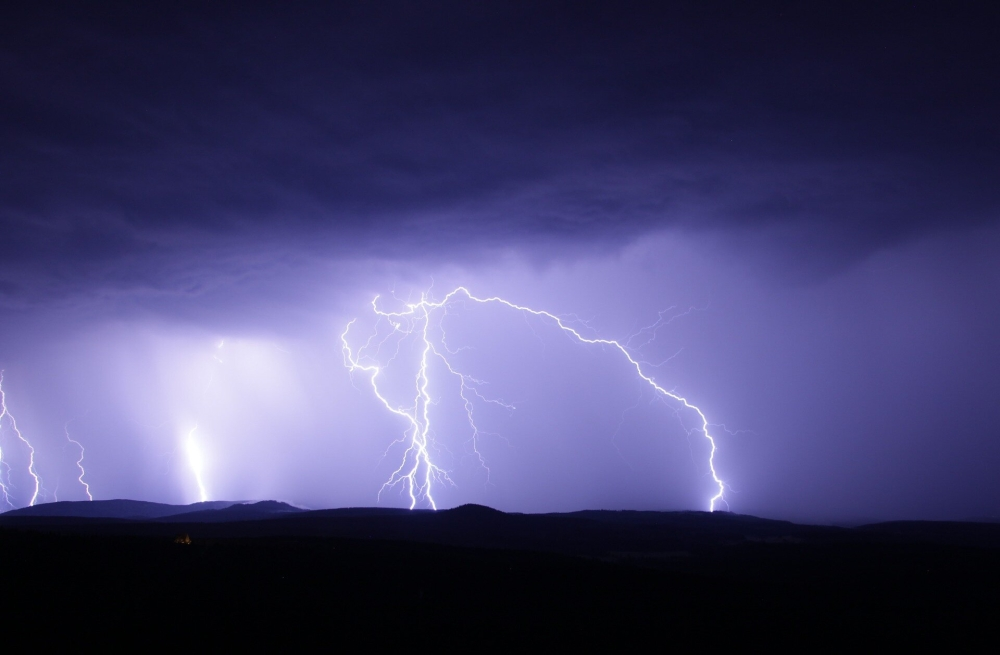
Weather forecast for the Kingdom: Widespread weather fluctuations
The National Center for Meteorology in Saudi Arabia issued its detailed daily weather report for Wednesday, indicating continued atmospheric instability across large parts of the country. According to the report, there is a chance of thunderstorms of varying intensity, potentially accompanied by hail and strong winds, leading to reduced horizontal visibility. The affected areas include parts of Jazan, Asir, Al-Baha, and Makkah regions, as well as parts of Riyadh, Qassim, and the Eastern Province. The center also warned of the possibility of fog formation during the night and early morning hours in some of these areas, emphasizing the importance of exercising caution while driving.
The climatic context of the current weather fluctuations
These weather conditions are part of the typical spring weather pattern in the Arabian Peninsula, a transitional period characterized by the interaction of different air masses, leading to atmospheric instability. Locally known as the "Sarayat" season, this period is marked by the rapid and sudden formation of cumulonimbus clouds, particularly during the afternoon. The Kingdom's diverse topography, ranging from the towering southwestern highlands to the vast desert plains, plays a significant role in determining the intensity and distribution of these weather phenomena. The National Center of Meteorology monitors these developments around the clock using the latest technologies to provide accurate and timely warnings.
Expected effects and the importance of following warnings
These weather fluctuations have a direct impact on various aspects of daily life and public safety. Active winds stirring up dust and sand, which continue to affect the regions of Medina, Tabuk, Al-Jawf, Hail, and the Northern Borders, may affect those with respiratory conditions and reduce visibility on highways. Heavy rain accompanied by hail poses a risk to property and crops and may lead to flash floods in valleys and ravines, necessitating complete avoidance of these areas. Relevant authorities, such as the Civil Defense, emphasize the importance of following warnings issued by the Meteorology Department and adhering to safety instructions to ensure the protection of lives and property.
Maritime navigation conditions in the Red Sea and the Arabian Gulf
Red Sea
The report indicated that surface winds over the Red Sea will be westerly to northwesterly in the northern and central parts, with speeds ranging from 15 to 45 km/h. Meanwhile, winds will be southeasterly to easterly in the southern part, reaching speeds of up to 38 km/h, and potentially increasing to 50 km/h towards the strategic Bab el-Mandeb Strait. Consequently, wave heights will range from half a meter to one and a half meters, potentially reaching two and a half meters in the vicinity of the strait, resulting in a slight to moderate sea state, becoming rough in the south.
Arabian Gulf
In the Arabian Gulf, surface winds will be southeasterly to southerly at speeds ranging from 15 to 40 km/h, with the possibility of reaching 50 km/h with the formation of rain-bearing thunderstorms over the northern part. As a result, wave heights are expected to range from half a meter to one and a half meters, and may exceed two meters with the thunderstorms in the north, with sea conditions remaining slight to moderate and occasionally rough.