Weather forecast for the Kingdom: Rain and active winds
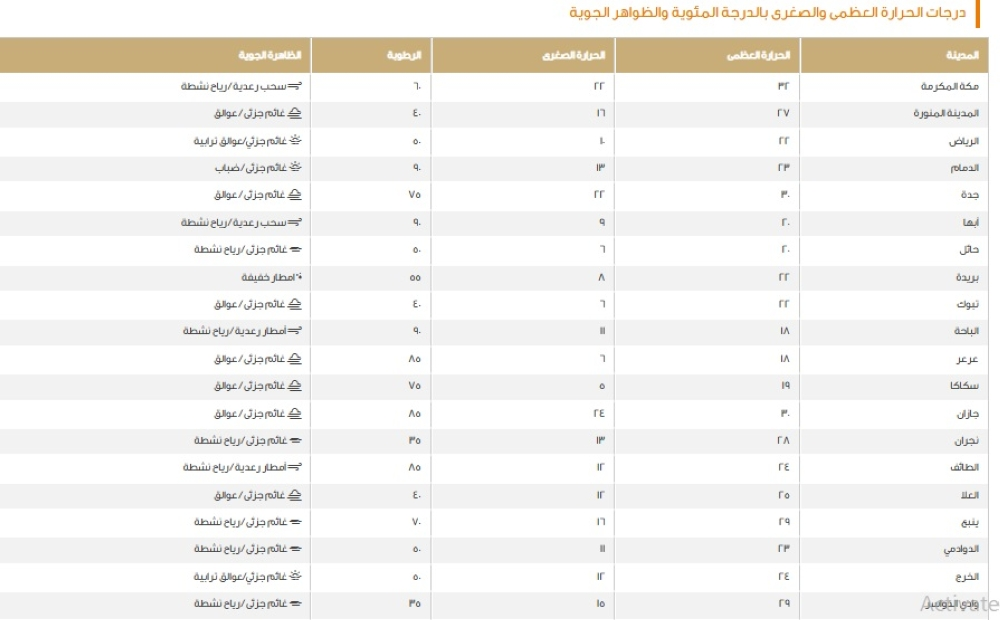
The National Center for Meteorology in Saudi Arabia issued its daily weather report, forecasting continued weather fluctuations across large parts of the country. The forecast indicates a continued chance of thunderstorms, which may be moderate to heavy at times, in the regions of Jazan, Asir, Al-Baha, and Makkah. The effects of these thunderstorms also extend to the southern parts of the Madinah region, necessitating caution.
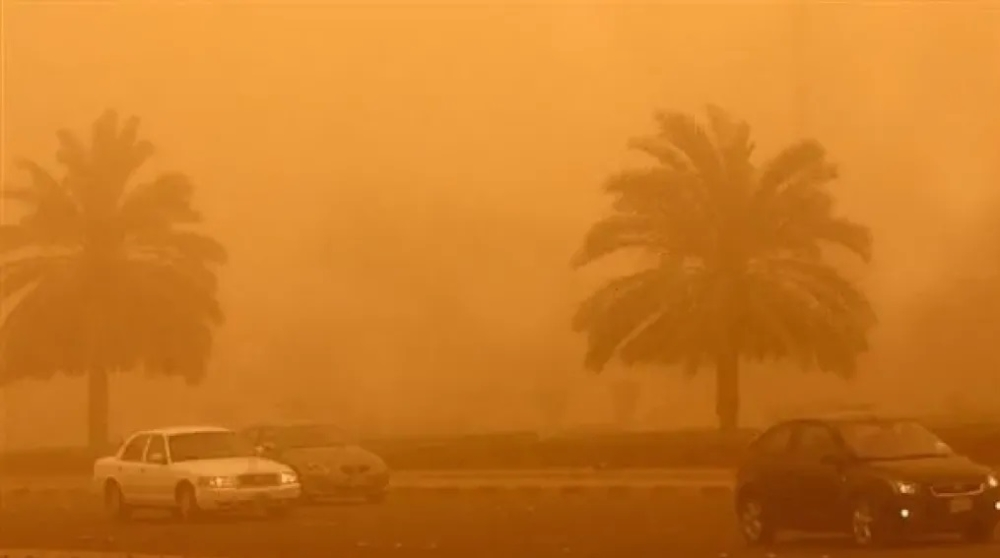
Simultaneously, the center warned of active surface winds stirring up dust and sand, which would reduce horizontal visibility. These winds would affect the eastern parts of the southwestern highlands, as well as the regions of Najran, Riyadh, Qassim, Hail, and Al-Jawf, extending to the western parts of the Northern Borders region. The report also did not rule out the possibility of scattered light rain in parts of central Saudi Arabia.
The climatic context of weather fluctuations in Saudi Arabia
These weather phenomena are part of the typical climatic pattern of Saudi Arabia, especially during seasonal transitions. The Kingdom is influenced by multiple weather systems. The mountainous terrain in the southwest, such as the Sarawat Mountains, contributes to lifting and condensing humid air, leading to the formation of thunderstorms and frequent rainfall in regions like Asir and Al-Baha. Dust-raising winds are a prominent climatic feature of the Arabian Peninsula, typically occurring when low-pressure systems pass through or when there are significant pressure differences, causing dust to be stirred up from the vast desert regions.
Expected effects and the importance of following warnings
These weather fluctuations have direct impacts on various aspects of daily life and public safety. Heavy rains can lead to flash floods in valleys and ravines, posing a danger to hikers and road users in those areas. Meanwhile, strong winds and dust storms significantly affect those with respiratory conditions and asthma, and reduce horizontal visibility, increasing the risk of traffic accidents and requiring cautious driving. Air and sea traffic may also be affected by these conditions. Relevant authorities, such as the General Directorate of Civil Defense, issue proactive warnings and directives to citizens and residents, urging them to stay away from valleys and exercise caution while driving.
Sea conditions and navigation
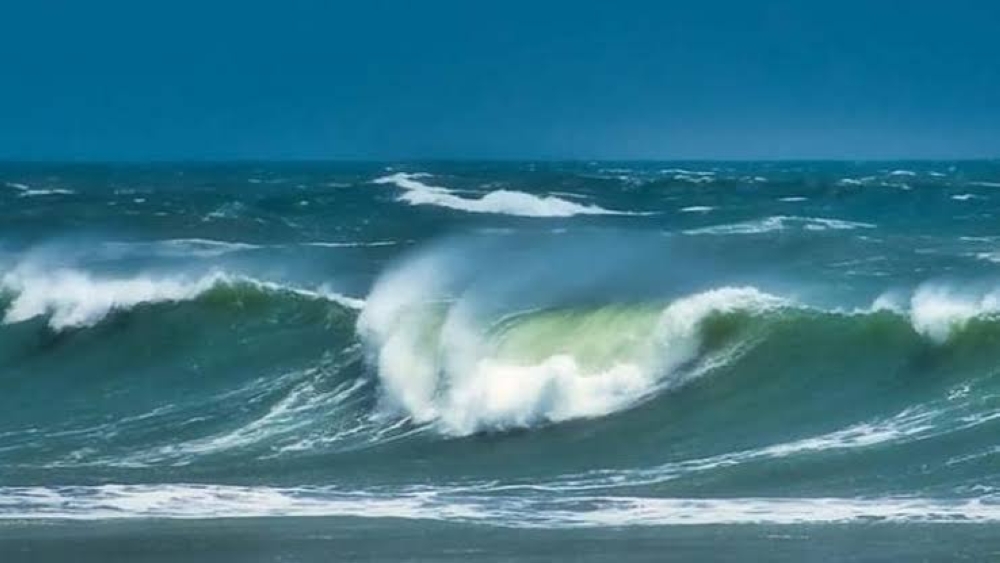
- Red Sea: Surface winds are northwesterly to northerly in the northern and central parts, and southeasterly to southwesterly in the southern part, with speeds ranging from 15 to 30 km/h. Wave heights range from half a meter to one and a half meters, resulting in slight to moderate sea conditions.
- Arabian Gulf: Surface winds are northwesterly to northerly at speeds ranging from 20-40 km/h. Wave heights reach 1-2 meters, with a slight to moderate sea state.
Special alert for the Eastern Province
The center issued an advanced warning for the Eastern Province, indicating active winds and blowing dust starting at 9:00 AM and continuing until 7:00 PM. The warning includes the cities of Jubail, Khobar, Dammam, Dhahran, Qatif, and Ras Tanura, with wind speeds potentially reaching 49 km/h and reduced visibility. Al-Ahsa, Al-Udayd, and Abqaiq are also experiencing blowing dust, reducing horizontal visibility to between 3 and 5 kilometers.