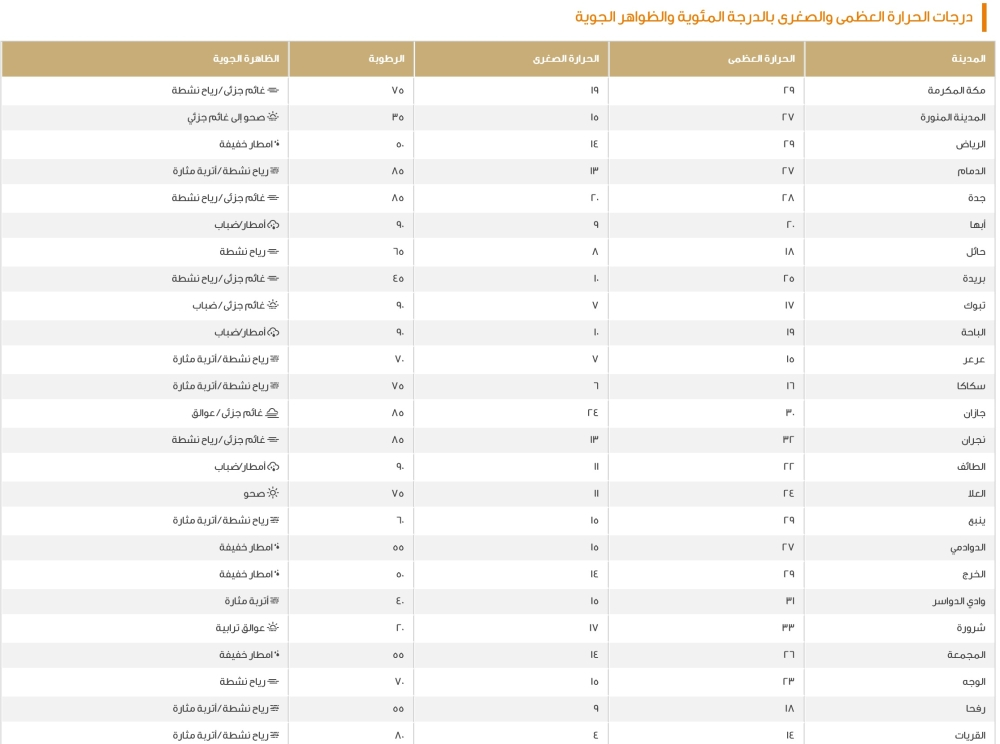
The National Center for Meteorology in Saudi Arabia issued its daily report on the expected weather conditions for Friday, indicating weather fluctuations including a drop in temperatures and active winds that may stir up dust and sand, thus limiting horizontal visibility in a number of regions.
According to the center's forecast, the northern regions of the Kingdom, specifically Tabuk, Al-Jawf, and the Northern Borders, will experience a noticeable drop in temperatures, coinciding with strong surface winds that may reach speeds significantly reducing visibility. The effects of these active winds, which will stir up dust and sand, will extend to parts of the Riyadh, Qassim, and Eastern Province regions.
The climatic context of weather fluctuations
These weather phenomena fall within the climatic framework of the Kingdom of Saudi Arabia, which is characterized by a predominantly arid desert climate. The transitional periods between seasons, particularly between winter and spring, are marked by numerous sharp weather fluctuations, as different air masses—cold from the north and warm from the south—collide, leading to increased wind activity and the formation of dust storms. The National Center of Meteorology plays a vital role in monitoring these changes and issuing necessary warnings to protect lives and property.
Expected effects and the importance of warnings
These weather conditions have direct impacts on various aspects of daily life. From a health perspective, asthma and respiratory patients are advised to exercise extreme caution and avoid going out unless absolutely necessary, due to the high concentration of dust in the air. Regarding road safety, reduced horizontal visibility poses a risk on highways, requiring drivers to reduce their speed and adhere to safety instructions. Air traffic at airports located within these areas may also be affected. Regionally, dust clouds may cross borders and affect neighboring countries, a common occurrence in the region.
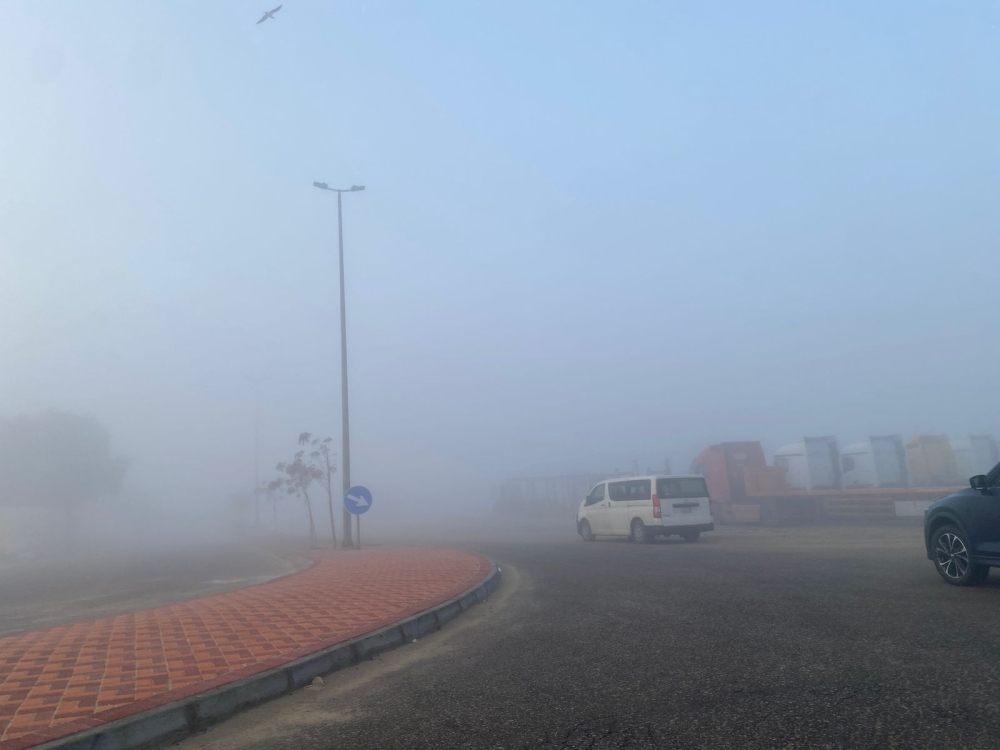
In a related development, there remains a chance of light rain in parts of the Riyadh, Qassim, and Eastern regions, as well as the highlands of the Makkah, Al-Baha, Asir, and Jazan regions. Fog formation is also possible during the night and early morning hours in parts of these highlands.
Red Sea situation
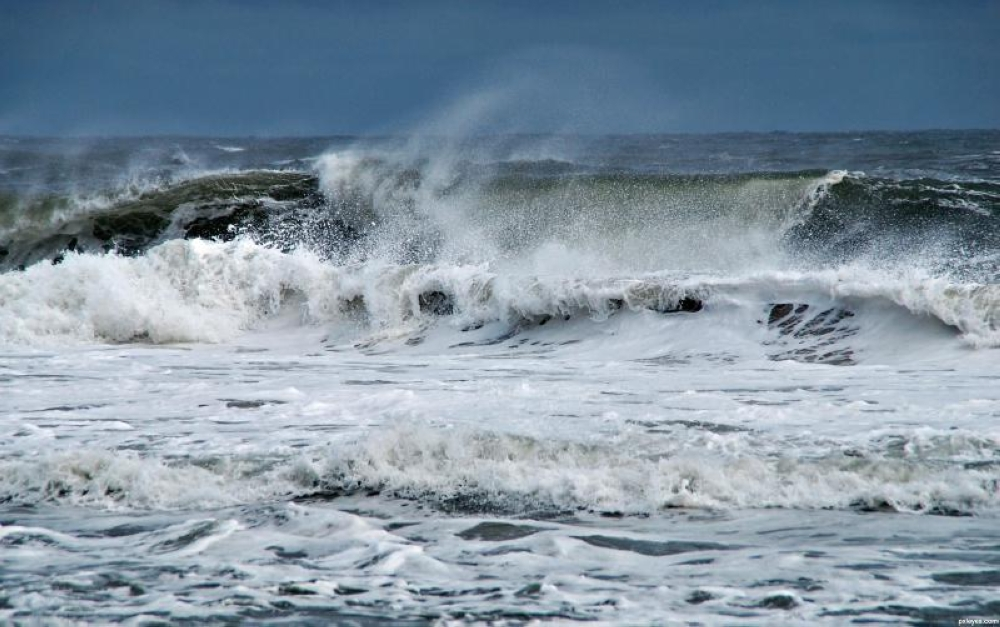
Surface winds will be northwesterly to northerly at speeds of 25 to 55 km/h in the northern and central parts, while in the southern part they will be northwesterly, shifting to southeasterly in the evening at speeds of 12-32 km/h. Wave heights will range from 1.5 to 2.5 meters in the northern and central parts, and from 0.5 to 1.5 meters in the southern part, resulting in a moderate to rough sea state in the north and central regions, and a slight to moderate sea state in the south.
Arabian Gulf situation
In the Arabian Gulf, surface winds will be westerly to southwesterly, shifting to southeasterly and then easterly in the evening, with speeds of 10-25 km/h in the northern part, and northwesterly to southwesterly at 10-32 km/h in the central and southern parts. Wave heights will range from half a meter to one meter in the northern part, and from half a meter to one and a half meters in the central and southern parts, resulting in slight sea conditions in the north and slight to moderate sea conditions in the central and southern regions.