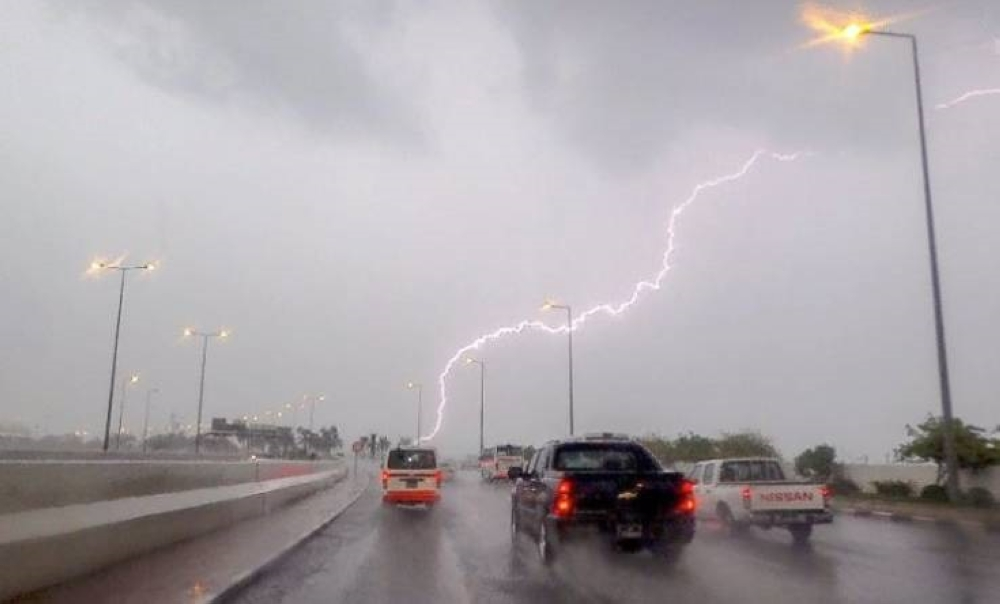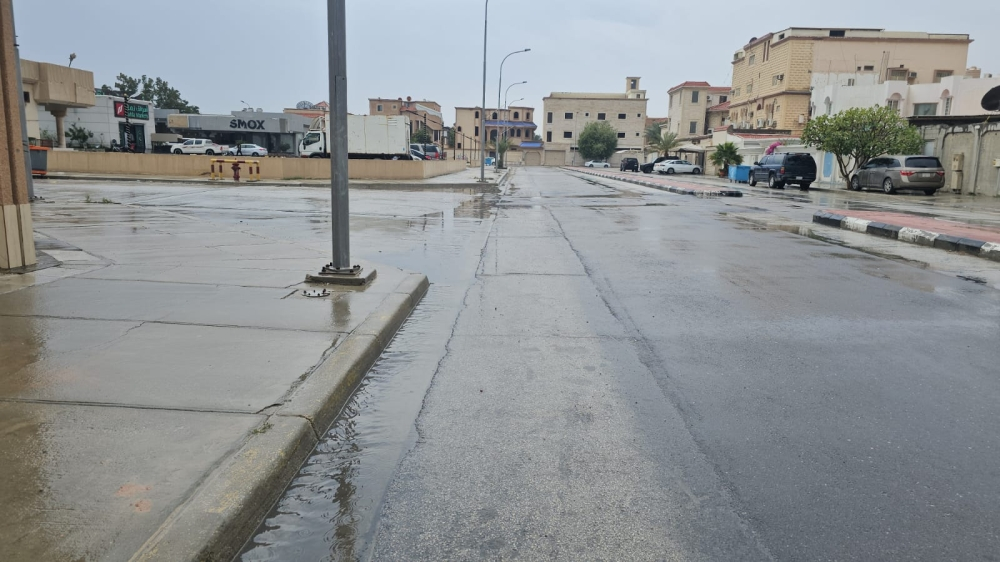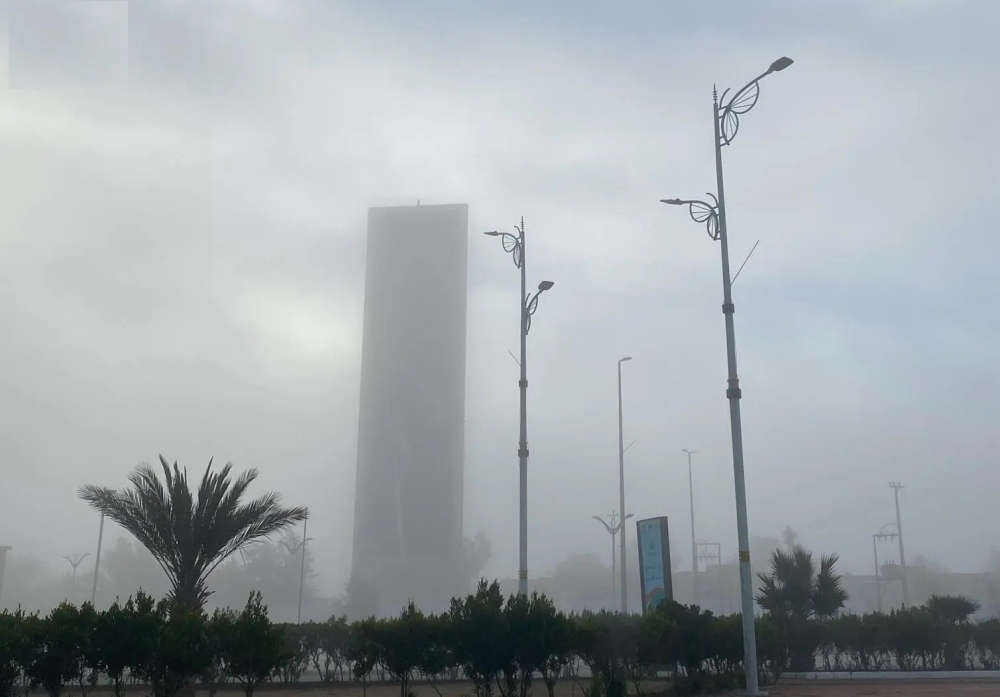
The National Center for Meteorology in Saudi Arabia issued its daily weather for Saturday, revealing widespread weather fluctuations affecting large parts of the Kingdom. According to the official statement, weather maps indicate the dominance of a cold air mass, leading to a noticeable drop in temperatures, accompanied by various weather phenomena including frost, fog, and active winds that will stir up dust and sand. This necessitates taking precautions in 11 administrative regions.
Weather details in the northern and central regions
The center explained that the northern regions of the Kingdom will be most affected by the cold wave, with temperatures expected to drop sharply, creating the potential for frost during the early morning hours, particularly in parts of the Tabuk highlands, as well as the Al-Jawf and Northern Borders regions. This cold weather will coincide with active surface winds, which may increase the feeling of cold.
In a related development, the effects of the strong winds extend to other areas, with the meteorological department warning of dust-laden winds that will reduce horizontal visibility in parts of Medina, Hail, Qassim, and even the capital, Riyadh. These phenomena are typical for this time of year, as the Kingdom experiences transitional weather patterns characterized by active surface winds.
Fog and humidity: characteristic of coastal and highland areas
On the other hand, humidity levels remain high, increasing the likelihood of dense fog formation that could impair horizontal visibility. The report indicated that this condition is concentrated in parts of the Eastern Province, as well as the southwestern highlands, including the Jazan and Asir regions. Fog is a weather phenomenon that requires extreme caution from drivers on highways and open roads during the night and early morning hours.
Climate context and the importance of warnings
These weather fluctuations are part of the natural winter climate in Saudi Arabia, as the country is affected by the passage of low-pressure systems and polar air masses from the north. These forecasts are of particular importance due to their direct impact on daily life, whether regarding traffic on highways connecting different regions, which are affected by dust and fog, or the agricultural sector in the north, which may be impacted by frost. The relevant authorities urge citizens and residents to follow official weather bulletins and adhere to safety instructions while driving in dusty or foggy conditions.
State of the Red Sea and the Arabian Gulf
Regarding the maritime situation, the report provided the following details:
- The Red Sea: Northwesterly to northerly surface winds are prevailing in the northern and central parts, reaching speeds of up to 45 km/h, while southeasterly to easterly winds prevail in the south. Wave heights reach up to 2.5 meters in some areas, creating rough sea conditions, particularly towards the Gulf of Aqaba and the Bab el-Mandeb Strait.
- Arabian Gulf: Winds will be northerly to northwesterly at speeds of up to 40 km/h, with wave heights ranging between one and two meters, and the sea state will be generally moderately rough.