أصدر المركز الوطني للأرصاد في المملكة العربية السعودية تقريره المناخي لشهر فبراير، والذي يرسم صورة لظروف جوية استثنائية متوقعة خلال الشهر. تشير التوقعات، بمشيئة الله تعالى، إلى هطول أمطار بكميات تفوق المعدلات الطبيعية المعتادة لهذا الوقت من العام على مناطق واسعة من المملكة، بالتزامن مع ارتفاع ملحوظ في متوسط درجات الحرارة السطحية، مما ينبئ بشهر متقلب يتطلب متابعة مستمرة.
تفاصيل التوقعات المناخية لشهر فبراير
وفقاً للنماذج العددية للمركز، من المتوقع أن تشهد أجزاء من مناطق المدينة المنورة، القصيم، حائل، الحدود الشمالية، والجوف أمطاراً تتجاوز المعدل، مع احتمالية أن تكون متوسطة إلى غزيرة في بعض الأحيان. كما تمتد هذه الفرص لتشمل أجزاء من شمال منطقة الرياض والمنطقة الشرقية. وفيما يخص درجات الحرارة، يتوقع التقرير أن ترتفع على كافة مناطق المملكة، وقد يصل مقدار الارتفاع إلى 1.4 درجة مئوية فوق المعدل في أجزاء من جنوب وجنوب غرب المنطقة الشرقية، وجنوب شرق الرياض، وشرق ووسط منطقة جازان، مع فرصة حدوث تصل إلى 70%.
السياق المناخي وأهمية التوقعات
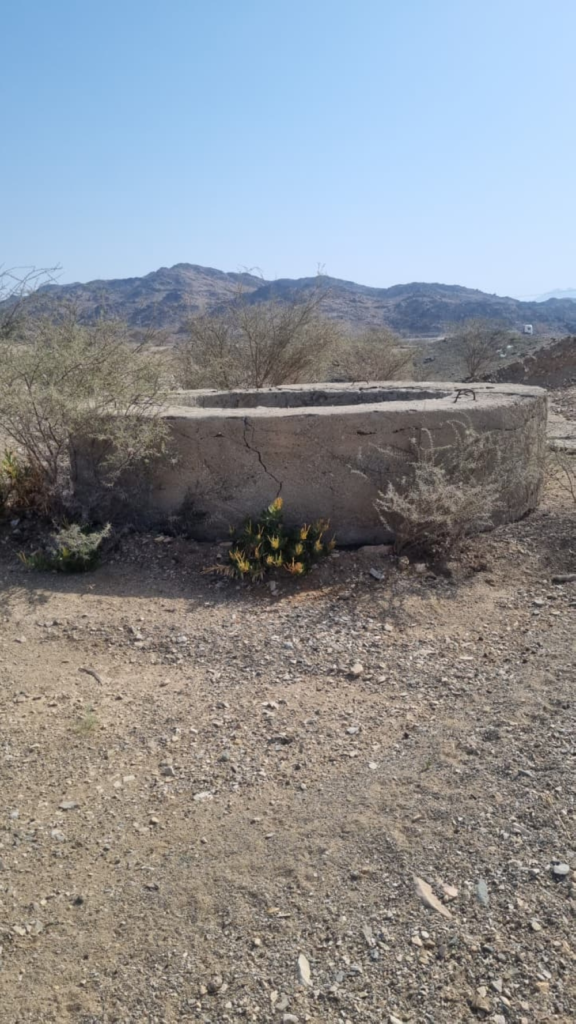
يأتي شهر فبراير عادةً كفترة انتقالية في معظم مناطق المملكة، حيث تبدأ درجات الحرارة بالاعتدال تدريجياً معلنةً نهاية فصل الشتاء وبداية موسم الربيع. إلا أن التوقعات الحالية تشير إلى نمط مناخي غير معتاد، يعكس التأثيرات المتزايدة للتغيرات المناخية العالمية التي أصبحت تؤثر على الأنماط الجوية في شبه الجزيرة العربية. تاريخياً، كانت الأمطار في هذه الفترة تسهم في دعم المخزون المائي وتغذية الآبار الجوفية، ولكن زيادة غزارتها عن المعدل ترفع أيضاً من احتمالية تشكل السيول في الأودية والمناطق المنخفضة.
التأثيرات المتوقعة على مختلف القطاعات
لهذه التوقعات الجوية تأثيرات مباشرة على قطاعات حيوية متعددة. فمن الناحية الزراعية، تعد الأمطار بشرى خير للمزارعين، حيث تساهم في ري المحاصيل الشتوية ودعم المراعي الطبيعية. وعلى صعيد الموارد المائية، تساعد هذه الأمطار في تعزيز مخزون السدود الاستراتيجي. ومع ذلك، يفرض ارتفاع درجات الحرارة تحديات تتعلق بزيادة استهلاك الطاقة لأغراض التبريد. كما تستدعي توقعات الأمطار الغزيرة رفع حالة التأهب لدى الجهات المعنية بالدفاع المدني وإدارة الطرق لضمان سلامة المواطنين والمقيمين والتعامل مع أي حالات طارئة قد تنجم عن السيول أو تجمع المياه.
وفي ختام تقريره، شدد المركز الوطني للأرصاد على ضرورة متابعة التحديثات والتقارير الجوية اليومية، والالتزام بالتعليمات والتنبيهات التي تصدرها الجهات الرسمية لضمان السلامة العامة خلال هذه الفترة الجوية المتقلبة.