Weather forecast for the Kingdom for Tuesday
The National Center for Meteorology in Saudi Arabia issued its daily weather forecast for Tuesday, indicating continued weather fluctuations across various regions of the country. The report explained that active surface winds will remain the dominant feature, expected to stir up dust and sand, leading to reduced horizontal visibility in parts of Najran, Riyadh, Qassim, Hail, and the Northern Borders regions. The center urged citizens and residents in these areas, especially those with respiratory conditions, to take precautions.
Chance of rain and fog in the southwestern highlands
Conversely, the report indicated a chance of light rain in scattered areas of Jazan, Asir, and Al-Baha regions, as well as the highlands of the Makkah region. This rain may contribute to a slight improvement in the weather in those areas. The center also warned of the possibility of fog forming during the night and early morning hours in parts of these highlands, as well as along the coastal areas of the Eastern Province, which may affect traffic and require extra caution from drivers.
The climatic context of these weather fluctuations
These weather phenomena are part of the climatic context of Saudi Arabia, which is characterized by its vast deserts and arid climate in most regions. Dust storms and dust-laden winds are frequent occurrences, especially during seasonal transitions, when low-pressure systems become active, causing strong air currents that carry sand and dust from the open desert areas. These phenomena directly affect air quality and daily life, and pose a challenge to the transportation, aviation, and agricultural sectors.
Expected effects and the importance of following warnings
The importance of monitoring weather reports lies in enabling relevant authorities and citizens to prepare in advance for potential impacts. Locally, dust-laden winds may lead to the temporary closure of some highways or delays in flight schedules. For health reasons, wearing masks and keeping windows tightly closed is advised. While light rain in the highlands is beneficial for replenishing water resources, it may cause landslides on mountain roads. Public adherence to the instructions of the Civil Defense and the National Center of Meteorology significantly contributes to mitigating potential risks and maintaining public safety.
Sea conditions and navigation
Red Sea
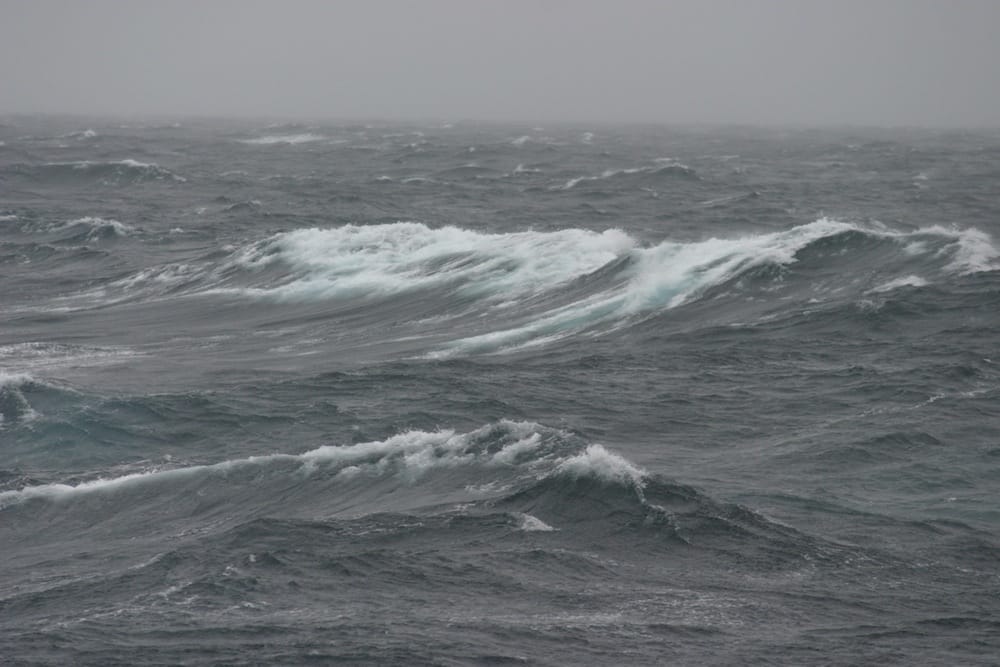
Surface winds will be northwesterly to northeasterly over the northern and central parts at speeds of 10 to 30 km/h, while over the southern part they will be southeasterly to easterly at speeds of 12 to 38 km/h, potentially reaching 50 km/h towards the Bab el-Mandeb Strait. Wave heights will range from half a meter to one and a half meters, reaching two and a half meters towards the strait, resulting in a slight to moderate sea state, becoming rough in the south.
Arabian Gulf
In the Arabian Gulf, surface winds will initially be northwesterly to northerly, shifting to northeasterly and southeasterly in the afternoon, with speeds ranging from 10 to 32 km/h. Wave height will be between half a meter and one and a half meters, with a slight to moderate sea state, generally making conditions suitable for small-scale marine activities.