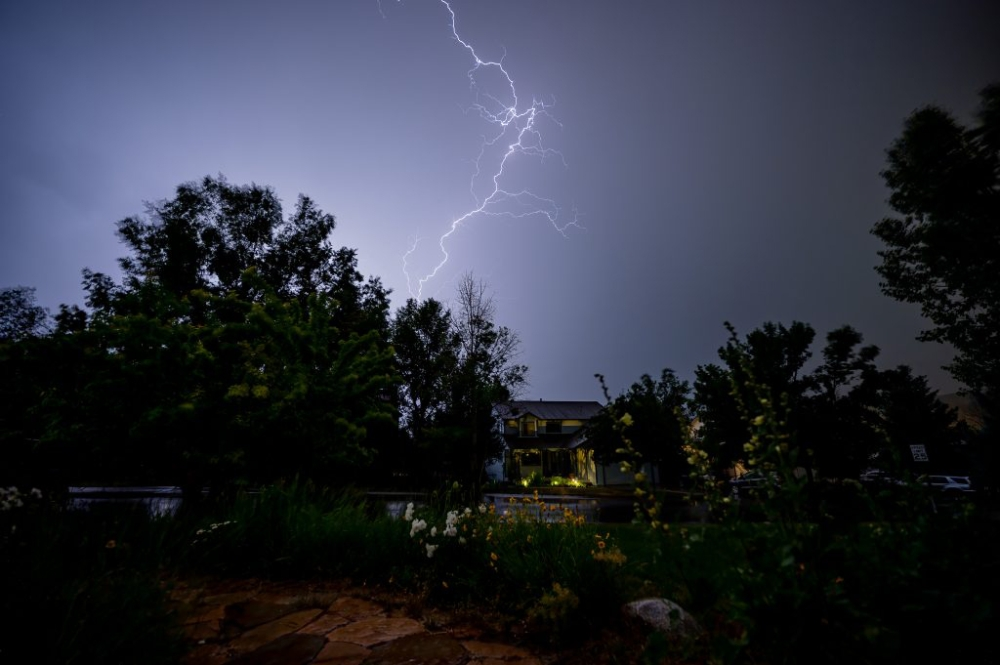
The National Center for Meteorology issued its daily weather report for Saudi Arabia , indicating that large areas of the Kingdom are experiencing severe weather fluctuations characterized by strong surface winds and reduced horizontal visibility. This weather pattern is typical for this time of year, as the Kingdom experiences changes in air masses that directly affect wind patterns and atmospheric stability.
Weather details and affected areas
According to today's weather report, strong winds are expected, potentially developing into dust storms that will cause near-zero horizontal visibility. This weather pattern is particularly concentrated in parts of the Tabuk, Al-Jawf, and Northern Borders regions. In addition to dust, there is a chance of light rain in some areas of these regions, urging caution while driving on highways.
The impact of active winds stirring up dust and sand will extend to large parts of the Makkah, Madinah, Hail, Qassim, and Riyadh regions, reaching as far as the Eastern Province. In a related development, there is a chance of thunderstorms and rain over the northern parts of the Eastern Province, as well as the western and southwestern highlands of the Kingdom, with the possibility of fog forming during the night and early morning hours.
Geographical context and the influence of topography
Due to its geographical location and desert nature, Saudi Arabia is prone to such dust storms, especially during seasonal transitions. The vast, open spaces in the northern, central, and eastern regions contribute to strong winds that carry dust over long distances. These weather phenomena play a significant role in the ecosystem, despite their temporary impact on daily life, as the winds transport pollen and alter surface temperatures.
Special alerts for the Eastern Province
The National Center for Meteorology issued an advanced warning for the Eastern Province regarding blowing dust and reduced visibility. The affected areas include the governorates of Hafr Al-Batin, Al-Khafji, Al-Nairiyah, and Qaryat Al-Ulya. The phenomenon is expected to begin in the early morning hours and continue until the evening, with visibility forecast to drop to between 3 and 5 kilometers. Experts recommend that, in such weather conditions, drivers follow traffic safety guidelines, and those with respiratory illnesses and asthma avoid going out unless absolutely necessary to prevent health complications.
State of the Red Sea and the Arabian Gulf
Regarding maritime conditions, the Red Sea is experiencing northwesterly to northerly surface winds in its northern and central parts, and southeasterly winds in its southern part, with wave heights potentially exceeding 2.5 meters towards the Gulf of Aqaba, resulting in rough sea conditions in those areas. In the Arabian Gulf, southwesterly winds are active, reaching speeds of up to 50 km/h, accompanied by thunderstorms and rain, leading to high waves and rough sea conditions that require caution from fishermen and other seafarers.