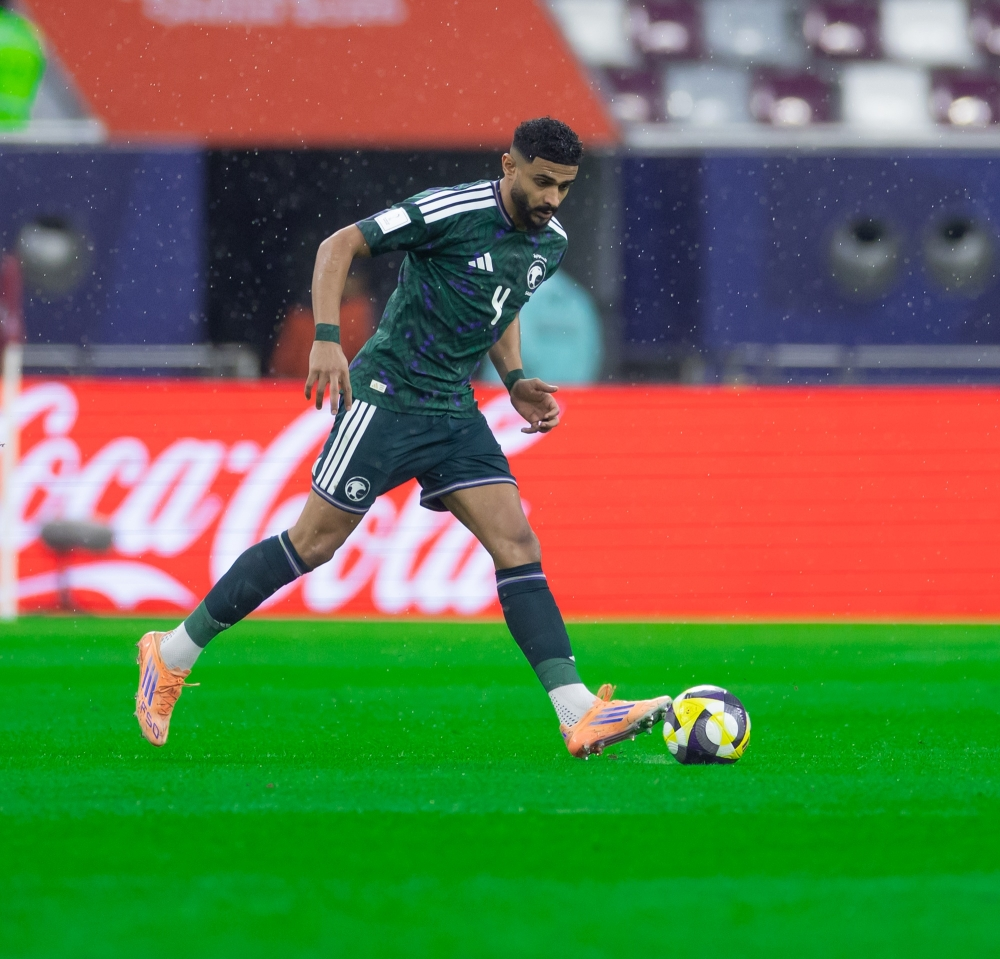
A Gulf derby with a special flavor: Saudi Arabia and the UAE clash for the Arab Cup bronze medal
The eyes of Gulf and Arab football fans are turning towards Doha Stadium, where one of the most exciting and competitive matches in the region will be renewed, when the Saudi national football team meets its Emirati counterpart in the third-place match of the 2025 Arab Cup. Although the match comes after the disappointment of both teams being eliminated in the semi-finals, it carries great importance that goes beyond just winning a bronze medal, as it represents a new chapter in the long history of rivalry between the "Green" and the "White".
Historical background: Clear Saudi dominance
When it comes to numbers and statistics, the Saudi national team clearly holds the advantage. The Green Falcons boast a rich history of dominance in their head-to-head encounters with the UAE. Over the decades, the two teams have met 37 times, in both official tournaments and friendly matches. Saudi Arabia has secured 21 victories, cementing its dominance in this Gulf derby. In contrast, the UAE has only managed 8 wins, with 8 matches ending in a draw. This significant difference in victories doesn't reflect a fleeting advantage, but rather a historical pattern of Saudi superiority that has been solidified across generations of players.
The superiority extends to the offensive side
Saudi Arabia's dominance isn't limited to the number of victories; it extends to attacking efficiency. The Green Falcons have netted 51 goals against the UAE, averaging nearly 1.4 goals per game. This figure reflects the historically formidable attacking prowess of the Saudi national team and their ability to dictate the tempo in most matches. Conversely, the UAE has scored 26 goals against Saudi Arabia, a significant goal difference that underscores the difficulties the Emirati team has faced in penetrating the well-organized Saudi defense over the years.
The importance of the confrontation and its expected impact
This match is significant for several reasons. Domestically, both teams are aiming to finish the tournament on a high note and deliver a performance that satisfies their fans and restores confidence after their semi-final losses. Winning third place would be a crucial morale booster before returning to upcoming competitions. Regionally, the match carries a special competitive edge as it is a "Gulf derby." Victory in such matches grants the winner a significant psychological advantage and media dominance in the Gulf region, directly impacting their continental and Asian rankings. Internationally, the tournament serves as an important platform to showcase the development of football in the region, and winning a match like this enhances the winning team's reputation on the international stage.
Differing ambitions before the opening whistle
The Saudi national team enters the match with one primary objective: to reaffirm its historical dominance and maintain its positive record against the UAE, securing a victory to conclude its tournament campaign on a high note. The UAE team, on the other hand, sees this match as an ideal opportunity to break the Saudi dominance complex and achieve a significant morale-boosting win that will give them a strong boost for the future. Therefore, a highly competitive and intense match is expected, with each side striving to impose its style and achieve a victory to add to their already thrilling history of encounters.